
Adhesive for Windshield Trim: 5 Sealants Compared

For trim made of rubber or plastic, Automotive Body Adhesive Sealant, 100 mL is the closest match because its silicone formula is described for bonding metal, plastic, and rubber; the other options are urethane products intended mainly for glass bonding.
Choose a glass-bonding urethane only when replacing or securing auto glass, not as a general trim adhesive. Confirm material compatibility and surface preparation before applying any adhesive.
We earn a commission if you buy through links on this page. As an Amazon Associate I earn from qualifying purchases. Products are compared on manufacturer specifications, not hands-on testing.
- Best overall: Automotive Body Adhesive Sealant, 100 mL – Clear silicone formula is described for metal, plastic, and rubber.
- Best for glass: Urethane Windshield Adhesive, 310 mL – 310 mL polyurethane cartridge is designed for vertical and overhead glass bonding.
- Best for small repairs: Polyurethane Windshield Adhesive, 50 mL – 50 mL polyurethane package provides a smaller quantity for glass bonding.
| Product | Best for | Adhesive type | Package size | Color | Shop |
|---|---|---|---|---|---|
| Automotive Body Adhesive Sealant, 100 mL | Rubber trim sealing | Silicone | 100 mL | Clear | Check Price on Amazon |
| Urethane Windshield Adhesive, 310 mL | Glass bonding | Polyurethane | 310 mL | Black | Check Price on Amazon |
| Berkland Polyurethane Windshield Adhesive | Auto glass installs | Polyurethane | — | Black | Check Price on Amazon |
| Polyurethane Windshield Adhesive, 50 mL | Small glass jobs | Polyurethane | 50 mL | Black | Check Price on Amazon |
| Urethane Windshield Adhesive, 10.5 oz | Multi-panel glass | Urethane | 10.5 oz | Black | Check Price on Amazon |
Adhesives for Windshield Trim
Match the adhesive to the material: rubber and plastic trim calls for a trim-compatible formula, while urethane products here focus on glass bonding.
Automotive Body Adhesive Sealant, 100 mL

Unlike the urethane glass-bonding options, this clear silicone sealant is described for metal, plastic, and rubber, making it the closest fit for windshield trim made from those materials. The 100 mL tube is also a more targeted choice than the larger glass-installation packages. Its uses include weatherstrip and door rubber as well as plastic trim, and the product is described as flexible and vibration resistant. The limitation is that its windshield-glass bonding performance is not the focus; choose a glass-installation urethane when the job is securing the windshield itself.
Bottom line: Pick this for rubber or plastic trim that needs a flexible exterior seal.
Urethane Windshield Adhesive, 310 mL
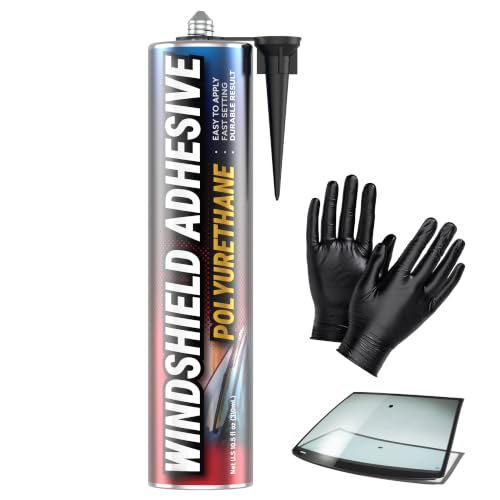
This 310 mL cartridge is the largest specified package among the options and is intended for windshield glass bonding rather than trim-to-body attachment. The non-sag formula is promoted for vertical and overhead application, and the package includes gloves and an applicator tip. Its black color may suit a dark glass-bonding bead, but it is a poor match for exposed trim that needs a clear finish or a rubber-and-plastic adhesive. The product also says no primer is needed; confirm the vehicle and glass installation requirements before relying on that claim.
Bottom line: Choose this for a larger windshield glass-bonding job, not general trim attachment.
Berkland Polyurethane Windshield Adhesive

This polyurethane is positioned for permanent vehicle and RV glass installation, including windshields, rear windows, and side glass, rather than bonding exterior trim. The maker describes a flexible cured seal that resists shrinking or cracking, and says the adhesive reaches handling strength in hours. Its black finish is suitable to consider where a dark glass-bonding bead is needed.
Bottom line: Pick this for vehicle or RV glass installation when trim bonding is not the task.
Polyurethane Windshield Adhesive, 50 mL

The 50 mL size distinguishes this option from the larger windshield adhesive packages, but its purpose remains glass bonding rather than attaching trim to the vehicle body. It is described as non-drip and suitable for vertical or overhead application, with temperature resistance from −58°F to 356°F based on the Celsius range. A small package may suit a limited adhesive task, but the maker does not identify it as a rubber or plastic trim adhesive. Check that the glass surfaces and application method match the job.
Bottom line: Choose this only for a small glass-bonding task, not trim-to-body attachment.
Urethane Windshield Adhesive, 10.5 oz

This 10.5 oz urethane package is aimed at windshield, sunroof, side-light, and rear-window bonding, making it a glass-installation product rather than a general trim adhesive. The maker describes it as fast curing and non-sagging for vertical and overhead applications, and the kit includes gloves and an applicator tip. Its black sealant suits glass jobs where a dark bead is appropriate. The intended use does not establish compatibility with rubber or plastic trim; for those surfaces, select a formula explicitly intended for trim materials.
Bottom line: Use this for multi-panel auto-glass bonding rather than attaching windshield trim.
How to choose adhesive for windshield trim
Choose by the surfaces being joined: glass-to-body installation generally uses polyurethane urethane, while flexible trim-to-body work needs a product compatible with the trim material. Windshield trim may be rubber, plastic, or a combination, so identify the material before selecting an adhesive. This comparison includes one silicone sealant explicitly described for metal, plastic, and rubber, while the urethane options are chiefly positioned for auto glass. For a flexible rubber or plastic strip, select a trim-compatible sealant rather than assuming windshield urethane will bond it correctly. A practical decision rule is to use a product explicitly intended for the trim materials; reserve glass urethane for glass attachment or sealing. A clear finish can also matter when the bead remains visible.
| Job | Adhesive direction |
|---|---|
| Rubber or plastic trim | Trim-compatible flexible sealant |
| Windshield or side glass | Automotive glass urethane |
| Visible bead | Check whether clear or black suits the finish |
Urethane and silicone for windshield trim
Urethane and silicone serve different bonding needs, so the material pair matters more than a claim of strength. Automotive urethane is commonly used to bond windshields because it forms a flexible glass-to-frame bond; windshield installation is a safety-critical job, and the vehicle maker’s procedures, adhesive system, and safe-drive-away requirements matter. Silicone sealants are flexible and can suit compatible exterior trim, but a general-purpose silicone should not be treated as a substitute for windshield structural bonding. Product color also affects the visible bead: the options here include black urethane and clear silicone. If the trim is attached to glass rather than the body, verify both surfaces are approved for the chosen product before application.
Prepare windshield trim surfaces before bonding
Clean, dry, stable surfaces are essential for adhesion: dirt, wax, old sealant, and loose paint can undermine a new bond. Remove residue without damaging paint, glass, or trim, and allow any cleaning solvent to evaporate fully before applying adhesive. Fit the trim dry first so you can confirm alignment and contact before the adhesive begins to set. Many automotive bonding systems specify primers or activators for certain substrates; do not assume a no-primer claim overrides the vehicle or glass system requirements. Use the applicator tip to form a continuous bead where the product instructions call for one, then keep the assembly undisturbed for the specified cure period. Wear gloves and ventilate the work area.
When windshield adhesive is a safety-critical repair
A windshield that is loose, leaking at the glass bond, or separating from its frame needs an automotive glass repair assessment, not a cosmetic trim fix. The windshield contributes to occupant protection and may support proper airbag deployment, so structural bonding requires the correct urethane system and installation procedure. Windshield urethanes often have a specified safe-drive-away time that depends on adhesive, temperature, humidity, and vehicle conditions; a general quick-cure claim is not enough to establish when a vehicle is safe to drive. Do not drive with compromised glass retention. If only a decorative molding has lifted while the glass remains firmly bonded, distinguish that trim issue from a failed structural bond before choosing a sealant.
Frequently Asked Questions
Can silicone adhesive hold windshield trim in place?
Silicone can suit trim when the product is compatible with the trim and body materials. The clear sealant here is described for metal, plastic, and rubber, but silicone is not a substitute for structural windshield urethane.
Is windshield urethane suitable for plastic molding?
Windshield urethane is primarily used to bond automotive glass to its frame, not as a universal plastic molding adhesive. For trim-to-body work, choose a product explicitly compatible with the molding material and test fit before bonding.
How long should windshield adhesive cure before driving?
There is no single safe-drive-away time for all windshield urethanes; the adhesive system, temperature, humidity, and vehicle conditions affect it. Follow the glass system’s specified drive-away time, since a claim that adhesive cures quickly does not by itself establish safe vehicle use.
Should windshield trim adhesive be clear or black?
Choose the color based on whether the cured bead will be visible and the trim’s finish. The comparison includes both black urethanes and a clear silicone sealant, but the material compatibility should decide the product first.
Does windshield adhesive require a primer?
Primer requirements depend on the adhesive system and the substrates, including glass, painted metal, and plastic. Some products claim primer-free use, but that claim does not replace the vehicle or glass system’s preparation procedure.