
Best Bleaching Cream for Black People: 4 Options Compared

No bleaching cream can be recommended as safe for every Black person; the deciding factors are the intended treatment area and the product’s ingredients. Snow Bleach Skin Whitening Cream is marketed for several areas, including the face and underarms, but its ingredient list is not included here, so check it before use.
Choose a product marketed for a narrower area only if that matches your goal, and consider a dermatologist for persistent dark spots or before using a lightening product on facial or intimate skin.
We earn a commission if you buy through links on this page. As an Amazon Associate I earn from qualifying purchases. Products are compared on manufacturer specifications, not hands-on testing.
- Best overall: Snow Bleach Skin Whitening Cream – Its target areas include the face, underarms, elbows, and inner thighs.
- Best for intimate areas: Korean Intimate Tone-Enhancing Cream – It is marketed for the bikini line and inner thighs as well as underarms, knees, and elbows.
- Best for tone correction: Genuine Black & White Color Correction Cream – It is described as a color-correction cream and comes in a 1.5-ounce size.
- Best for facial moisture: Madina Black Seed Facial Cream – Its claims focus on moisture and oil balance, rather than a list of target areas.
| Product | Best for | Stated purpose | Target areas | Size | Shop |
|---|---|---|---|---|---|
| Snow Bleach Skin Whitening Cream | Multiple body areas | Tone and dark-spot appearance | Face, underarms, elbows, inner thighs | 1.06 fl oz | Check Price on Amazon |
| Korean Intimate Tone-Enhancing Cream | Intimate-area care | Tone appearance and hydration | Underarms, knees, elbows, inner thighs | 1.69 fl oz | Check Price on Amazon |
| Genuine Black & White Color Correction Cream | Tone correction | Color correction | — | 1.5 oz | Check Price on Amazon |
| Madina Black Seed Facial Cream | Facial moisture | Moisture, oil balance, lighter-looking skin | Face | 2.82 oz | Check Price on Amazon |
Bleaching Creams for Black Skin
Compare each cream’s purpose and intended areas, then check the full ingredient label before deciding whether it suits your skin.
Snow Bleach Skin Whitening Cream

Snow Bleach Skin Whitening Cream names several areas rather than focusing on one spot, including the face, underarms, elbows, and inner thighs. The product is marketed with vitamin C and B3 and claims to address the appearance of dark spots and uneven tone. Its 1.06-fluid-ounce size may suit someone who wants one cream for multiple areas, but the ingredient information does not establish that it is appropriate for every area or skin type. Check the full package label and avoid applying a lightening product to sensitive or intimate skin without professional advice.
Bottom line: Choose it only if its full ingredient label and intended areas fit your needs.
Korean Intimate Tone-Enhancing Cream

Korean Intimate Tone-Enhancing Cream is the option specifically marketed for the bikini line and inner thighs, alongside underarms, knees, and elbows. Its claims emphasize hydration and the appearance of uneven tone, and the 1.69-fluid-ounce container is larger than the other creams here by volume. The product is not a substitute for diagnosing a new or changing patch of discoloration. Because intimate skin can be sensitive, check the complete ingredient list and intended-use directions before applying it; stop if irritation develops and seek medical advice if symptoms persist.
Bottom line: Choose it for its intimate-area focus, after checking the label.
Genuine Black & White Color Correction Cream

Genuine Black & White Color Correction Cream is identified as a color-correction skin cream and comes in a 1.5-ounce container. Do not infer that “color correction” means a particular lightening ingredient or a proven result. Read the package for ingredients, application area, and warnings before use, especially if you have sensitive skin or plan to use it on your face.
Bottom line: Choose it only when its package confirms the area and use you want.
Madina Black Seed Facial Cream
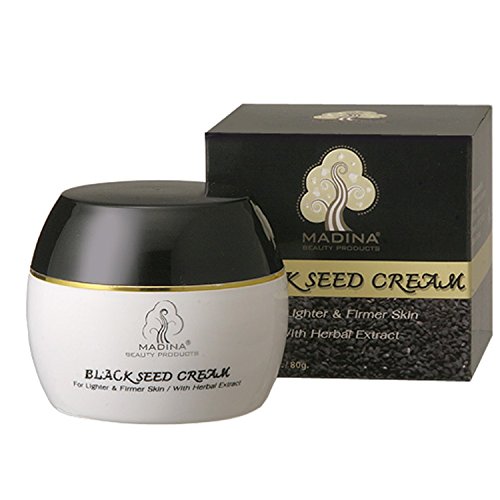
Madina Black Seed Facial Cream is a facial cream centered on black seed oil and herbal extracts, with claims about moisture, oil balance, and a lighter-looking appearance. Its 2.82-ounce size makes it the largest by weight among these options, though its purpose differs from products that explicitly name body areas or dark spots. Check the full ingredient list and avoid treating a product’s “lighter” claim as assurance of a predictable change in natural skin tone.
Bottom line: Choose it if you want a facial moisturizer and accept its broad tone claim.
How to Choose a Bleaching Cream for Black Skin
Start with the area and the kind of concern, not with skin color: creams for facial dark spots, body friction areas, and unwanted hair are different product types. Check the full ingredient label before buying or applying anything; product names and marketing claims alone do not tell you the active ingredients. In the United States, the FDA does not approve over-the-counter hydroquinone skin-lightening products, and mercury is prohibited in cosmetics, so avoid products listing mercury or mercury compounds. If a label is missing, unclear, or makes dramatic promises, skip it. For a new, changing, or persistent dark patch, ask a dermatologist to identify its cause before trying to lighten it.
Choose by the Area You Want to Treat
Match the product’s use to the body area, because facial skin and intimate skin can be more sensitive than skin on the arms or legs. A cream marketed for underarms or elbows is not automatically appropriate for the face or bikini line. The table separates the products by the areas they name; a dash means the specifications do not identify an area. Before using any lightening cream, follow its package directions and keep it away from eyes, mucous membranes, and broken or irritated skin. Do not use a facial or body cream to bleach hair unless its label specifically says it is a hair bleach.
| Product | Named areas | Use distinction |
|---|---|---|
| Snow Bleach Skin Whitening Cream | Face, underarms, elbows, inner thighs | Multiple-area tone and dark-spot claims |
| Korean Intimate Tone-Enhancing Cream | Underarms, knees, elbows, inner thighs, bikini line | Includes intimate-area marketing |
| Genuine Black & White Color Correction Cream | — | Color-correction cream |
| Madina Black Seed Facial Cream | Face | Facial cream with moisture and oil-balance claims |
Skin Lightening Safety and Ingredient Checks
Read the complete ingredient panel and warnings before applying a skin lightener, because a product name does not reveal its active ingredients or suitability. FDA warns consumers not to use skin-lightening products containing mercury; mercury may appear under names such as mercurous chloride, calomel, mercuric, or mercurio. FDA also notes that over-the-counter hydroquinone skin-lightening products are not approved in the United States. These concerns apply regardless of skin tone. Do not apply a lightener to irritated or broken skin, and do not use it near eyes or on mucous membranes. Stop use if you develop a reaction, and consult a clinician for severe or persistent irritation.
What Lightening Creams Can and Cannot Do
Topical brightening creams are marketed to change the appearance of uneven tone or dark spots; they should not be treated as a way to safely change a person’s natural skin color. Dark patches can have different causes, and choosing a bleaching product without knowing the cause may delay appropriate care. If a spot changes, spreads, hurts, or itches, seek medical advice rather than trying to bleach it. For a known cosmetic concern, ask a dermatologist about options and how to protect the area from sun exposure; sunscreen labeled broad-spectrum SPF 30 or higher is a standard recommendation for exposed skin. No cream guarantees an even or lasting result.
Frequently Asked Questions
Can skin bleaching cream change natural skin color?
Topical lightening products are marketed to alter the appearance of tone or spots, but they cannot promise a safe, even change to natural skin color. Ask a dermatologist before trying to lighten large areas.
Which ingredients should I avoid in skin lightening creams?
Avoid products that list mercury or mercury compounds, which are prohibited in cosmetics in the United States. FDA also says over-the-counter hydroquinone skin-lightening products are not approved in the United States.
Can I use a body lightening cream on my face?
Only use a product on the face if its label explicitly includes facial use. Facial skin may be more sensitive, so stop if irritation develops and seek advice if it persists.
How can I protect dark spots from getting darker?
For exposed skin, broad-spectrum sunscreen with SPF 30 or higher is a standard sun-protection choice. Reapply as directed on the package, especially after swimming or sweating.
Should I bleach a new or changing dark spot?
No; have a new or changing patch assessed before using a lightening cream. A changing, painful, or itchy spot warrants medical advice rather than cosmetic treatment.