
Best Cattle Rub Insecticide: 2 Back-Rub Options

Elanco Permectrin CDS, 2.5-Gallon suits most cattle owners seeking a cattle rub insecticide because its label includes back-rub application and it comes in a 2.5-gallon jug. Choose Duncan’s Cattle Oiler, 4-Gallon instead if you need a 45-inch mop oiler, or P.H. Face Flyps Cattle Rub Strips if you need face-wicking strips; neither is an insecticide.
We earn a commission if you buy through links on this page. As an Amazon Associate I earn from qualifying purchases. Products are compared on manufacturer specifications, not hands-on testing.
- Best overall: Elanco Permectrin CDS, 2.5-Gallon – A 2.5-gallon jug is labeled for back-rub application and controls flies, lice, ticks and mosquitoes.
- Best for smaller supply: Permectrin CDS, Pint Two-Pack – The two-pint pack offers the same insecticide and back-rub application in smaller containers.
- Best for mop hardware: Duncan’s Cattle Oiler, 4-Gallon – The 4-gallon cattle oiler has a 45-inch replaceable mop but does not include insecticide.
| Product | Best for | Application | Capacity or size | Listed pests or purpose | Shop |
|---|---|---|---|---|---|
| Elanco Permectrin CDS, 2.5-Gallon | Larger herds | Pour-on, back rub, spray | 2.5 gal | Flies, lice, ticks, mosquitoes | Check Price on Amazon |
| Permectrin CDS, Pint Two-Pack | Smaller supply | Pour-on, back rub, spray | 1 pint, 2-pack | Flies, lice, ticks, mosquitoes | Check Price on Amazon |
| Duncan’s Cattle Oiler, 4-Gallon | Mop oiler | Oiler with replaceable mop | 4 gal; 45-in mop | Pink-eye prevention claim | Check Price on Amazon |
| P.H. Face Flyps Cattle Rub Strips | Face-wicking strips | Strips for cattle rubs | One rub’s supply | Wicks solution onto face | Check Price on Amazon |
Cattle Rub Insecticide Options
Compare the insecticide containers with the rub hardware and wicking accessory before choosing a setup.
Elanco Permectrin CDS, 2.5-Gallon

Elanco Permectrin CDS, 2.5-Gallon is the largest insecticide container here that is labeled for back-rub application. The maker says it is ready to use without dilution for most listed applications, but specifically excepts back-rubber use; follow the product label for that method. It is intended for beef and dairy cattle, sheep, lambs, horses and foals, and the pest range includes horn flies, face flies, stable flies, lice, ticks and mosquitoes. The 2.5-gallon jug suits operations needing a larger supply. It is not a complete rub assembly, so buyers without rub hardware need to provide a compatible setup.
Bottom line: Choose this for a larger supply when you already have compatible cattle rub hardware.
Permectrin CDS, Pint Two-Pack

Permectrin CDS, Pint Two-Pack uses the same insecticide and application methods as the larger jug, but comes as two 1-pint containers. The maker includes back-rub use and says dilution is not required except for that application, so check the label’s back-rubber directions before preparing it. Its uses cover beef and dairy cattle, sheep, lambs, horses and foals, with pests including flies, lice, ticks and mosquitoes. The smaller pack may suit a limited number of animals or a first fill; it provides less total product than Elanco Permectrin CDS, 2.5-Gallon, so it is a poor fit when frequent replenishment is the priority.
Bottom line: Pick this when you want the back-rub insecticide in smaller containers.
Duncan’s Cattle Oiler, 4-Gallon
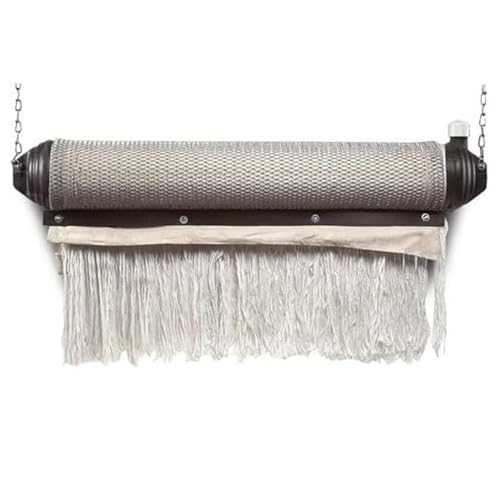
Duncan’s Cattle Oiler, 4-Gallon is the hardware choice rather than an insecticide: it has a 4-gallon tank and a 45-inch replaceable mop. Those dimensions distinguish it from the insecticide containers, but the specifications do not identify an insecticide included with the oiler. Its maker makes a pink-eye prevention claim; that claim does not establish which pesticide or application is appropriate. Choose this when you need a mop-style cattle oiler and already have a suitable, label-compatible treatment. It will not suit someone looking for a ready-to-use insecticide by itself.
Bottom line: Choose this for a mop-style oiler when you will supply compatible treatment separately.
P.H. Face Flyps Cattle Rub Strips

P.H. Face Flyps Cattle Rub Strips adds face-wicking strips to a cattle rub rather than supplying pesticide or a full oiler. The strips are made from Orlon and polyester, hang from Cow Life cattle rubs, and are intended to wick solution onto the animal’s face; the pack contains enough for one cattle rub. That makes this an accessory for a compatible rub setup, not a standalone fly-control treatment. Choose it when your existing rub is designed for hanging strips. Buyers who need the insecticide itself or a complete mop oiler should choose a different type of product.
Bottom line: Pick these strips to wick a compatible rub solution onto cattle faces.
How to Choose a Cattle Rub Insecticide
Start with the application method on the pesticide label: a pour-on is not automatically approved for a cattle rub. These Permectrin products specifically include back-rub use, and the maker’s ready-to-use direction has an exception for back-rubber application. Follow the label’s preparation and application directions rather than assuming the pour-on directions also apply. Cattle rub systems can use a charged mop or hanging wick strips; the equipment must suit the product’s labeled use. Pick a container size around how many animals and refills you expect to manage, but do not stretch a mixture beyond its labeled concentration. Avoid choosing an insecticide solely because it targets the same pest; animal species and production status must also match the label.
Cattle Rub Hardware and Fit
A rub needs hardware that brings the treated surface into contact with the parts of the animal it is intended to cover. A mop oiler and face-wicking strips are different components: the former provides a broad rubbing surface, while hanging strips carry solution toward the face. Check the mounting and clearance at the site before selecting a unit; a strip accessory is useful only with a compatible rub. Keep rubs positioned so cattle can pass through without sharp edges or entanglement hazards, and inspect fasteners and worn surfaces regularly. Do not treat a hardware capacity as an insecticide dose: a 4-gallon tank describes the oiler, not the pesticide dilution or the amount each animal should receive.
Back-Rub Insecticide Safety
Use only a pesticide whose label allows the target species and back-rub method, and use the labeled concentration and application rate. A product approved for beef cattle is not automatically appropriate for every animal or use; dairy cattle, lactating animals, sheep and horses each need to be covered by the directions. Wear the protective equipment specified on the label and keep concentrates and treated equipment away from children, feed and water. Prevent runoff into ponds, streams and drains, and never transfer pesticide into a food or drink container. If the label calls for a dilution or a restricted interval, those directions control; do not infer that a no-withholding-period statement for one application covers a different method.
Match the Product to the Job
Choose insecticide when you need a chemical control, hardware when you need the delivery system, and wicking strips when a compatible rub needs face contact. The insecticide options here include back-rub use; the oiler and strips do not supply an insecticide. Compare the roles before buying:
| Need | Product type | What to confirm |
|---|---|---|
| Apply labeled pesticide through a rub | Back-rub insecticide | Species, pests, preparation and rate on label |
| Create a rubbing surface | Mop oiler | Mounting, clearance and compatible treatment |
| Direct solution to the face | Wicking strips | Compatible rub design and attachment |
Do not substitute a pour-on routine for rub directions, or assume that an accessory supplies the chemical. For face flies, confirm the label covers the target pest and application instead of relying on a general pest-control claim.
Frequently Asked Questions
Can pour-on insecticide be used in a cattle rub?
Only when its label specifically permits back-rub use. Application methods can have different preparation rates, so use the back-rubber directions rather than the pour-on directions.
How often should a cattle rub be recharged?
There is no universal refill interval; weather, animal traffic and the pesticide label’s directions affect it. Check the rub routinely for a dry mop or wick, and replenish only at the labeled concentration.
Can cattle rub insecticide be used on dairy cows?
Only if the product label includes dairy cattle and the intended application method. Confirm any milk-use restrictions on the label for that method before treating lactating cows.
Do cattle rub strips include insecticide?
No; strips are a delivery accessory that wick solution from a compatible rub. Use only a pesticide labeled for the species and rub application, and follow its preparation directions.
Where should a cattle rub be placed?
Place it where animals naturally pass and can rub without crowding or entanglement. Keep the setup away from water sources and feed, and prevent pesticide runoff from reaching ponds or drains.