
Best Clover for Poor Soil: 4 Red and White Picks

For poor soil, Red Clover Seed, 1/4 Pound is the clearest match because its name identifies red clover for poor soils; choose another option if you need a particular package size or a white-clover food plot seed. Clover can add nitrogen when compatible rhizobia are present, but low fertility does not make compacted or waterlogged ground suitable.
We earn a commission if you buy through links on this page. As an Amazon Associate I earn from qualifying purchases. Products are compared on manufacturer specifications, not hands-on testing.
- Best overall: Red Clover Seed, 1/4 Pound – The product is specifically identified as red clover for poor soils.
- Best for food plots: Pennington Rackmaster Durana White Clover, 3 lb – This 3-pound white clover seed is described as thriving in poor soils.
- Best for organic seed: Organic Inoculated Red Clover Seeds – The name identifies inoculated organic red clover seed for poor soils.
- Best for bulk planting: Outsidepride Perennial Red Clover, 40 lb – The 40-pound red clover seed is described as adaptable across soil types and fertility levels.
| Product | Best for | Clover type | Seed amount | Poor-soil fit | Shop |
|---|---|---|---|---|---|
| Red Clover Seed, 1/4 Pound | Small red clover sowing | Red clover | 1/4 lb | Named for poor soils | Check Price on Amazon |
| Pennington Rackmaster Durana White Clover, 3 lb | Wildlife food plots | White clover | 3 lb | Described as thriving | Check Price on Amazon |
| Organic Inoculated Red Clover Seeds | Inoculated red clover | Red clover | Bulk | Named for poor soils | Check Price on Amazon |
| Outsidepride Perennial Red Clover, 40 lb | Large red clover areas | Red clover | 40 lb | Adaptable across fertility | Check Price on Amazon |
Clover Seed for Poor Soil
Compare the species, package sizes and soil claims before choosing seed for a low-fertility site.
Red Clover Seed, 1/4 Pound
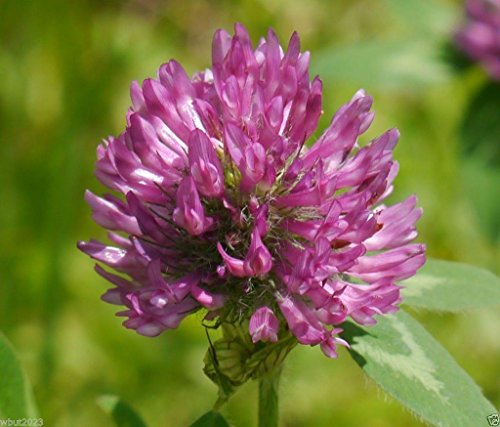
Red Clover Seed, 1/4 Pound is specifically identified as red clover for poor soils, making it the direct match for a small planting. The package contains 1/4 pound of raw seed, and the product identifies its type as Trifolium pratense. Its compact amount suits a trial patch or a limited area rather than a large pasture conversion. Raw seed means the buyer should plan for any needed legume inoculant separately; clover depends on compatible rhizobia to fix nitrogen, so existing poor fertility alone does not guarantee that benefit.
Bottom line: Choose it for a small patch where a direct poor-soil red clover match matters.
Pennington Rackmaster Durana White Clover, 3 lb

Pennington Rackmaster Durana White Clover, 3 lb is the white-clover option, distinct from the red clover seed choices, and the product describes it as thriving in poor soils. Its 3-pound package is intended for a food plot, with the product identifying deer, turkey and honeybee attraction as uses. The maker says this seed persists three times longer under pressure than traditional ladino clovers and fixes up to 150 pounds of nitrogen per acre annually. Those claims are specific to its use; buyers focused on a general groundcover rather than a food plot may prefer a different seed purpose.
Bottom line: Choose it for a white-clover food plot intended for wildlife and pollinators.
Organic Inoculated Red Clover Seeds

Organic Inoculated Red Clover Seeds combines two attributes relevant to a poor-soil planting: its name identifies red clover for poor soils, and it identifies the seed as inoculated and organic. Inoculation supplies compatible nitrogen-fixing bacteria, which can help clover establish its nitrogen-fixing relationship when the soil lacks the right rhizobia. The seed is presented as bulk, but no amount is provided in the specifications, so it is not possible to match it precisely to a planting area. Confirm the package weight before planning coverage.
Bottom line: Choose it when inoculated organic red clover is the priority and you can verify the package amount.
Outsidepride Perennial Red Clover, 40 lb

Outsidepride Perennial Red Clover, 40 lb is the large-quantity red clover option, with a 40-pound package for bulk planting. The product describes it as inoculated, nitrocoated and adaptable to various soil types and fertility levels, and gives a USDA hardiness range of Zones 3–9. It is presented for uses including pasture, hay, cover crops and crop rotation. The maker says it can last 3–5 years, with self-seeding sometimes extending persistence. A 40-pound package may be excessive for a small garden or trial area, so estimate the intended planting area before choosing this size.
Bottom line: Choose it for a large red clover planting across a range of soil fertility levels.
How to choose clover for poor soil
Choose by species and site condition, not by the word “poor” alone. Red clover is commonly used as a forage or cover crop, while white clover spreads by creeping stolons and is often selected for persistent groundcover or grazing. Most clovers establish best around soil pH 6.0–7.0; below about 5.5, acidity can restrict growth and nitrogen fixation. A soil test helps distinguish low fertility from unsuitable pH, and correcting acidity may matter more than adding seed. If the soil is compacted or stays saturated after rain, address drainage or compaction first: clover roots need oxygen, and waterlogged soil can prevent establishment even when the seed type is suitable.
Soil preparation and inoculation
Prepare a firm, fine seedbed and keep clover seed shallow: many clover seeds are sown roughly 1/8 to 1/4 inch deep, because deeper placement can reduce emergence. Legume inoculant contains compatible rhizobia that form nitrogen-fixing nodules on roots; use the inoculant intended for clover rather than assuming any legume product will match. Inoculation matters most where clover has not recently grown, since compatible bacteria may be scarce. Avoid applying high nitrogen fertilizer before establishment: abundant available nitrogen can favor grasses and reduce a legume’s incentive to fix atmospheric nitrogen. A soil test can guide phosphorus and potassium amendments without guessing.
Match seed quantity to the planting area
Package weight alone does not tell you how much ground a seed will cover. Seeding rates change with whether clover is planted alone or mixed with grass, the desired stand density, seed viability and whether broadcasting or drilling is used. Clover seed is small, so a calibrated spreader or mixing seed with a dry carrier can improve even distribution across a large area. Use a table of site conditions to narrow the choice; then check the actual sowing rate for the intended use before calculating coverage.
| Site or goal | Useful direction | Key check |
|---|---|---|
| Small trial patch | Small red clover package | Area coverage from the sowing rate |
| Wildlife food plot | White clover food-plot seed | Soil pH and site drainage |
| Large forage or cover planting | Bulk red clover seed | Package coverage and planting method |
Common poor-soil planting mistakes
The most common mistake is treating low fertility, low pH and poor drainage as the same problem. A soil test measures acidity and nutrients, while drainage problems show up as standing water or persistently saturated soil; seed cannot correct either condition by itself. Another frequent error is burying tiny clover seed too deeply or spreading it unevenly, which creates thin patches that weeds can fill. Mowing or grazing too soon can also damage young seedlings before they establish roots. Keep animals off new plantings until the stand is rooted and growing vigorously, and avoid heavy grazing that removes most leaf area from established clover.
Frequently Asked Questions
What soil pH is best for clover seed?
Most clovers grow best near pH 6.0–7.0. Below roughly 5.5, acidity can limit root nodulation and nutrient availability, so use a soil test before planting.
Does clover grow in heavy clay soil?
Clover can grow in clay if the site drains adequately, but prolonged saturation restricts roots and establishment. Improve drainage or choose a better-drained planting area if water remains after rain.
Should clover seed be inoculated before planting?
Inoculation is useful when compatible rhizobia may be absent, especially where clover has not grown recently. Use an inoculant labeled for clover and follow its handling directions, since heat and sunlight can reduce bacterial viability.
How deep should clover seed be planted?
Clover seed is usually placed about 1/8 to 1/4 inch deep. Shallow placement helps small seeds emerge; deep burial can leave seedlings without enough stored energy to reach the surface.
When should clover be planted for establishment?
In many regions, clover is planted in early spring or late summer when soil is moist and temperatures are moderate. Time planting so seedlings have several weeks to root before heat, drought or hard freezes.