
Best Fine Fescue Grass Seed: 3 Mixes Compared

Outsidepride Legacy Fine Fescue Mix, 10 lb is the strongest fit for most fine fescue lawns because its blend combines hard, Chewings and creeping red fescues for both sun and shade. Choose Eretz Creeping Red Fine Fescue, 5 lb if your priority is creeping red fescue for shaded areas, or Pennington No Mow Mix, 3 lb if you need a taller, low-mow grass for slopes rather than a fine fescue-focused mix.
We earn a commission if you buy through links on this page. As an Amazon Associate I earn from qualifying purchases. Products are compared on manufacturer specifications, not hands-on testing.
- Best overall: Outsidepride Legacy Fine Fescue Mix, 10 lb – Its 20% hard, 40% Chewings and 40% creeping red fescue blend is intended for full sun through dense shade.
- Best for shade: Eretz Creeping Red Fine Fescue, 5 lb – Creeping red fescue is identified for shaded areas and spreads by aggressive tillering.
- Best for slopes: Pennington No Mow Mix, 3 lb – The mix is presented for slopes and erosion-prone areas and grows to 12 inches before flopping shorter.
| Product | Best for | Seed composition | Purity | Mowing height | Shop |
|---|---|---|---|---|---|
| Outsidepride Legacy Fine Fescue Mix, 10 lb | Sun and shade | 20% hard; 40% Chewings; 40% creeping red | 0.00% other crop and weed seed | — | Check Price on Amazon |
| Eretz Creeping Red Fine Fescue, 5 lb | Shaded lawns | Creeping red fescue | 99.6% seed; 0.4% inert matter | 6–8 in. natural height | Check Price on Amazon |
| Pennington No Mow Mix, 3 lb | Low-mow slopes | Fescue mix; also mentions Bermuda | — | 12 in.; flops to about 6 in. | Check Price on Amazon |
Fine Fescue Grass Seed Compared
Compare the blend, species focus and growth habits to match seed to your lawn’s light and maintenance needs.
Outsidepride Legacy Fine Fescue Mix, 10 lb

Unlike the single-species option, this 10-pound mix combines three fine fescues: 20% hard, 40% Chewings and 40% creeping red. The maker says the blend suits full sun through dense shade, as well as new lawns, overseeding and repairs. Its raw seed has no fillers, and the composition gives a clear balance for buyers seeking more than one fine fescue type. The limitation is that the package information gives no sowing rate or establishment schedule, so buyers planning coverage should confirm those amounts before seeding.
Bottom line: Choose this blend when the lawn has a mix of sunny and shaded areas.
Eretz Creeping Red Fine Fescue, 5 lb
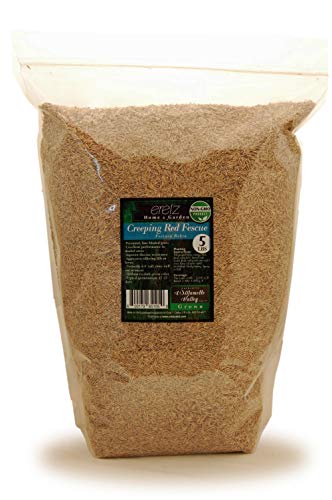
This seed focuses on creeping red fescue rather than blending multiple fine fescue types, making it the more targeted choice for a shaded lawn. The maker says it has disease resistance and aggressive tillering, a growth habit that helps fill open ground. The seed is 99.6% pure with 0.4% inert matter, and it naturally reaches 6 to 8 inches whether cut or left uncut. The tradeoff is its single-species focus; choose a blend instead if you want hard and Chewings fescues included alongside creeping red.
Bottom line: Choose this seed when shade and creeping red fescue are your priorities.
Pennington No Mow Mix, 3 lb

Unlike the fine fescue-specific choices, this mix is framed around low mowing and difficult terrain, including slopes and erosion-prone ground. The maker says the grass grows to about 12 inches, then flops to roughly 6 inches, and describes it as drought tolerant. That growth pattern may suit a site where regular mowing is difficult. However, the product name and features do not establish a fine fescue species composition, and they also mention Bermuda grass; buyers seeking a verified fine fescue blend should choose one of the other options.
Bottom line: Choose this mix for a low-mow slope, not when fine fescue composition is essential.
How to choose fine fescue grass seed
Start with the light level and the maintenance you want: fine fescues are cool-season grasses commonly used where shade tolerance and reduced-input lawns matter. Hard fescue, Chewings fescue and creeping red fescue are the principal fine fescue types; a blend can spread risk across site conditions, while a single type targets a narrower need. Fine fescues are generally suited to northern and transition-zone lawns, not hot-summer climates where warm-season grasses dominate. For a site with both sun and shade, favor a mixed composition; for predominantly shaded ground, creeping red or Chewings fescue is a reasonable direction. Fine fescue seed is small, so an even, shallow sowing is important.
When to seed a fine fescue lawn
Early fall is usually the best window for cool-season grass seeding: soil remains warm for germination while cooler air reduces heat stress. Aim for roughly 6 to 8 weeks before the first expected hard frost so seedlings can establish; spring seeding is the alternative when fall has passed, but new grass then faces summer heat sooner. Prepare a firm, fine seedbed and keep the upper soil consistently moist during germination rather than letting it dry between waterings. Avoid heavy foot traffic until seedlings are established. Seeding rates vary by whether the job is a new lawn or overseeding, so use the package rate for the specific application rather than applying a new-lawn rate to an existing turf.
Fine fescue types and lawn uses
Hard, Chewings and creeping red fescues differ in growth habit and typical use, so seed composition is more informative than a generic “fescue” label. Fine fescues often need less fertilizer and mowing than high-input turf, but they still need establishment care and suitable conditions. This guide compares the named types and their common roles.
| Type | Typical use | Growth habit |
|---|---|---|
| Hard fescue | Low-input, dry or shaded sites | Bunch-forming |
| Chewings fescue | Shade and fine-textured turf | Bunch-forming |
| Creeping red fescue | Shade and filling thin areas | Short rhizomes |
Fine fescue types are not interchangeable with tall fescue: tall fescue has broader blades and a different overall turf character.
Establishing and maintaining fine fescue
Keep new fine fescue seed moist until germination, then gradually shift to deeper, less frequent watering as roots develop. Most cool-season grass seed germinates in about 7 to 21 days under favorable moisture and temperature, though species and weather alter the pace. Once established, mow when growth reaches about one-third above the intended height; fine fescue lawns are often maintained around 2.5 to 4 inches, with taller blades helping shade soil. Never remove more than one-third of the blade in a single cut. On slopes, erosion control matting can hold seed and soil in place while seedlings take root.
Frequently Asked Questions
Can fine fescue grass grow in full shade?
Fine fescue is among the more shade-tolerant lawn grass groups, but dense shade still limits turf density. A site receiving fewer than about 4 hours of direct sun may need a non-turf groundcover rather than grass.
How long does fine fescue seed take to sprout?
Fine fescue commonly germinates in about 7 to 21 days when soil stays moist and temperatures are favorable. Dry surface soil or cool conditions can extend that window.
When should I overseed fine fescue?
Early fall is typically the best overseeding window, ideally 6 to 8 weeks before the first hard frost. Spring is workable, but seedlings have less time to establish before summer heat.
How often should fine fescue lawns be mowed?
Mow according to growth, not a fixed weekly calendar, and remove no more than one-third of the blade each cut. A typical fine fescue mowing range is about 2.5 to 4 inches.
Is fine fescue the same as tall fescue?
No. Fine fescues have narrower blades and include hard, Chewings and creeping red types, while tall fescue is a distinct, broader-bladed turf grass. Check the species composition when a seed mix uses only the general word “fescue.”