
Best Gloves for Acetone: 4 Options Compared

For acetone handling, choose NORTH B131 Butyl Gloves because its butyl material is specifically described as highly resistant to ketones, including acetone. Choose Hand-E Touch Pink Nitrile, 3-Mil only for brief, lower-risk tasks where a thin disposable glove is useful; its 3-mil nitrile construction is not the same as the butyl option’s solvent-focused protection.
Acetone is a fast-evaporating, flammable solvent, so glove choice is only one part of safe handling; work with good ventilation and keep it away from flames and sparks.
We earn a commission if you buy through links on this page. As an Amazon Associate I earn from qualifying purchases. Products are compared on manufacturer specifications, not hands-on testing.
- Best overall: NORTH B131 Butyl Gloves – Butyl is specified as highly resistant to ketones, including acetone.
- Best for brief tasks: Hand-E Touch Pink Nitrile, 3-Mil – The 3-mil disposable nitrile design is thin and has textured fingertips.
- Best for reusable chores: ThxToms Reusable Nitrile, 15-Mil – The reusable 15-mil nitrile pair has a diamond-textured palm.
| Product | Best for | Material | Thickness | Length | Shop |
|---|---|---|---|---|---|
| NORTH B131 Butyl Gloves | Solvent handling | Butyl | 13 mil | 11 in. | Check Price on Amazon |
| Hand-E Touch Pink Nitrile, 3-Mil | Brief light tasks | Nitrile | 3 mil | — | Check Price on Amazon |
| ThxToms Reusable Nitrile, 15-Mil | Reusable cleaning | Nitrile | 15 mil | 13.3 in. | Check Price on Amazon |
| ARKEVA Disposable Nitrile, 6-Mil | General handling | Nitrile | 6 mil | — | Check Price on Amazon |
Gloves for Acetone Compared
Material and task duration matter more than general-purpose chemical-resistance claims when choosing gloves for acetone.
NORTH B131 Butyl Gloves

NORTH B131 Butyl Gloves is the strongest match here for acetone because its butyl construction is specifically described as highly resistant to ketones, including acetone. The 13-mil, 11-inch gloves are unsupported and smooth-finished, with a multi-dip construction that creates multiple polymer layers. Butyl is also described as offering high permeation resistance to vapors and gases, which is relevant when handling volatile solvents. These are reusable chemical-protection gloves, not thin disposable exam-style gloves. Their XL size is a meaningful limitation: choose them only if that size fits, since a loose glove can impair grip and control.
Bottom line: Choose this pair when the XL fit works and acetone resistance is the priority.
Hand-E Touch Pink Nitrile, 3-Mil
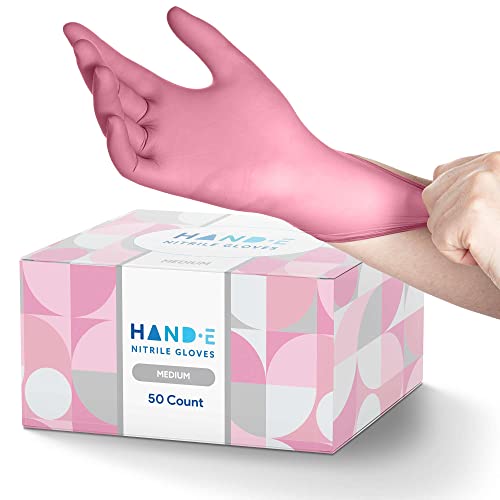
Hand-E Touch Pink Nitrile, 3-Mil is a thin disposable option, unlike the thicker butyl pair. The product name calls it acetone resistant, and its 3-mil nitrile construction, powder-free and latex-free design, and textured fingertips may suit short, dexterity-focused tasks. It is a medium, 50-count pack. The key limitation is that general nitrile should not be assumed to protect against acetone for an extended task; thinness and exposure time matter, and the product facts give no acetone breakthrough time. Do not rely on this glove for prolonged contact or vapor protection; choose a glove with specific solvent compatibility for that work.
Bottom line: Choose these for short, dexterity-focused tasks, not prolonged acetone contact.
ThxToms Reusable Nitrile, 15-Mil

ThxToms Reusable Nitrile, 15-Mil is a reusable, heavy-duty nitrile glove intended for cleaning and other tasks involving acids, alkalis, solvents, and oils. At 15 mil and 13.3 inches long, it is substantially thicker than the disposable nitrile option, and its diamond-textured palm is designed to improve grip. Those traits make it a more substantial general-purpose glove, but the product facts do not specifically identify acetone resistance. That distinction matters: a broad solvent-resistance claim does not establish suitability for a particular solvent or exposure duration. Use it only for tasks where its acetone compatibility has been confirmed; otherwise select the explicitly ketone-resistant butyl pair.
Bottom line: Choose it for reusable cleaning only after confirming acetone compatibility.
ARKEVA Disposable Nitrile, 6-Mil

ARKEVA Disposable Nitrile, 6-Mil offers a middle ground in thickness between the 3-mil disposable pair and the 15-mil reusable pair. Its maker describes the 6-mil nitrile gloves as chemical resistant and suitable for varied work, including cleaning and lab tasks, and the gloves are latex- and powder-free. They come in a medium size. However, the product facts do not name acetone resistance specifically, and the phrase chemical resistant cannot establish protection against every solvent. That makes this a general-purpose choice rather than a direct substitute for butyl when acetone is the chemical being handled. Verify acetone compatibility for the intended exposure before relying on it.
Bottom line: Choose it for general tasks, not acetone contact without confirmation.
How to Choose Gloves for Acetone
For acetone, prioritize a glove material with explicit ketone resistance rather than a broad chemical-resistant label. Butyl is a common choice for ketones; nitrile can perform poorly against acetone, and its protection varies with formulation, thickness, and contact time. A thicker glove is not automatically compatible. For repeated or splash-prone work, compare the exact chemical-resistance data for the glove model and the expected exposure, not just its material name. If compatibility data is unavailable, do not assume the glove protects against acetone. The practical decision rule is simple: for prolonged or repeated contact, choose a glove specifically rated for acetone; reserve generic disposable nitrile for tasks where compatibility and brief exposure have been established.
Acetone Exposure and Glove Limits
Acetone can pass through or damage unsuitable glove materials, so a glove that remains intact may still allow chemical permeation. Permeation depends on the exact glove formulation, thickness, temperature, and exposure duration; there is no single safe wear time for all nitrile or butyl gloves. Splash contact and immersion are different exposure conditions, and immersion demands more conservative glove selection. Acetone also evaporates readily and is highly flammable, so work with ventilation and keep the solvent away from ignition sources. Replace gloves promptly if they are torn, swollen, sticky, or contaminated inside. For extended work, verify manufacturer permeation and breakthrough data for the exact glove and conditions rather than extrapolating from another model.
Disposable Nitrile Versus Butyl Gloves
Disposable nitrile gloves favor dexterity and quick changes, while butyl gloves are used when stronger resistance to certain solvents is needed. Thickness alone does not decide which is safer: compatibility against acetone is the deciding factor. Use this comparison to narrow the choice, then check fit and exact solvent compatibility.
| Glove type | Useful distinction | Acetone decision |
|---|---|---|
| Butyl | Solvent-focused reusable material | Prefer when specifically rated for acetone |
| Disposable nitrile | Thin and dexterous | Do not assume compatibility |
| Reusable nitrile | Thicker general-purpose construction | Confirm exact model compatibility |
For repeated solvent work, a confirmed compatible glove is more important than convenience or tactile feel.
Fit and Safe Use for Solvent Gloves
A glove should fit snugly at the fingers and palm without pulling tight or restricting movement; excess material can catch and reduce control. Check that the cuff covers the wrist and that the glove is intact before handling acetone. Never reuse a disposable glove, and do not assume a reusable glove is ready for another task if its exterior may be contaminated. Acetone can irritate skin and its vapor can build up in poorly ventilated spaces, so keep containers closed when not in use and avoid skin contact. Because the solvent is flammable, keep it away from flames, sparks, and hot surfaces. Select protection for the job’s contact pattern—incidental splashes versus prolonged exposure—and stop if the glove changes shape or feels compromised.
Frequently Asked Questions
Are nitrile gloves safe for handling acetone?
Nitrile gloves are not automatically suitable for acetone; compatibility varies by formulation, thickness, and exposure time. Choose a pair with model-specific acetone resistance data for anything beyond a brief, confirmed-compatible task.
Why are butyl gloves used with acetone?
Butyl is known for resistance to ketones such as acetone, which makes it a common candidate for solvent handling. Check the exact glove’s compatibility and exposure limits before use.
Can I reuse gloves after an acetone splash?
Do not reuse a disposable glove after an acetone splash. For reusable gloves, follow model-specific decontamination guidance and replace them if they are damaged, softened, sticky, or contaminated inside.
How should acetone be handled safely?
Use acetone with good ventilation and keep it away from flames, sparks, and hot surfaces because it is highly flammable. Avoid skin contact and choose gloves specifically compatible with the solvent.
Does a thicker glove always protect better from acetone?
No; material compatibility is as important as thickness. A thick glove made from an unsuitable material may provide less acetone protection than a compatible glove.