
Best Hypochlorous Acid Generator: 5 Models Compared

Eco One HOCl Generator suits most people because it gives a specific batch target: 1 liter at 100 ppm in 8 minutes, with higher strengths possible by running it longer. Choose a different model if you need a larger batch or its pH controls matter more; these devices use electrolysis to make chlorine-based solutions from salt water.
Check the intended solution and its pH before choosing: higher pH can shift the output toward sodium hypochlorite rather than hypochlorous acid.
We earn a commission if you buy through links on this page. As an Amazon Associate I earn from qualifying purchases. Products are compared on manufacturer specifications, not hands-on testing.
- Best overall: Eco One HOCl Generator – Its output is 1 liter at 100 ppm in 8 minutes, with a maximum of 500 ppm by running longer.
- Best for faster batches: 2 L Silver HOCl Generator – The maker says it prepares a 2-liter batch in five minutes and calls for pH 5–6 to make hypochlorous acid.
- Best for larger batches: 7.5 L Electrolyzed Water System – Its name gives a 7.5-liter capacity and three output concentrations: 200, 500 and 1,000 ppm.
| Product | Best for | Capacity | Output strength | pH target | Shop |
|---|---|---|---|---|---|
| Eco One HOCl Generator | Defined output targets | 1 L | 100–500 ppm | — | Check Price on Amazon |
| 2 L Silver HOCl Generator | Short stated cycle | 2 L | — | 5–6 | Check Price on Amazon |
| 7.5 L Electrolyzed Water System | Largest capacity | 7.5 L | 200, 500, 1,000 ppm | 5.5–6.5 | Check Price on Amazon |
| Huacmoet 2,000 mL Generator | Two-solution capability | 2 L | — | 5–6 | Check Price on Amazon |
| 2,000 mL Electrolyzed NaCl Generator | Kitchen and home use | 2 L | — | 5–6 | Check Price on Amazon |
Hypochlorous Acid Generators
Compare batch capacity, pH requirements and the output figures each maker provides.
Eco One HOCl Generator

Eco One HOCl Generator stands out for giving a timed output target rather than only a vessel capacity: the maker says it makes 1 liter at 100 ppm in 8 minutes, 200 ppm in 16 minutes, or up to 500 ppm with extra run time. The generator uses salt, water and electricity, with optional vinegar to lower pH. Its high-grade plastic body has a titanium electrolysis plate; the package also includes test strips, a microfiber cloth and a fine-mist sprayer. This suits buyers who want stated output targets and testing accessories. The 1-liter batch is smaller than the larger-capacity models.
Bottom line: Choose this if a defined batch target and included test strips matter more than a larger vessel.
2 L Silver HOCl Generator

2 L Silver HOCl Generator is the only model here whose maker gives a five-minute preparation claim alongside a 2-liter capacity. It can produce hypochlorous acid or sodium hypochlorite depending on the prepared solution’s pH; the instructions call for pH 5–6 before starting when hypochlorous acid is the goal. Salt, water and distilled white vinegar are part of the preparation described. This suits someone prioritizing a larger batch and a short cycle. The output concentration is not given, so it is a weaker choice if you need a defined ppm target.
Bottom line: Pick it for a 2-liter batch and short stated cycle, provided you can verify pH.
7.5 L Electrolyzed Water System

7.5 L Electrolyzed Water System has the largest capacity among these models at 7.5 liters, and its name supplies three concentration options: 200, 500 and 1,000 ppm. The name also gives a pH range of 5.5–6.5. That combination may appeal to buyers planning larger batches and comparing more than one output strength. The maker describes several potential household uses but does not explain a preparation cycle or specific operating steps. Because a wrong pH can produce a different chlorine solution, confirm the pH and intended output before relying on this model’s capacity or concentration figures.
Bottom line: Choose it if its larger stated capacity and named concentration options suit your planned batches.
Huacmoet 2,000 mL Generator
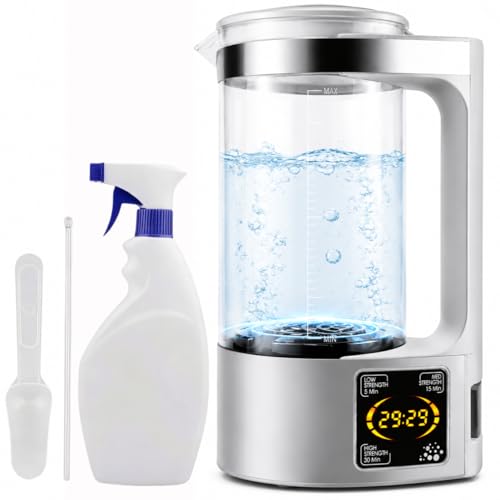
Huacmoet 2,000 mL Generator is a 2-liter generator that explicitly distinguishes between hypochlorous acid and sodium hypochlorite by the prepared salt solution’s pH. Its instructions say to verify pH 5–6 with test paper before starting when hypochlorous acid is wanted; a higher pH produces sodium hypochlorite. The solution is described as ready to use after the machine stops. This makes the model relevant to buyers who want to choose between those two outputs by controlling pH.
Bottom line: Pick it if you want a 2-liter unit with a pH condition for the desired solution.
2,000 mL Electrolyzed NaCl Generator
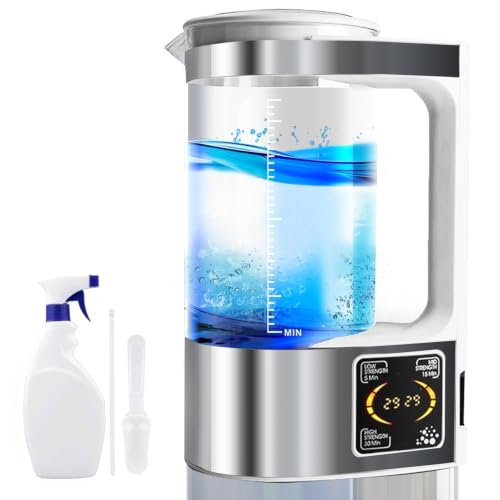
The maker says pH paper should confirm a 5–6 range for hypochlorous acid; a higher pH produces sodium hypochlorite. The described home, kitchen, school, restaurant and bathroom settings make it a broad-use option for buyers already comfortable preparing and checking the solution.
Bottom line: Choose it for a 2-liter home-use unit if you can check the solution pH before running it.
How to Choose a Hypochlorous Acid Generator
Choose by batch size, pH control and whether the maker gives an output concentration. These are electrolysis devices: an electric current acts on a prepared salt-water solution, and pH influences whether the resulting chlorine is primarily hypochlorous acid or hypochlorite. A capacity tells you batch volume, not concentration or strength. For example, a model with a 2-liter vessel is not automatically stronger than one that makes 1 liter. If you need a measurable target, prefer a model that gives ppm figures and a way to check pH or concentration. If the output is for a regulated disinfecting purpose, verify the product label and applicable use directions rather than assuming a homemade solution has a particular efficacy.
Why pH Matters for the Output
For hypochlorous acid output, the prepared solution’s pH is a key selection and operating condition. Some models specify pH 5–6, while another names 5.5–6.5; higher pH shifts the chlorine balance toward hypochlorite, which is the distinction several makers state. A simple decision rule is to choose a model whose target range you can measure before starting, and do not assume that salt, water and vinegar proportions will produce the same pH in every batch. Use pH paper or a meter suited to the range, and keep acids separate from chlorine products unless the device’s instructions specifically require an ingredient during preparation. Never mix a generated chlorine solution with other cleaners.
Capacity and Output Strength Compared
Capacity and ppm answer different questions: capacity is how much solution the unit can hold or produce, while ppm is the concentration. A larger batch can be convenient, but it does not establish a higher concentration or a faster cycle. The maker of one model gives both a timed batch and stepped ppm targets; another gives capacity and multiple concentration figures but no cycle time in its specifications. Use the following comparison to identify which models provide numbers that matter to your use, then confirm the operating method before making a batch.
| Need | What to compare | Decision rule |
|---|---|---|
| More solution per batch | Capacity in liters | Choose a larger stated batch only if you can use and store it appropriately. |
| Known concentration | Output ppm | Prefer a model with a target and a way to verify it. |
| Hypochlorous acid rather than hypochlorite | Prepared solution pH | Meet the maker’s pH target and check before starting. |
Safe Handling and Storage
Chlorine-based solutions require careful handling even when made at home. Keep generated solutions away from children, avoid contact with eyes and skin, and never combine them with ammonia, acids or other cleaners; mixing can release hazardous gases. Hypochlorous acid solutions can lose strength over time, particularly with exposure to heat and light, so make only what you can use promptly and keep any temporary storage sealed and out of sunlight. Follow the specific device’s ingredient and handling directions, since preparation methods differ. Do not assume a concentration figure alone makes a solution appropriate for food, drinking water, skin or a particular surface.
Frequently Asked Questions
What pH should salt water have for hypochlorous acid?
Some of these generators call for pH 5–6, while another names 5.5–6.5. Check the prepared solution before starting, because a higher pH can shift the output toward sodium hypochlorite.
Does a larger generator make a stronger solution?
No; capacity is batch volume, while concentration is measured in ppm. Compare both figures separately, and do not infer strength from a 2-liter or 7.5-liter capacity.
How should homemade hypochlorous acid be stored?
Keep a solution sealed, cool and away from light, and avoid storing it longer than necessary because chlorine solutions can lose strength over time. Make only a quantity you expect to use promptly.
Can hypochlorous acid be mixed with other cleaners?
No; never mix chlorine-based solutions with ammonia, acids or other cleaners because hazardous gases can form. Keep preparation ingredients separate from other cleaning products.
How can I tell whether the output is hypochlorous acid?
Check the prepared salt solution’s pH before electrolysis and compare it with the generator’s target; several models specify pH 5–6. A pH reading alone does not verify the final concentration, so use a suitable test for any ppm target you need.