
Best Mattress Topper for Bed Sores: 4 Options Compared

For someone at risk of pressure injuries who cannot shift position often, Lunderg Alternating Air Pressure Pad is the strongest match because it combines alternating air pressure with a foam comfort layer. A foam topper may improve surface comfort, but it is not the same as an alternating-pressure pad.
Choose Vive Alternating Air Pressure Pad if you want an air-cell pad without the included foam layer; consider EGOHOME 3-Inch Queen Memory Foam Topper or SHOUREN 5-Inch Queen Foam Topper for general foam cushioning, not as substitutes for a care plan for pressure injuries.
We earn a commission if you buy through links on this page. As an Amazon Associate I earn from qualifying purchases. Products are compared on manufacturer specifications, not hands-on testing.
- Best overall: Lunderg Alternating Air Pressure Pad – Alternating air pressure and an included foam layer combine pressure cycling with a softer surface.
- Best for air-cell therapy: Vive Alternating Air Pressure Pad – Its alternating system uses 130 air cells.
- Best for a queen bed: EGOHOME 3-Inch Queen Memory Foam Topper – The 3-inch memory foam topper is sized for a queen mattress.
| Product | Best for | Type | Size | Thickness | Shop |
|---|---|---|---|---|---|
| Lunderg Alternating Air Pressure Pad | Air and foam | Alternating air pad | Twin | 4 in. | Check Price on Amazon |
| Vive Alternating Air Pressure Pad | Air-cell cycling | Alternating air pad | Twin | 3 in. | Check Price on Amazon |
| EGOHOME 3-Inch Queen Memory Foam Topper | Queen foam comfort | Memory foam | Queen | 3 in. | Check Price on Amazon |
| SHOUREN 5-Inch Queen Foam Topper | Thick foam cushioning | Gel and shredded foam | Queen | 5 in. | Check Price on Amazon |
Mattress Toppers for Bed Sores
Compare alternating-pressure pads with foam toppers, and choose based on the sleeper’s care needs and mattress fit.
Lunderg Alternating Air Pressure Pad

Unlike a pad made only of air cells, this Lunderg combines alternating pressure with a foam comfort layer. The twin pad measures 35 by 75 inches, and the included pump has a static mode and soft-to-firm control. The maker says its pump runs at 23 dBA. This option may suit a sleeper who needs an alternating-pressure surface but finds a bare air pad uncomfortable. It is still a support surface, not a substitute for individualized pressure-injury care or repositioning. Confirm that the pad’s dimensions fit the bed before ordering.
Bottom line: Choose this if you want alternating air pressure with an added foam layer.
Vive Alternating Air Pressure Pad

The Vive stands out for its 130 air cells, which the maker says inflate and deflate in an alternating pattern. Its twin-size pad includes a pump and a waterproof, breathable cushion, according to the product name. This may fit a bedridden person who needs an air-cell surface and does not require an included foam comfort layer. The key limitation is that the specifications do not give a full compatible-bed measurement, so confirm the pad’s fit and the care team’s recommendations before choosing it. Air-cell cycling does not replace skin checks or a repositioning plan.
Bottom line: Pick this when an alternating air-cell surface is the priority.
EGOHOME 3-Inch Queen Memory Foam Topper

For a queen mattress and a conventional foam surface, this EGOHOME topper differs from the air-cell pads by using 3 inches of gel memory foam. It has a removable cover and is CertiPUR-US certified, according to its product name; the maker also describes ventilation holes for cooling. Those features make it a general comfort option, not an alternating-pressure mattress pad designed for people who cannot shift weight frequently. Choose it for cushioning on a queen bed when that is the goal, but do not treat foam thickness or contouring as a pressure-injury care plan.
Bottom line: Choose this for queen-size foam cushioning, not air pressure cycling.
SHOUREN 5-Inch Queen Foam Topper
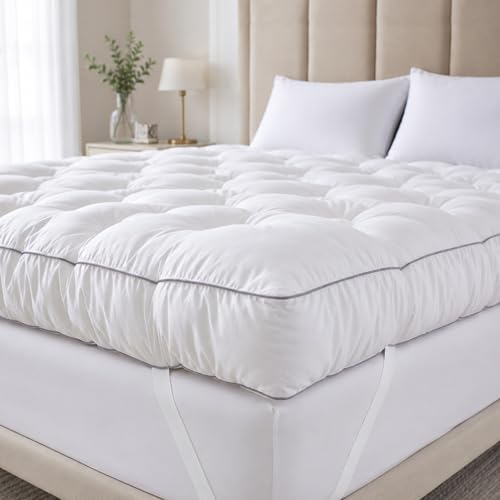
The SHOUREN is the thickest option here at 5 inches, with gel memory foam and shredded foam in a dual-layer design. Four-way elastic anchor straps are intended to help secure it on a queen mattress. Unlike the alternating-pressure pads, it has no air-cell cycling in the specifications, so it is a general cushioning choice rather than a pressure-redistribution system. It may suit someone seeking a thicker foam surface, but it is not the right stand-in for a clinician-guided plan when bed sores or pressure-injury risk are concerns.
Bottom line: Pick this for a thick queen foam layer when pressure cycling is not needed.
How to choose a mattress topper for bed sores
For a person who cannot change position independently, prioritize a pressure-redistribution surface and a care plan rather than foam thickness alone. Alternating-pressure pads use powered air cells that inflate and deflate in sequence; static foam toppers cushion but do not cycle pressure. A mattress surface should be selected with the clinician or wound-care team, since mobility, skin condition, and the underlying bed affect the choice. A practical decision rule is to favor an alternating-pressure pad over a comfort-only foam topper when the person is bedbound and cannot regularly shift weight, unless the care team recommends another surface. No topper should be treated as a cure or as a replacement for repositioning and skin monitoring.
Alternating air pads versus foam toppers
Alternating air pads and foam toppers serve different purposes: one changes the pressure pattern over time, while the other provides a fixed cushioning layer. The distinction matters because a thicker foam surface does not make it an air pressure system. Use this table to identify which type matches the primary need; it does not determine which surface is medically appropriate.
| Need | Type to consider | What to check |
|---|---|---|
| Pressure cycling | Alternating air pad | Bed fit and care-team guidance |
| Added cushioning | Foam topper | Mattress size and thickness |
Powered pads also require a pump and placement that allows the system to operate as intended. Foam may be more familiar as a sleeping surface, but neither category guarantees prevention of skin injury.
Fit the support surface to the bed and sleeper
Match the pad’s length and width to the mattress before setup; a loose or overhanging surface can interfere with a stable sleep area. The twin pads differ in their measurements, so check the particular model’s dimensions rather than relying on the word “twin.” For a topper, compare the bed’s nominal size and actual surface dimensions, especially if the mattress has an unusual shape or a surrounding frame. Also consider whether the person can move independently and whether transfers, side rails, or other equipment affect access to the bed. Confirm compatibility with the clinician or equipment supplier when the bed is adjustable or medically configured.
Pressure-injury care and safer use
A support surface is only one part of pressure-injury prevention and care; regular repositioning, skin observation, and moisture management remain important. A widely used care approach individualizes repositioning to the person’s skin tolerance, mobility, and surface rather than applying one schedule to everyone. Check skin routinely for persistent redness, discoloration, warmth, or broken areas, and promptly involve a clinician for a new or worsening concern. Keep the surface clean and dry, and make sure pump cords and tubing do not create trip or entanglement hazards. Do not rely on a product’s prevention or healing language to diagnose or treat a wound; follow a qualified professional’s plan.
Frequently Asked Questions
Can a mattress topper heal bed sores?
A topper alone cannot be relied on to heal a pressure injury. A clinician should assess any wound and guide treatment, repositioning, and support-surface choices.
How often should a bedbound person be repositioned?
There is no single schedule that fits everyone; repositioning intervals should reflect skin tolerance, mobility, and the support surface. Ask the care team to set an individualized plan and check the skin for persistent changes.
Are alternating air pads the same as foam toppers?
No. An alternating pad cycles pressure through powered air cells, while a foam topper provides a static cushioning surface. Choose based on the person’s clinical needs, not thickness alone.
What should I check before fitting a bed topper?
Measure the mattress length and width and compare them with the specific topper’s dimensions. Also check whether a pump, adjustable bed, rails, or transfer equipment affects safe placement.
What skin changes need a clinician’s attention?
Persistent redness or discoloration, unusual warmth, or broken skin warrants prompt clinical attention, especially when it is new or worsening. Do not massage a reddened bony area; ask the care team for guidance.