
Best Mosquito Spray for Africa: 3 Formulas Compared

Repel Sportsmen Max 40% DEET is the best mosquito spray for Africa among these options because its 40% DEET formula is the highest concentration here. Travelers who prefer a DEET-free formula should consider OFF! Clean Feel 20% Picaridin, which uses 20% picaridin.
Mosquito repellent helps reduce bites, but it does not replace malaria-prevention steps; risk varies by destination, so check country-specific travel guidance before departure.
We earn a commission if you buy through links on this page. As an Amazon Associate I earn from qualifying purchases. Products are compared on manufacturer specifications, not hands-on testing.
- Best overall: Repel Sportsmen Max 40% DEET – Its 40% DEET formula is the highest concentration among these three sprays.
- Best for DEET-free use: OFF! Clean Feel 20% Picaridin – It uses 20% picaridin and is described as fragrance-free.
- Best for two-can packing: OFF! Deep Woods Dry 25% DEET, 2-Pack – The pack contains two 4-ounce cans with 25% DEET.
| Product | Best for | Active ingredient | Can size | Format | Shop |
|---|---|---|---|---|---|
| Repel Sportsmen Max 40% DEET | Higher DEET concentration | 40% DEET | 6.5 oz | Aerosol | Check Price on Amazon |
| OFF! Clean Feel 20% Picaridin | DEET-free formula | 20% picaridin | 5 oz | Aerosol | Check Price on Amazon |
| OFF! Deep Woods Dry 25% DEET, 2-Pack | Two-can travel kit | 25% DEET | 4 oz per can | Aerosol, 2-pack | Check Price on Amazon |
Mosquito sprays for Africa
Compare the active ingredients and pack formats, then match the spray to your destination and travel routine.
Repel Sportsmen Max 40% DEET

Repel Sportsmen Max 40% DEET has the highest DEET concentration of these three options, with 40% DEET in a 6.5-ounce aerosol can. The maker says it repels mosquitoes as well as ticks, gnats, biting flies, chiggers, and fleas, and describes it as long-lasting. The can is intended for outdoor use, making it a fit for travelers planning extended time outside. Its limitation is the DEET formula; travelers seeking a DEET-free option should choose a different spray, and aerosol application requires care around the face and ignition sources.
Bottom line: Choose it if you want the highest DEET concentration among these options.
OFF! Clean Feel 20% Picaridin
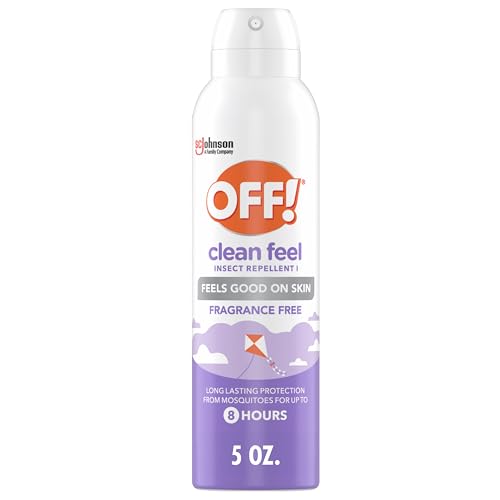
OFF! Clean Feel 20% Picaridin is the only picaridin formula in this group: a 5-ounce, fragrance-free aerosol that is also described as DEET-free. The maker says protection against flying insects lasts up to 8 hours and that the formula repels mosquitoes, ticks, and biting flies when used as directed. It suits travelers who prefer picaridin and want a formula marketed as quick-drying and non-sticky. The trade-off is the smaller range of insects named by the maker compared with the DEET options.
Bottom line: Pick it if avoiding DEET is your priority.
OFF! Deep Woods Dry 25% DEET, 2-Pack

OFF! Deep Woods Dry 25% DEET, 2-Pack comes as two 4-ounce aerosol cans, each with a 25% DEET formula. The maker says it protects against mosquitoes and also names ticks, biting flies, gnats, and chiggers; the spray is described as powder-dry rather than oily or greasy. The paired cans may suit a traveler who wants separate cans for different bags or companions. Each can is smaller than the 6.5-ounce option, and the formula contains DEET, so it is not the choice for someone seeking a DEET-free repellent.
Bottom line: Choose it if two smaller cans fit your packing plan.
How to choose mosquito spray for Africa
Choose a repellent by active ingredient and the time you expect to spend outdoors, not by the word “Africa” alone. These options offer 20% picaridin, 25% DEET, and 40% DEET; compare those concentrations with your destination-specific travel guidance and daily plans. Mosquito activity and malaria risk vary across countries and regions, so check current guidance for each stop. Repellent can reduce bites, but it does not prevent malaria on its own or replace prescribed antimalarial medicine. For a trip with substantial outdoor time, prioritize a formula whose label’s directions and protection claims fit your itinerary; choose the DEET-free option if avoiding DEET matters more than having a DEET formula.
Using repellent safely in hot weather
Apply insect repellent only as its label directs, and use it on exposed skin rather than under clothing. Spray hands first to apply repellent to the face, avoiding eyes and mouth; do not spray directly onto the face. Keep aerosol cans away from flames and heat, and avoid breathing the spray. When sunscreen is also needed, apply sunscreen first and repellent second. Reapply only as often as the product label allows, since sweat, swimming, and time outdoors can affect how long protection lasts. Covering skin with loose clothing and using a bed net where appropriate add bite-reduction measures, but do not substitute for destination-specific malaria advice.
Travel mosquito protection beyond spray
A repellent is one part of a travel plan, not a stand-alone malaria measure. Before leaving, check the malaria recommendations for each destination and discuss prevention medication with a travel-health clinician; recommendations can differ even between areas of the same country. Pack clothing that covers arms and legs for times when mosquitoes are active, and use screened or air-conditioned rooms when available. A mosquito bed net can help where sleeping areas are not adequately screened. Avoid relying on a single spray application for an entire day: follow the product directions, particularly after swimming or heavy sweating. Keep the repellent in its original container so the application and safety directions remain available.
Frequently Asked Questions
Does mosquito spray prevent malaria in Africa?
No, mosquito spray alone does not prevent malaria. Repellent helps reduce mosquito bites, but destination-specific prevention can also involve antimalarial medicine and other bite-avoidance measures.
Is picaridin or DEET better for travel?
Both are active ingredients used in insect repellents. These choices include 20% picaridin and DEET formulas at 25% and 40%; choose according to your destination guidance, label directions, and preference about DEET.
Should sunscreen go on before insect repellent?
Yes, apply sunscreen before insect repellent. Follow each product’s label, and reapply the repellent only at its directed interval.
Can I spray repellent directly on my face?
No, do not spray repellent directly onto the face. Spray onto your hands first, then apply carefully while avoiding your eyes and mouth.
What else helps reduce mosquito bites overnight?
A mosquito bed net helps protect a sleeping area where screens or air conditioning are unavailable. Cover exposed skin and follow destination-specific malaria advice as well.