
Best Overpatch for Dexcom G7: 4 Options Compared

Skin Grip Adhesive Patches is the best overpatch for most Dexcom G7 users because its maker specifies a 15-plus-day grip, longer than the wear period of a G7 sensor. Choose a different option if you prefer a clear patch, want a 50-count pack, or need woven fabric.
An overpatch is an adhesive cover placed over the sensor’s adhesive area to help keep it in place; the sensor itself is separate.
We earn a commission if you buy through links on this page. As an Amazon Associate I earn from qualifying purchases. Products are compared on manufacturer specifications, not hands-on testing.
- Best overall: Skin Grip Adhesive Patches – The maker specifies 15-plus days of grip, and the patch is compatible with G7 and Stelo.
- Best for a large pack: Waterproof Sticker Full-Coverage Patches – The clear, pre-cut full-coverage patches come in a 50-count pack.
- Best for woven fabric: Onida Woven Fabric Over Patches – The maker identifies breathable woven fabric and compatibility with G7 and Stelo.
- Best for clear coverage: Lexcam Clear Over Patches – The clear patch is latex-free and compatible with G7 and Stelo.
| Product | Best for | Pack count | Color | Compatible devices | Shop |
|---|---|---|---|---|---|
| Skin Grip Adhesive Patches | Longer claimed grip | 20 | Tan | Dexcom G7, Stelo | Check Price on Amazon |
| Waterproof Sticker Full-Coverage Patches | Large clear pack | 50 | Clear | Dexcom G7 | Check Price on Amazon |
| Onida Woven Fabric Over Patches | Woven fabric | 20 | Tan | Dexcom G7, Stelo | Check Price on Amazon |
| Lexcam Clear Over Patches | Clear latex-free cover | 20 | Clear | Dexcom G7, Stelo | Check Price on Amazon |
Dexcom G7 Overpatches
Compare each option’s material, color, compatibility and pack size to match your preferences.
Skin Grip Adhesive Patches

Skin Grip Adhesive Patches is the only option here whose maker specifies a 15-plus-day grip, and it is compatible with both Dexcom G7 and Stelo. The 20-pack uses medical-grade adhesive and is described as waterproof, sweatproof and breathable. It suits users who want a tan patch and a strong hold through ordinary water exposure or exercise. Its limitation is color: shoppers seeking a transparent cover should choose another option. The sensor’s own wear period is shorter than the patch’s claimed grip, so extended adhesive life does not mean the sensor should stay in place longer.
Bottom line: Choose this if a tan patch and the maker’s 15-plus-day grip claim suit your routine.
Waterproof Sticker Full-Coverage Patches

Waterproof Sticker Full-Coverage Patches stands out with a 50-count pack, more than any other option here, and a transparent full-coverage design. The patches are pre-cut with a center opening for the sensor; the maker describes the tape as breathable, latex-free and waterproof. This is a practical match for someone who wants clear coverage and many replacements on hand. The product is specified for Dexcom G7, rather than both G7 and Stelo, so users of other sensors should confirm fit before ordering. Its claimed wear duration is up to 10 days.
Bottom line: Pick this for a clear, G7-specific patch in the largest pack.
Onida Woven Fabric Over Patches

Onida Woven Fabric Over Patches differs from the other options by using breathable woven fabric, in a tan 20-count pack compatible with Dexcom G7 and Stelo. Its maker says the material is latex-free and designed to resist fraying or trapping moisture, and recommends pressing carefully around the edges after application. This may suit someone who prefers fabric over a transparent tape-style cover. The product’s wear-time claim is not included here, so buyers who need a specific duration should compare that requirement before choosing. Its tan color also makes it a poor match for shoppers who want a clear patch.
Bottom line: Choose this if woven fabric and tan color are your priorities.
Lexcam Clear Over Patches
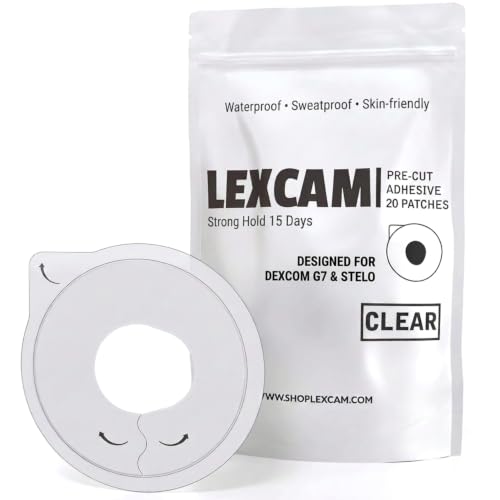
Lexcam Clear Over Patches offers clear coverage in a 20-pack and is compatible with Dexcom G7 and Stelo. The patch is described as waterproof, sweatproof, hypoallergenic and latex-free, with a strong hold claimed for up to 15 days. Its 3-inch length and 3-inch height give a useful sense of its overall footprint. This option fits shoppers who want a transparent cover without switching to tan fabric. The maker advises testing a small piece on the skin first; anyone with a known adhesive sensitivity should take that precaution seriously before applying a full patch.
Bottom line: Choose this for transparent G7 and Stelo coverage with a maker-claimed 15-day hold.
How to choose a Dexcom G7 overpatch
Start with sensor compatibility, then choose the patch material, coverage and color that suit your routine. Dexcom G7 sensors are designed for up to 10 days of wear, so a cover’s longer claimed grip does not extend the sensor’s approved wear period. A pre-cut opening should leave the sensor and its edges unobstructed; do not cover any part of the sensor that the device instructions say to keep exposed. Clear patches are less visible, while tan and woven options may feel or look different on skin. If you want an easy decision rule, choose a patch explicitly compatible with G7 and matching your preferred color; only pay attention to a longer hold claim if it covers your full sensor wear interval.
Applying an adhesive sensor cover
Apply an overpatch to clean, completely dry skin, because oils, lotion and moisture can weaken adhesive contact. Avoid placing adhesive over irritated or broken skin, and remove a patch if it causes a significant reaction. Keep the sensor’s insertion site and any openings clear, and press the patch edges down firmly; one maker specifically recommends pressing around the perimeter. Avoid stretching the patch during application, since tension can pull at the skin and lift edges. After swimming or showering, gently blot the area dry rather than rubbing it. These steps help reduce lifting, but no patch should be treated as a guarantee that a sensor will stay attached.
Patch material and coverage differences
Material affects feel, visibility and moisture handling, while patch shape affects how much skin the adhesive covers. Transparent tape-style covers suit shoppers who want to see the sensor; woven fabric offers a different texture and appearance. Full-coverage designs can protect more of the sensor area, but the opening still needs to fit the device without covering required sensor surfaces. The table summarizes the meaningful differences among these choices.
| Need | Option to prioritize |
|---|---|
| Transparent cover | Clear tape-style patch |
| Fabric feel | Woven fabric patch |
| More replacements per pack | 50-count pack |
| Compatibility with G7 and Stelo | Patch naming both devices |
Skin sensitivity and removal
Latex-free and hypoallergenic claims do not guarantee that an adhesive will suit every person. Adhesive reactions can occur even with products marketed for sensitive skin, so follow the maker’s advice to test a small area first when available. Remove patches slowly and gently rather than pulling quickly, which can irritate skin. If redness, itching or discomfort develops, stop using the patch and seek clinical advice if symptoms are severe or persist. Do not apply adhesive to damaged skin. For people managing diabetes, keep the sensor and its readings within the device maker’s use instructions; an overpatch is an adhesive aid, not a substitute for sensor-care guidance.
Frequently Asked Questions
How long should a Dexcom G7 overpatch stay on?
Dexcom G7 sensors are designed for up to 10 days of wear, and the overpatch should not be used to extend that sensor period. Some makers claim patch grip beyond 10 days, but the sensor’s own wear instructions still apply.
Can I swim with a Dexcom G7 overpatch?
Several options here are described as waterproof, but that does not guarantee a seal in every situation. After swimming, blot the patch dry gently and check that its edges remain attached.
How do I keep a sensor patch from peeling?
Apply the patch to clean, dry skin without lotion or oil, then press the edges firmly. Avoid stretching the adhesive as you place it, since tension can encourage lifting.
Can overpatch adhesive irritate sensitive skin?
Yes, latex-free or hypoallergenic labeling does not rule out an individual adhesive reaction. Test a small area first when the maker recommends it, and avoid applying adhesive to broken or irritated skin.
Should an overpatch cover the sensor opening?
No, keep the sensor and any required openings unobstructed. Use a patch cut for the device and check its placement so it does not cover sensor surfaces that the device instructions say to leave clear.