
Best Pinemeadow Golf Clubs: 4 Options Compared

Pinemeadow PGX MB Driver suits most golfers seeking a Pinemeadow club because its oversized 10.5-degree driver is designed for forgiveness off the tee. Choose Pinemeadow Excel EGI 45° Hybrid or Pinemeadow Excel EGI 36° Hybrid instead if you want a hybrid to replace an iron, or Pinemeadow 52°/56°/60° Wedge Set if you need wedges for shots near the green.
A driver is built for tee shots, hybrids bridge the gap between woods and irons, and wedges are short-lofted clubs for approach and recovery shots.
We earn a commission if you buy through links on this page. As an Amazon Associate I earn from qualifying purchases. Products are compared on manufacturer specifications, not hands-on testing.
- Best overall: Pinemeadow PGX MB Driver – The oversized head and 10.5-degree loft are aimed at forgiving tee shots.
- Best for right-handed hybrid play: Pinemeadow Excel EGI 45° Hybrid – This graphite-shaft hybrid is a 45-degree pitching-wedge replacement.
- Best for wedge gapping: Pinemeadow 52°/56°/60° Wedge Set – The steel set includes 52-, 56- and 60-degree wedges.
| Product | Best for | Club type | Loft | Hand | Shop |
|---|---|---|---|---|---|
| Pinemeadow PGX MB Driver | Tee-shot forgiveness | Driver | 10.5° | Right | Check Price on Amazon |
| Pinemeadow Excel EGI 45° Hybrid | Right-handed hybrid | Hybrid | 45° | Right | Check Price on Amazon |
| Pinemeadow 52°/56°/60° Wedge Set | Short-game coverage | Three wedges | 52° / 56° / 60° | Right | Check Price on Amazon |
| Pinemeadow Excel EGI 36° Hybrid | Left-handed hybrid | Hybrid | 36° | Left | Check Price on Amazon |
Pinemeadow golf clubs by type
Match the club to the shots you need to cover, then check the loft and hand before choosing.
Pinemeadow PGX MB Driver

For golfers who want a dedicated tee club, this driver differs from the hybrids and wedges here by its oversized head and 10.5-degree loft. It has a graphite shaft and regular flex. Pinemeadow says the expanded sweet spot supports forgiveness on off-center hits, while the loft promotes a higher launch. The right-hand configuration makes hand fit essential: left-handed golfers should choose another option. A driver is generally used from the tee, so this is not a substitute for a hybrid or a short-game wedge.
Bottom line: Choose this if you want a right-handed driver for tee shots.
Pinemeadow Excel EGI 45° Hybrid
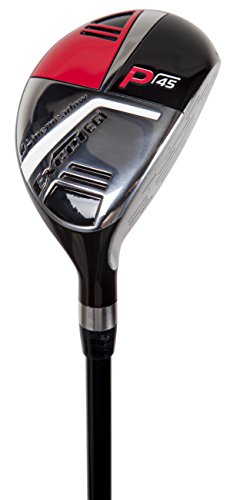
This 45-degree hybrid is the highest-lofted option in the Excel EGI family described here, making it a potential pitching-wedge alternative rather than a long-distance hybrid. It has a graphite shaft and regular flex. Pinemeadow says the head shape is usable from varied lies and that its weight distribution widens the sweet spot. The right-hand model will not fit a left-handed golfer, and one hybrid cannot replace every iron: compare its loft with the clubs already in your bag to avoid redundant gaps.
Bottom line: Pick this for a right-handed golfer seeking a high-lofted hybrid.
Pinemeadow 52°/56°/60° Wedge Set
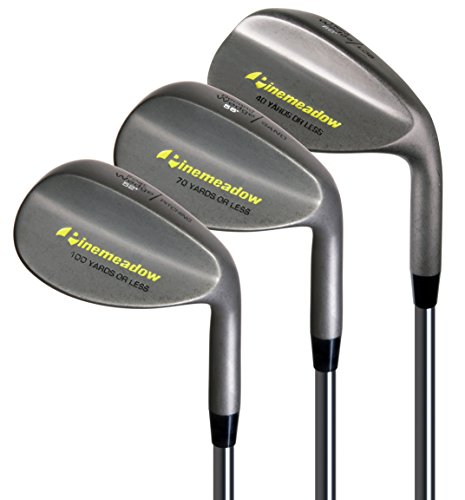
This set covers three short-game lofts, unlike the single driver and hybrid options. The wedges have steel shafts and a dark grey finish, and the set is configured for right-handed play. Pinemeadow says the expanded face area is intended to help golfers play from difficult lies while retaining control. The set is useful when your existing wedge setup needs these lofts, but it will not suit a left-handed player. Check your current wedge lofts before adding the set so neighboring clubs do not overlap.
Bottom line: Choose the set if you need right-handed wedges at these three lofts.
Pinemeadow Excel EGI 36° Hybrid

Handedness is the main difference here: this 36-degree Excel EGI hybrid is for left-handed golfers, while the 45-degree version is right-handed. The graphite shaft and regular flex suit players considering a hybrid in place of an iron. Pinemeadow says the head shape works from varied lies and the balanced weighting creates a wider sweet spot. At 36 degrees, it is a lower-lofted choice than the 45-degree hybrid, but it still should be compared with your current iron lofts to prevent an awkward distance gap.
Bottom line: Pick this if you are left-handed and want a 36-degree hybrid.
How to choose a Pinemeadow club
Start with the shot you need to cover: a driver is for tee shots, hybrids can replace harder-to-hit long or middle irons, and wedges handle shorter approach and recovery shots. A typical driver has roughly 8° to 12° of loft, while hybrids commonly span about 18° to 30°; wedge lofts often range from the mid-40s through the low-60s. These are broad category ranges, not guarantees of distance. Choose by the loft gap in your bag, not by the club label alone: if two adjacent clubs are only a few degrees apart, compare their carry distances before adding another. Also match hand orientation and shaft flex to the golfer.
How hybrid loft and hand affect fit
Hybrid loft is the key fit distinction between the two Excel EGI choices: 36° sits below 45°, and the models are for opposite hands. A useful starting point is to replace a club that is difficult to launch with a hybrid of similar loft, then check that the next club does not leave a large carry-distance gap. Loft alone cannot predict exact distance because swing speed, strike and shaft all matter. Right-handed players should not choose a left-handed head, even if the loft looks right. Compare the hybrid with the actual iron or wedge it would replace, especially if the golfer already carries a pitching wedge.
When a three-wedge set makes sense
A 52°/56°/60° set provides six degrees between each wedge, a common spacing pattern for a short-game setup. The key decision is whether those lofts complement the pitching wedge already in the bag; many pitching wedges are in the mid-40-degree range, but loft varies by iron model. A larger gap can make partial shots less predictable, while overlapping lofts can leave one club redundant. Match bounce and sole shape to turf and bunker conditions too: firmer ground often favors less bounce, while soft ground and fluffy sand generally call for more. Those specifications are not given for this set, so verify sole fit if conditions are a priority.
Safe handling and club care
Keep clubs dry after play and wipe dirt from grooves, since packed soil can interfere with clean contact and moisture can encourage rust on steel. Store clubs so heads cannot swing into people or damage nearby equipment; never take a full practice swing near another golfer. Inspect grips for slickness and shafts or heads for cracks before play, and stop using a damaged club. Golf clubs are not interchangeable by appearance alone: a head built for left-handed play will not suit a right-handed golfer. Use loft and hand markings to confirm fit before changing a club in your bag.
Frequently Asked Questions
What does a 45-degree hybrid replace?
A 45-degree hybrid can serve as a high-lofted iron or pitching-wedge alternative, depending on the lofts in your set. Compare it with the club immediately above it in loft so you do not add overlapping coverage.
Is a 36-degree hybrid more or less lofted?
A 36-degree hybrid has less loft than a 45-degree hybrid. The nine-degree difference may affect launch and carry, but actual distance also depends on swing and contact.
How far apart should wedge lofts be?
Wedge lofts are often spaced about 4° to 6° apart, though iron-set pitching-wedge lofts vary. Compare the set’s 52°, 56° and 60° clubs with your current wedge lofts before adding them.
Can a right-handed golfer use a left-handed club?
No; a club’s hand orientation determines which side of the head is built for the swing. Match the club’s handedness to the golfer, regardless of loft or shaft.
How often should golf club grips be replaced?
Many golfers replace grips about once a year or every 40 rounds, with sweat, weather and practice frequency affecting wear. Replace a grip sooner if it feels slick or is visibly cracked.