
Best Removable Tint for Car Windows: 5 Options

For removable tint for car windows, Car Side Window Static-Cling Film, 4-Piece is the clearest fit because it uses reusable static-cling and comes as four pieces sized for side windows. Choose G Greenfilm 20% Static-Cling Film, 24 × 82 in for a larger repositionable roll, or a different film if you want a vehicle-specific precut kit or permanent-style tint.
We earn a commission if you buy through links on this page. As an Amazon Associate I earn from qualifying purchases. Products are compared on manufacturer specifications, not hands-on testing.
- Best overall: Car Side Window Static-Cling Film, 4-Piece – Reusable static-cling pieces are sized for side windows and can be trimmed.
- Best for larger coverage: G Greenfilm 20% Static-Cling Film, 24 × 82 in – The 24-by-82-inch non-adhesive film can be repositioned or removed.
- Best for vehicle-specific fit: TRUE LINE Precut Automotive Tint Kit – The kit offers precut shapes customized for a selected vehicle and shade.
| Product | Best for | Attachment | Size | UV claim | Shop |
|---|---|---|---|---|---|
| Car Side Window Static-Cling Film, 4-Piece | Reusable side shades | Static cling | 24.8 × 16.5 in; 4 pieces | — | Check Price on Amazon |
| G Greenfilm 20% Static-Cling Film, 24 × 82 in | Larger roll coverage | Non-adhesive static cling | 24 × 82 in | 96% UV (brand claim) | Check Price on Amazon |
| Vepagoo 5% Ceramic Tint Roll, 20 in × 20 ft | Dark tint roll | Tint film; attachment not given | 20 in × 240 in | 99% UV (brand claim) | Check Price on Amazon |
| TRUE LINE Precut Automotive Tint Kit | Precut fit | Peel-and-install film | Vehicle-specific; all side and back windows | 99% UV (brand claim) | Check Price on Amazon |
Removable Tint for Car Windows
Compare attachment style and coverage first, since these options range from reusable side-window shades to tint film and an installation kit.
Car Side Window Static-Cling Film, 4-Piece

Reusable static-cling sets this four-piece side-window shade apart from adhesive-style tint film. Each piece measures 24.8 by 16.5 inches, and the film can be trimmed for a closer fit on a car, SUV, or truck side window. The included installation kit is a practical addition for a DIY fit. Choose it when temporary coverage and removal matter more than a vehicle-specific precut shape. The main limitation is its fixed piece size: buyers with unusually large or shaped windows may need to plan cuts carefully and check the window dimensions before ordering.
Bottom line: Pick this set for reusable, trimmable coverage on side windows.
G Greenfilm 20% Static-Cling Film, 24 × 82 in

The 24-by-82-inch sheet gives this removable film more continuous coverage than the four-piece side-window set. It is non-adhesive, installs with water, and can be repositioned or removed, so it suits temporary use or buyers who want to cut their own shapes. The brand says it blocks 96% of UV rays; its 20% visible light transmission means 20% of visible light passes through. This film is also labeled for residential use, so measure car glass carefully and confirm the cut size works for the intended window before installation.
Bottom line: Choose this sheet for a longer, repositionable piece of film.
Vepagoo 5% Ceramic Tint Roll, 20 in × 20 ft
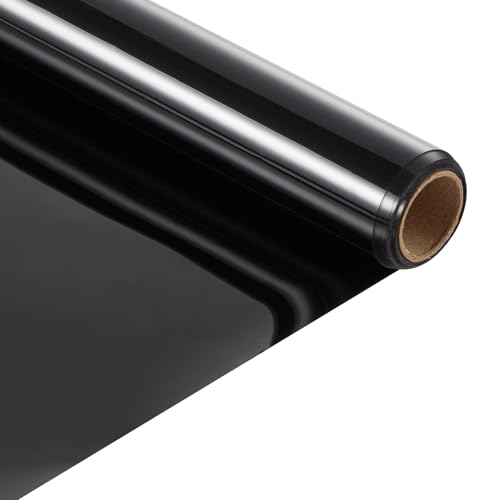
A 20-inch-wide, 20-foot-long roll makes this option distinct from the removable static-cling shades, but the maker does not identify it as removable. The film is 5% tint, and the brand says it blocks 99% of UV rays and avoids signal interference. Its roll format allows a buyer to cut pieces for side or rear windows, while the very dark shade is a poor match for anyone prioritizing a light cabin or easy visibility. Choose it only if a conventional tint roll, rather than reusable cling, fits the project.
Bottom line: Consider this roll only if removable cling is not essential.
TRUE LINE Precut Automotive Tint Kit

Vehicle-specific precut shapes separate this kit from the sheets that require the buyer to trim them. It is intended for side and back windows, offers 5%, 20%, 35%, or 50% shade choices, and the brand says it blocks 99% of UV rays. It suits a buyer who values a tailored cut and a selected shade more than temporary installation; choose the vehicle and shade carefully before committing.
Bottom line: Pick this kit for vehicle-specific precut shapes, not reusable cling.
How to Choose Removable Car Window Tint
Start with the attachment method: static-cling film can be repositioned or removed, while an adhesive tint kit is a different kind of installation. Visible light transmission (VLT) is the share of visible light that passes through; a 20% VLT film passes 20% and blocks the rest of visible light. A lower VLT means a darker window, not a guarantee of privacy in every lighting condition. Match coverage to the glass: a four-piece set and a 24-by-82-inch roll call for different measuring and cutting plans. If you need film that comes off cleanly, choose an option explicitly identified as static-cling or non-adhesive rather than assuming every window tint roll is removable.
Measure Car Windows Before Cutting Film
Measure each window’s visible glass width and height before trimming, and allow a small margin to refine the fit. Curved glass, window seals, and the shape of the glass can reduce the usable area, so a rectangular sheet’s full dimensions do not equal finished coverage. A useful decision rule is to avoid a sheet narrower than the widest glass area you need to cover; seams can create gaps and uneven appearance. For a multi-window project, measure each pane separately instead of assuming left and right sides match. Clean, smooth glass matters for cling film because dust or residue can keep the film from sitting flat; avoid cutting against the glass with a blade.
Understand Tint Darkness and Visibility
VLT describes visible light passing through the film: 5% is much darker than 20%, while 50% is lighter. Privacy also depends on the light on each side of the glass; a daytime one-way effect can reverse after dark when the cabin is brighter than outside. Darker tint can make it harder to see through windows, especially at night, so do not choose by privacy alone. State and local rules set limits for automotive window tint, and allowed VLT can differ by window and vehicle type. Check the rules for your location before applying any film, particularly on front side windows and the windshield.
| Need | Type to consider | Key tradeoff |
|---|---|---|
| Temporary fit and removal | Static-cling or non-adhesive film | Measure and trim for each pane |
| Vehicle-specific cut | Precut tint kit | Not identified as reusable cling |
| Custom-length material | Tint roll | Removability depends on attachment type |
Install and Remove Cling Film Carefully
Static-cling film is generally positioned on clean glass with moisture, then smoothed to push out trapped water and air. Work gradually from the center toward the edges to reduce bubbles, and trim only after checking the fit. Keep the film clear of moving window seals so it does not catch when the glass is lowered. For removal, peel slowly from a corner rather than pulling sharply, which can stretch thin film. Never obscure a required view or use tint in a way that compromises safe driving; maintain clear sightlines through the windshield and mirrors. Tint legality and visibility requirements still apply to removable products.
Frequently Asked Questions
What does 20% VLT mean on car tint?
A 20% VLT film lets 20% of visible light pass through and blocks 80% of visible light. VLT does not by itself describe heat rejection or guarantee privacy after dark.
Can removable tint be used on curved car glass?
Some cling films can be trimmed for a window’s shape, but a flat sheet may not sit smoothly on strongly curved glass. Test fit before final trimming and do not force film into a seal or crease.
Does daytime privacy tint work at night?
A one-way daytime effect depends on which side of the glass is brighter. At night, a lit cabin can make the inside more visible, so do not rely on tint as nighttime privacy.
How should I clean glass before applying cling tint?
Remove dust, oil, and residue so the film can sit flat against the glass. A clean, smooth surface helps reduce bubbles; keep lint and debris away during placement.
Are removable window tints legal in every state?
No single VLT rule applies everywhere; state limits can differ by window position and vehicle type. Check local requirements before applying film, especially on front side windows and the windshield.