
Best Repellent for No-See-Ums: 3 Options Compared

NatureStop No-See-Ums Repellent, 6 oz is the best fit for most people because it is specifically made to repel no-see-ums and comes in a 6-ounce spray. Choose Best Bee Brothers Shake + Shield Mist, 2 oz, 2-Pack for compact bottles or Sawyer SP564 Picaridin Lotion, 4 oz if you want a 20% picaridin lotion for a range of biting insects.
No-see-ums are tiny biting midges, so exposed-skin coverage matters; apply any repellent only as its label directs.
We earn a commission if you buy through links on this page. As an Amazon Associate I earn from qualifying purchases. Products are compared on manufacturer specifications, not hands-on testing.
- Best overall: NatureStop No-See-Ums Repellent, 6 oz – Its 6-ounce DEET-free spray is specifically made to repel no-see-ums.
- Best for travel: Best Bee Brothers Shake + Shield Mist, 2 oz, 2-Pack – The two 2-ounce bottles each provide over 370 sprays, according to the product.
- Best for broad insect coverage: Sawyer SP564 Picaridin Lotion, 4 oz – The 20% picaridin lotion is claimed to repel flies, gnats, mosquitoes and ticks.
| Product | Best for | Formula | Package size | Target pests | Shop |
|---|---|---|---|---|---|
| NatureStop No-See-Ums Repellent, 6 oz | Everyday outings | Natural oils; DEET-free spray | 6 oz | No-see-ums | Check Price on Amazon |
| Best Bee Brothers Shake + Shield Mist, 2 oz, 2-Pack | Compact travel | Lemongrass, geranium, peppermint oils | 2 × 2 oz | No-see-ums, mosquitoes, ticks, sand flies | Check Price on Amazon |
| Sawyer SP564 Picaridin Lotion, 4 oz | Multi-pest coverage | 20% picaridin lotion | 4 oz | Flies, gnats, mosquitoes, ticks, chiggers | Check Price on Amazon |
No-see-ums repellents compared
Compare the formula, container size and stated pest coverage to find a fit for your outings.
NatureStop No-See-Ums Repellent, 6 oz

NatureStop No-See-Ums Repellent, 6 oz is the largest single container among the specifically targeted options, with a 6-ounce spray made for no-see-ums. The DEET-free formula uses natural oils, and the product says it can be applied to skin and clothing before outdoor activities, with reapplication as needed. Its size suits beach trips, hikes or camping when a pocket bottle is not the priority. The tradeoff is that the featured ingredients are not identified by name, which matters to buyers comparing particular oils or checking for an ingredient sensitivity. Follow the label for application and reapplication.
Bottom line: Choose it for a dedicated no-see-um repellent in a larger single spray.
Best Bee Brothers Shake + Shield Mist, 2 oz, 2-Pack
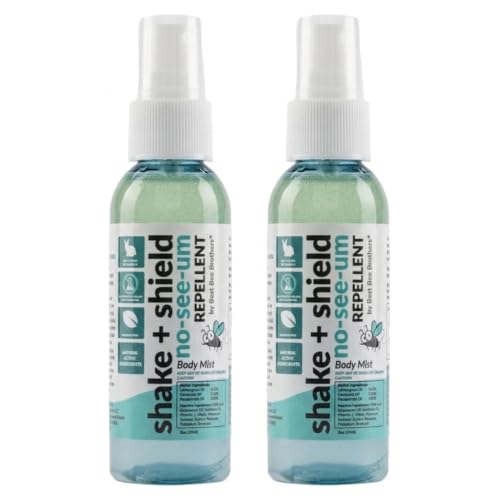
Best Bee Brothers Shake + Shield Mist, 2 oz, 2-Pack stands out for its two compact mist bottles and named essential oils: lemongrass, geranium and peppermint. Each 2-ounce bottle provides over 370 sprays, according to the product, and the mist is intended for exposed skin and clothing. The two-bottle format suits travelers who want to keep one in a bag and another ready for an outing. It is a smaller container per bottle than NatureStop No-See-Ums Repellent, 6 oz, so it may be less convenient for frequent, extended use. The product directs users to apply only as its label says and reapply as needed.
Bottom line: Pick it when compact bottles and named essential oils matter most.
Sawyer SP564 Picaridin Lotion, 4 oz

Sawyer SP564 Picaridin Lotion, 4 oz differs from the other choices with a 20% picaridin lotion rather than a natural-oil mist or spray. The product claims protection for up to 8 hours against flies, gnats and chiggers, and up to 12 hours against mosquitoes and ticks; it does not specifically name no-see-ums. It also says the lotion dries quickly and will not damage plastics or synthetic coatings, making it a possible choice for outings with gear. Buyers seeking a product explicitly targeted to no-see-ums should favor one of the other two options.
Bottom line: Choose it for a picaridin lotion with broad stated insect coverage, not a no-see-um-specific formula.
How to choose a no-see-ums repellent
Start with the label’s named pests and application directions, then choose the format you will apply consistently. No-see-ums are biting midges, small flies that can get through many ordinary window screens; repellents labeled for mosquitoes alone are not automatically labeled for midges. Sprays and mists make broad coverage easier, while lotion can help apply product precisely to exposed skin. For a day outdoors, plan to cover all exposed skin according to the label rather than relying on a single application to clothing. If you want protection from several pest types, compare the specific pests and duration the product claims, not just the word “insect.”
Where no-see-ums can get through
Fine mesh matters because no-see-ums are much smaller than mosquitoes and may pass through standard insect screening. A common fine-screen specification is 20 × 20 mesh, though opening size and wire diameter also determine what gets through. Long sleeves, long pants and socks reduce exposed skin; tuck pants into socks when practical. For a measurable decision, choose clothing that covers arms and legs when you expect to be outside near marshes, beaches or other damp habitats, then use a repellent labeled for the pest on remaining exposed skin. Avoid assuming that treating clothes is suitable for every formula; use clothing application only when the label permits it.
How to apply insect repellent safely
Apply repellent to exposed skin as directed, and keep it away from eyes and mouth; for the face, apply to hands first rather than spraying directly. Use outdoor sprays in a ventilated area and avoid inhaling mist. Repellent does not replace clothing, and sunscreen and repellent have different jobs: apply sunscreen first and repellent afterward when both are needed. Follow label reapplication intervals instead of spraying repeatedly on a fixed schedule. For children, an adult should apply the product and keep it off small hands; check the label age guidance before use. Wash treated skin with soap and water when you return indoors.
Natural oils and picaridin compared
Plant-oil formulas and picaridin are different active-ingredient approaches, so compare the product label’s pests and use directions rather than treating them as interchangeable. Picaridin is a topical repellent; concentration and formulation affect how long protection is claimed to last. Essential-oil products can name several oils, but the ingredient name alone does not establish a protection duration. For no-see-ums, choose a product that explicitly names them when that pest is your main concern. A product that names flies or gnats may be relevant, but check whether its label includes the specific biting midge before relying on it for that purpose.
Frequently Asked Questions
What are no-see-ums and where do they bite?
No-see-ums are tiny biting midges, and bites commonly occur on exposed skin. Long sleeves, pants and socks reduce exposed areas, especially around damp coastal or marsh environments.
Can no-see-ums get through window screens?
Yes, no-see-ums can pass through ordinary insect screens because they are smaller than mosquitoes. Fine mesh such as 20 × 20 is commonly used to block smaller insects, though actual performance also depends on the opening size.
How often should I reapply no-see-um repellent?
Use the interval on the specific product label because protection time depends on its formula and the pests named. Do not assume that every repellent lasts all day or that a product’s mosquito duration applies to no-see-ums.
Should I apply repellent to my clothes or skin?
Apply it only to the surfaces allowed by its label; some products permit skin and clothing, while directions vary. Covering arms and legs with clothing can reduce exposed skin without applying repellent to every area.
How can I protect children from no-see-ums?
Use clothing that covers arms and legs, then apply repellent according to the label’s age directions. An adult should apply it, keep it away from a child’s eyes and mouth, and avoid applying it to small hands.