
Best Under-Hood Rodent Repellers for Cars Compared

Ultrasonic Car Engine Repeller, 22–50 kHz suits most drivers because it combines battery, USB, and vehicle power with a vibration sensor that pauses while driving. Choose Battery Ultrasonic Under-Hood Repeller instead if you want a cordless unit powered by three AA batteries, or Loraffe 12V/24V Under-Hood Repeller if you need a 12V/24V connection.
Under-hood rodent repellers use sound, flashing lights, or both as deterrents; they are not a substitute for checking the engine bay for nesting or damage.
We earn a commission if you buy through links on this page. As an Amazon Associate I earn from qualifying purchases. Products are compared on manufacturer specifications, not hands-on testing.
- Best overall: Ultrasonic Car Engine Repeller, 22–50 kHz – Offers battery, USB, and car power, plus a motion sensor that pauses the device while the vehicle moves.
- Best for cordless use: Battery Ultrasonic Under-Hood Repeller – Runs on three AA batteries and does not require a vehicle-battery connection.
- Best for 12V/24V power: Loraffe 12V/24V Under-Hood Repeller – Uses a 12V/24V connection and combines variable-frequency ultrasound with three LED strobes.
| Product | Best for | Ultrasonic range | Power | Pack size | Shop |
|---|---|---|---|---|---|
| Ultrasonic Car Engine Repeller, 22–50 kHz | Flexible power | 22–50 kHz | Battery, USB, or car power | 1 pack | Check Price on Amazon |
| Loraffe 12V/24V Under-Hood Repeller | Vehicle power | 25–55 kHz | 12V/24V | — | Check Price on Amazon |
| Ultrasonic Car Engine Repeller, 2-Pack | Multiple power modes | 18–36 kHz | 4 AA, 5–12V USB, or DC | 2 pack | Check Price on Amazon |
| Battery Ultrasonic Under-Hood Repeller | Cordless installation | Variable frequency | 3 AA batteries | — | Check Price on Amazon |
| Four-Pack Ultrasonic Car Repeller | Four-unit setups | 8–56 kHz | — | 4 pack | Check Price on Amazon |
Under-Hood Rodent Repellers Compared
Compare power options, frequency ranges, and included quantities before choosing a unit for your engine bay.
Ultrasonic Car Engine Repeller, 22–50 kHz

Ultrasonic Car Engine Repeller, 22–50 kHz stands out for its choice of battery, USB, or car power, so it can suit different parked-vehicle setups. The maker says its 22–50 kHz sweeping ultrasound works with pulsating LED strobes, while the vibration sensor pauses operation in motion and reactivates when the vehicle stops. A multidirectional transducer is intended to reduce sound dead zones in the engine bay. This is a useful fit when you want more than one power route, but the maker does not identify a battery type, so confirm that before relying on battery operation.
Bottom line: Pick this if you want several power options and motion-sensing operation.
Loraffe 12V/24V Under-Hood Repeller
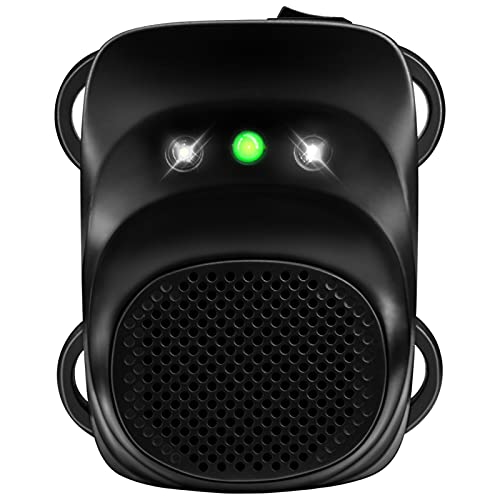
Loraffe 12V/24V Under-Hood Repeller is the direct choice for an engine-bay setup with a 12V or 24V power connection, unlike battery-focused alternatives. The maker says variable-frequency 25–55 kHz ultrasound and three flashing LED strobes help deter rodents; vibration sensing puts the unit into standby while the vehicle is moving. Its compact 3.07-by-2.68-by-0.95-inch body is suited to a tight mounting area. The tradeoff is power flexibility: choose another option if you need standalone battery operation or USB power.
Bottom line: Choose this for a 12V/24V vehicle-powered installation.
Ultrasonic Car Engine Repeller, 2-Pack

Ultrasonic Car Engine Repeller, 2-Pack is supplied as a two-pack and supports three power modes: four AA batteries, 5–12V USB, or DC car power. The maker says 18–36 kHz ultrasound and flashing LEDs form its dual deterrent, and claims more than three months of standby on four AA batteries. That mix can help if you want two units or need to switch between power sources. The multi-mode setup is more involved than a battery-only unit, so check that the intended installation location can accommodate your chosen power connection.
Bottom line: Pick this if you want two units and several power modes.
Battery Ultrasonic Under-Hood Repeller

Battery Ultrasonic Under-Hood Repeller is the cordless option here: it runs on three AA alkaline batteries and needs no wiring or vehicle-battery connection. The maker says it pairs variable-frequency ultrasound with dual flashing LED strobes and uses engine-vibration detection to enter standby. That can simplify placement in parked vehicles or seasonal equipment without an accessible power connection.
Bottom line: Choose this for a simple, unwired battery-powered setup.
Four-Pack Ultrasonic Car Repeller

Four-Pack Ultrasonic Car Repeller is the four-unit option and has the broadest ultrasonic range among these choices, from 8–56 kHz. Its maker describes ultrasonic deterrence for vehicle engine compartments as well as indoor spaces such as garages. The four-pack may suit a buyer planning several locations, but the features do not establish the power method or explain how the units are divided between locations. Confirm the power arrangement and intended installation before choosing this set over a single unit or a model with a specified vehicle connection.
Bottom line: Pick this if you need four units and can verify the power setup.
How to choose an under-hood rodent repeller
Choose first by power source and installation space, then compare the deterrent features. Battery units avoid a vehicle connection, while USB/DC and 12V/24V options need a compatible power route. Ultrasonic frequencies alone do not establish real-world effectiveness: sound can be blocked by engine components, and no repeller should be treated as a guarantee against nesting or chewing. Consider whether you need a motion sensor, flashing strobes, or multiple units for separate vehicles. Use this quick comparison to narrow the setup, then confirm that the chosen unit can be mounted away from hot or moving parts.
Typical engine bays contain belts, fans, and hot surfaces, so install only when the engine is cool and keep the unit and wiring clear of them. Never reach into an engine compartment while the engine is running.
| Need | Choice | Reason |
|---|---|---|
| Battery-free placement | Vehicle-powered unit | Uses a 12V/24V, USB, or DC route |
| No wiring connection | AA-powered unit | Runs from replaceable batteries |
| Several locations | Multipack | Includes multiple units |
Where to install a car rodent repeller
Mount an under-hood unit in a stable, dry area away from the exhaust, belts, radiator fan, and other moving or hot parts. A device wedged behind metal components may have less room to project sound or flash visibly, so prefer an open mounting spot that does not obstruct service access. Do not attach a unit where it can fall onto a belt or contact hot engine surfaces. Installation should be done with the engine off and cool; keep hands and loose clothing clear of moving parts whenever the hood is open. Check the mounting and power lead after service work, since maintenance can shift a device or its wiring.
What ultrasonic and strobe features mean
Ultrasonic repellers emit sound above the range most people hear, and the units here state different frequency ranges. A wider frequency span is a product specification, not proof that a device will prevent rodent damage. Sound can be obstructed by engine parts, while flashing LEDs need a visible path to be useful as a light-based deterrent. Motion sensing can suspend operation while a vehicle is moving, but buyers should not assume every device uses the same trigger or reactivation behavior. Combine a repeller with routine visual checks under the hood, especially after a vehicle has been parked for a long time.
How to reduce rodent risks around a parked car
Keep food, pet food, and nesting material out of the vehicle and clean up nearby debris that can provide shelter. Rodents can chew wiring and build nests in sheltered engine compartments, so inspect for droppings, nesting material, and damaged insulation before driving after long storage. A repeller is a deterrent, not a repair or a guarantee; have damaged wiring assessed before use because electrical faults can create additional hazards. If activity persists, consider a broader pest-control approach around the parking area rather than relying on an under-hood device alone.
Frequently Asked Questions
Do ultrasonic under-hood rodent repellers always work?
No repeller guarantees that rodents will stay away. Engine components can block sound, so pair a device with regular inspections and removal of food or nesting material near the vehicle.
Can I install a rodent repeller with the engine hot?
Wait until the engine is cool before reaching into the engine bay. Hot exhaust and moving fans or belts can cause injury, so mount the device clear of those areas with the engine off.
How often should I check under my car hood?
Check before driving after the vehicle has sat unused for an extended period, and inspect periodically during long-term storage. Look for nesting material, droppings, and chewed insulation; damaged wiring needs attention before driving.
Can a repeller drain my car battery?
A unit connected to vehicle power can draw power while the vehicle is parked, depending on its design and standby behavior. If the car will sit for weeks, choose a battery-powered model or confirm how the connected unit behaves when parked.
Where should I mount an under-hood repeller?
Use a stable, open spot away from hot surfaces, belts, and fans. Keep it clear of service access and secure any power lead so it cannot fall into moving parts.