
Best Wrestling Head Gear: 5 Picks by Fit and Design

Cliff Keen Tornado Headgear is the best wrestling head gear for most wrestlers because its PowerTab straps are designed for a faster fit, and the maker says it is 43% lighter than traditional headgear. Choose another style if you need a youth-specific design, a traditional four-strap harness or a neoprene ear guard for grappling.
We earn a commission if you buy through links on this page. As an Amazon Associate I earn from qualifying purchases. Products are compared on manufacturer specifications, not hands-on testing.
- Best overall: Cliff Keen Tornado Headgear – PowerTab strapping supports a faster fit; the maker says it is 43% lighter than traditional headgear.
- Best for classic harness fit: adidas aE100 Response Headgear – Four adjustable vinyl straps and molded ear cups give it a traditional harness design.
- Best for youth fit: Trymaker Youth Headgear – Its five-point adjustment system is intended for ages 10 and up.
| Product | Best for | Fit system | Ear protection | Shop |
|---|---|---|---|---|
| Cliff Keen Tornado Headgear | Lightweight fit | PowerTab straps | — | Check Price on Amazon |
| adidas aE100 Response Headgear | Classic harness | Four adjustable vinyl straps | Injection-molded plastic cups | Check Price on Amazon |
| Trymaker Youth Headgear | Youth wrestlers | Five-point adjustment | Polycarbonate shell, EVA foam | Check Price on Amazon |
Wrestling Head Gear Compared
Compare the fit systems and ear-cup designs to match your training needs.
Cliff Keen Tornado Headgear
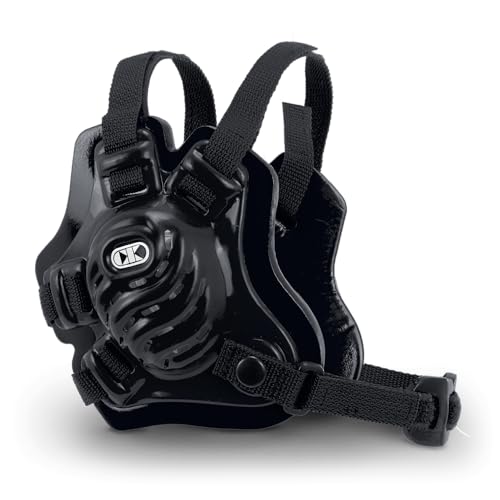
Cliff Keen Tornado Headgear stands apart for its PowerTab strapping system, which the maker says creates a faster fit, and its built-in Greater Audible Sound technology. The one-size design comes in black, and its compact stated dimensions are 9 inches long, 5 inches wide and 3 inches high. The maker also says the design is 43% lighter than most traditional headgear and can be wiped clean to combat bacterial buildup. Its limitation is that the fields do not identify the cup material or a weight in ounces, so wrestlers who need those specifics should compare another option.
Bottom line: Choose this for quick strap adjustment and the maker’s lighter-design claim.
adidas aE100 Response Headgear

adidas aE100 Response Headgear is the traditional harness choice, with four adjustable vinyl straps and injection-molded plastic inside the ear cups. Foam covers the cups, and a soft chin pad adds contact cushioning. The one-size black design is listed at 6.9 ounces, making its weight a clear comparison point against models without an ounce figure. This style suits wrestlers who want separate strap adjustment around the head and rigid cup inserts. The tradeoff is its multiple strap points, which take more adjustment than a simpler system.
Bottom line: Pick this if you want a conventional four-strap setup with molded cups.
Trymaker Youth Headgear

Trymaker Youth Headgear is the youth-focused option: its five-point adjustment system is intended for users age 10 and older, and a top strap connector helps keep the fit in place. Its ear guard combines a molded polycarbonate inner shell with an EVA foam outer layer; the chin area uses a silicone cup. Ear openings are designed to allow communication with coaches and teammates. The color is white with white straps. The age guidance makes this a less direct choice for younger children or adults seeking a non-youth fit.
Bottom line: Choose this for a wrestler age 10 or older who wants multiple fit adjustments.
How to choose wrestling head gear
Start with the fit system and ear-cup construction, because a stable fit and impact-absorbing guard matter more than color. Traditional designs commonly use three or four straps; adjust them snugly enough to prevent rotation without creating pressure points. Rigid molded cups resist direct contact, while foam or soft covers cushion the ear. A chin cup can help anchor a design, but it should not force the jaw into an uncomfortable position. If you cannot keep the guards centered over both ears after adjusting the straps, choose a different fit system rather than tightening until the headgear hurts.
Headgear fit and sizing
Most wrestling headgear is sold in one size, but one size does not guarantee the same fit across brands. Check that the ear guards fully cover the ears and that straps stay clear of the eyes and do not slip during head movement. Adjust top and rear straps before tightening the chin area; uneven tension can pull the cups off center. Youth age guidance is a useful starting point, not a substitute for fit: measure the wrestler’s head if the maker supplies a size chart. Do not use a headgear that shifts enough to expose the ear during a hand fight.
Wrestling headgear styles compared
Traditional harness headgear uses adjustable straps to position cups; flexible neoprene guards trade rigid structure for a softer fit. Choose by the combination of coverage and construction that matches your practice.
| Style | Typical construction | Useful when |
|---|---|---|
| Harness | Three or four straps, molded cups | You want separated strap adjustment and a defined cup |
| Soft guard | Neoprene with a closure | You prefer flexible coverage for grappling |
| Chin-cup design | Adjustable straps plus chin cup | You want the chin area included in the fit |
Headgear is not a guarantee against ear injury; fit and safe practice habits both matter.
Cleaning and safe use
Clean wrestling headgear after sweaty practices and let it dry fully before storing it; trapped moisture can encourage odor and material wear. Wipe hard cups and foam covers with a damp cloth and mild soap, then air-dry away from direct heat. Neoprene guards also need thorough drying, especially around seams and closures. Inspect straps, stitching, and cup edges before practice; replace gear with a broken strap, cracked shell, or sharp edge. Headgear reduces direct contact but does not eliminate injury risk, so stop if ear pain, swelling or skin damage develops and seek appropriate medical advice.
Frequently Asked Questions
How tight should wrestling headgear fit?
Wrestling headgear should feel secure without pinching or pulling the ears. After adjusting the straps, move your head side to side; if the cups slide off center, readjust or try another fit.
Can wrestling headgear prevent cauliflower ear?
Headgear helps shield the ears from contact but cannot guarantee prevention. Ear swelling after impact needs prompt medical attention, since early assessment can matter.
How often should wrestling headgear be cleaned?
Wipe down headgear after sweaty practices and let it dry completely before storage. Clean sooner if sweat or dirt remains on the straps, cups or closures.
Can the same ear guard work for wrestling and BJJ?
Some designs are marketed for both, but fit and competition rules differ by activity. Check that the guard stays centered during grappling and confirm event rules before wearing it.
How do I know when headgear straps need replacing?
Replace straps that fray, stretch enough to loosen repeatedly or no longer hold the ear cups in place. Check strap stitching and closures before each practice.