
Bottled Lo Mein Sauce: Noodle Sauces Compared

Legend Cookhouse Lo Mein Sauce, 12 oz is the direct match for bottled lo mein sauce because it is specifically marketed for lo mein and chow mein noodles. Choose a different option if you want a teriyaki-style sauce, a larger bottle for multiple meals, or a low-sodium sesame teriyaki.
Lo mein sauce is a savory cooking sauce tossed with noodles and other stir-fry ingredients; the right amount depends on the noodle quantity and how strongly seasoned you want the dish.
We earn a commission if you buy through links on this page. As an Amazon Associate I earn from qualifying purchases. Products are compared on manufacturer specifications, not hands-on testing.
- Best overall: Legend Cookhouse Lo Mein Sauce, 12 oz – Specifically marketed for lo mein and chow mein, with a 12-ounce bottle.
- Best for rice noodles: Golden Boy Stir-Fry Sauce, 17 oz – A 17-ounce stir-fry sauce is marketed for rice noodles and chow mein.
- Best for lower sodium: Best of Thailand Sesame Teriyaki Lite, 2-Pack – A two-bottle sesame teriyaki option is promoted as having 85% less sodium.
| Product | Best for | Bottle size | Pack count | Best use | Shop |
|---|---|---|---|---|---|
| Legend Cookhouse Lo Mein Sauce, 12 oz | Lo mein noodles | 12 oz | 1 bottle | Lo mein, chow mein | Check Price on Amazon |
| Golden Boy Stir-Fry Sauce, 17 oz | Rice noodles | 17 oz | 1 bottle | Rice noodles, chow mein | Check Price on Amazon |
| La Choy Teriyaki Stir Fry Sauce, 14.5 oz | Teriyaki flavor | 14.5 oz | 1 bottle | Teriyaki stir-fries, marinades | Check Price on Amazon |
| Best of Thailand Sesame Teriyaki Lite, 2-Pack | Sesame teriyaki | 23.65 oz each | 2 bottles | Teriyaki, marinades, dipping | Check Price on Amazon |
Bottled Lo Mein Sauce Options
These options range from a sauce marketed specifically for lo mein to broader stir-fry and teriyaki alternatives.
Legend Cookhouse Lo Mein Sauce, 12 oz

Unlike the broader stir-fry and teriyaki options here, Legend Cookhouse is specifically marketed for lo mein and chow mein. The 12-ounce bottle is also presented for fried rice, vegetables, chicken, beef, and shrimp, so it can cover more than a noodle dish. The brand describes its flavor as a savory Caribbean Chinese fusion, with balanced sweetness and saltiness. It suits cooks seeking a bottled sauce expressly intended for lo mein. The tradeoff is its smaller bottle compared with the 17-ounce noodle-focused alternative, which may matter when cooking for a crowd or making several meals.
Bottom line: Choose this when lo mein-specific use matters more than getting the largest bottle.
Golden Boy Stir-Fry Sauce, 17 oz

Golden Boy stands out for its 17-ounce bottle and explicit mention of rice noodles, making it a useful broader noodle-stir-fry option rather than a sauce identified specifically for lo mein. The brand presents it as a ready-to-use savory blend for chow mein and other Asian dishes, including meals with vegetables, meat, or seafood. That ready-to-use format suits quick skillet cooking without assembling multiple seasonings. Its main limitation is the wider stir-fry positioning: choose a lo mein-specific sauce if that named use is your priority.
Bottom line: Pick this for rice-noodle dishes or when a larger single bottle is useful.
La Choy Teriyaki Stir Fry Sauce, 14.5 oz
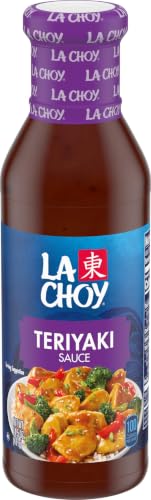
La Choy is the teriyaki-style alternative in this group, not a sauce marketed specifically for lo mein. The 14.5-ounce bottle is positioned for stir-fries and marinades, including chicken, beef, pork, vegetables, fried rice, egg rolls, and broccoli beef. Its attributes include gluten-free and no artificial flavors, preservatives, or colors. This is a fit for cooks who want a teriyaki direction across noodles and other meals. The limitation is flavor style: a teriyaki profile may not suit someone seeking a more general savory lo mein sauce.
Bottom line: Choose it when teriyaki flavor and marinade versatility are the deciding factors.
Best of Thailand Sesame Teriyaki Lite, 2-Pack

Best of Thailand differs from the noodle-focused choices with a sesame teriyaki style, a two-bottle pack, and a low-sodium positioning. The specifications describe a thick sauce with whole sesame seeds and uses including marinade, glaze, salad dressing, and dipping sauce. The brand promotes it as having 85% less sodium than traditional teriyaki sauce. Those traits make it suited to cooks who want sesame teriyaki beyond a noodle stir-fry. It is a less direct lo mein fit, so choose it only if that sweeter, thicker teriyaki style is welcome in the dish.
Bottom line: Pick this for sesame teriyaki versatility rather than a dedicated lo mein sauce.
How to Choose Bottled Lo Mein Sauce
Choose a sauce based on whether you want a lo mein-specific savory flavor or a distinct style such as teriyaki. Lo mein is typically made with wheat noodles, while chow mein can refer to noodles that are cooked or crisped differently; bottled sauces sold for both are generally intended to season a hot noodle-and-vegetable mixture. Start with about 1 tablespoon of sauce per serving, toss, then add more gradually: noodles, vegetables, and proteins all affect how much seasoning the pan needs. For a stronger sauce flavor, add it near the end and coat the ingredients rather than pouring in a large amount at once. Check the package’s ingredient and allergen statements if you avoid soy, wheat, sesame, or other ingredients.
Lo Mein Noodles and Stir-Fry Fit
Lo mein works best with noodles that can be boiled, drained, and tossed without breaking apart. Dried wheat noodles are widely used; fresh lo mein noodles need less cooking time, so use their package timing and drain them well before they reach the pan. A wet noodle surface can dilute sauce and make a stir-fry soggy. For a home skillet, cook noodles separately, stir-fry vegetables and protein, then combine everything with sauce for the final toss. Keep the pan uncrowded: cook in batches if the ingredients cover the bottom in a deep layer, since crowding encourages steaming instead of browning. This method works with a lo mein-specific sauce or a broader stir-fry sauce, but a teriyaki option changes the flavor direction.
Lo Mein Sauce Styles Compared
Lo mein-labeled sauces are the closest fit when you want a bottle marketed directly for noodle dishes; stir-fry sauces can cover noodles more broadly, while teriyaki sauces bring their own sweet-savory style. The label’s intended use helps narrow the choice, but the cooking method still matters: a sauce designed for marinades or dipping may be thicker or more concentrated than one intended to coat a hot pan. Use this comparison to match the type to the meal rather than treating every Asian-style sauce as interchangeable.
| Sauce style | Useful for | What to consider |
|---|---|---|
| Lo mein / chow mein | Noodle stir-fries | Closest match for a lo mein-specific flavor |
| General stir-fry | Noodles, rice, vegetables, proteins | Broader use; check whether it names noodles |
| Teriyaki | Marinades, glazes, stir-fries | Choose when teriyaki flavor suits the dish |
Cooking and Storing Bottled Sauce
Add bottled sauce after noodles and other ingredients are cooked, then toss over medium-high heat just long enough to coat and warm it through. A small first pour is easier to correct than an over-seasoned pan, especially because many sauces combine salty and sweet flavors. Keep raw meat and seafood separate from cooked noodles and vegetables; wash hands and utensils after handling raw ingredients, and cook proteins to safe internal temperatures using a food thermometer. Refrigerate opened sauce according to its package directions, and do not leave perishable cooked food at room temperature for more than 2 hours, or 1 hour above 90°F. These steps help preserve both flavor and food safety.
Frequently Asked Questions
How much lo mein sauce should I use per serving?
Start with about 1 tablespoon per serving and toss before adding more. The amount changes with the noodle portion, vegetables, protein, and how strongly seasoned you prefer the dish.
Should I cook noodles before adding lo mein sauce?
Yes, cook and drain noodles before tossing them into the stir-fry. Fresh noodles may cook faster than dried noodles, so use their package timing and drain thoroughly to avoid watering down the sauce.
Can teriyaki sauce work in lo mein?
Yes, teriyaki sauce can season lo mein, but it gives the dish a teriyaki flavor rather than a more general lo mein-style profile. Add it gradually because thick sauces can coat noodles heavily.
How do I keep lo mein from becoming soggy?
Drain noodles well and avoid crowding the pan; cook ingredients in batches if they form a deep layer. Toss everything with sauce at the end so the noodles are coated without sitting in excess liquid.
How long can cooked lo mein sit out safely?
Refrigerate cooked lo mein within 2 hours, or within 1 hour when the room is above 90°F. Keep raw meat utensils separate from cooked food, and reheat leftovers thoroughly.