
Burlap for Wrapping Trees: 3 Roll Sizes Compared

For most tree wrapping, Liaycco 60-Inch x 100-Foot Burlap is the most versatile pick because its 60-inch width and 100-foot length provide broad coverage for multiple trees. Choose Burloptuous 40-Inch x 15-Foot Burlap for narrower jobs or a shorter project; choose Buryeah 72-Inch x 33-Foot Burlap when you need the widest roll.
Burlap is a breathable woven jute fabric used to shield trunks and plants from exposure. Match the roll width to the area you need to cover, and avoid wrapping so tightly that the trunk is constricted.
We earn a commission if you buy through links on this page. As an Amazon Associate I earn from qualifying purchases. Products are compared on manufacturer specifications, not hands-on testing.
- Best overall: Liaycco 60-Inch x 100-Foot Burlap – The 60-inch-wide, 100-foot roll offers broad coverage for multiple trees.
- Best for small jobs: Burloptuous 40-Inch x 15-Foot Burlap – At 40 inches wide and 15 feet long, it suits limited coverage needs.
- Best for wide coverage: Buryeah 72-Inch x 33-Foot Burlap – Its 72-inch width covers a wider area per length of fabric.
| Product | Best for | Width | Length | Shop |
|---|---|---|---|---|
| Liaycco 60-Inch x 100-Foot Burlap | Multiple trees | 60 in | 100 ft | Check Price on Amazon |
| Burloptuous 40-Inch x 15-Foot Burlap | Small projects | 40 in | 15 ft | Check Price on Amazon |
| Buryeah 72-Inch x 33-Foot Burlap | Wide coverage | 72 in | 33 ft | Check Price on Amazon |
Burlap for Wrapping Trees
Compare roll width, length, and fabric construction to match coverage needs without buying more fabric than the job calls for.
Liaycco 60-Inch x 100-Foot Burlap
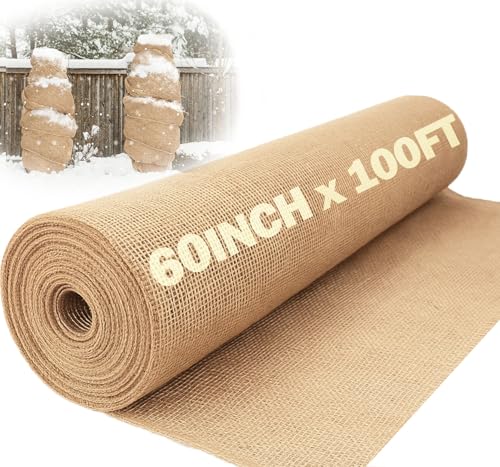
Liaycco 60-Inch x 100-Foot Burlap combines a 60-inch width with 100 feet of length, giving it substantially more total fabric than the shorter rolls here. The manufacturer describes its natural jute weave as breathable and reinforced at the selvage edges; the fabric is also intended to be cut for tree wrapping and plant cover. That combination suits gardeners wrapping several trunks or keeping spare material for other garden tasks. Its long roll is less convenient for a single small tree if you want to store very little leftover fabric, so measure the coverage area before cutting.
Bottom line: Choose this roll when you need substantial length for several trees.
Burloptuous 40-Inch x 15-Foot Burlap
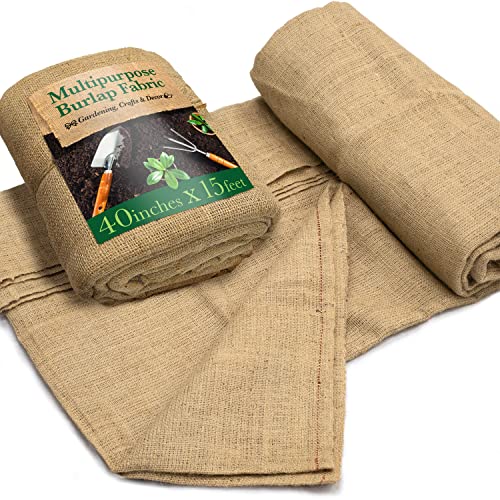
Burloptuous 40-Inch x 15-Foot Burlap is the shortest option at 15 feet, making it a practical fit for a limited wrapping project rather than repeated use across a large garden. Its 40-inch width is also narrower than the other rolls, which can make handling easier around a smaller coverage area. The fabric is natural jute and the manufacturer presents it as suitable for tree wrap and plant cover, alongside other uses. Its relatively short length is the main constraint: measure the combined trunk coverage first if you have multiple trees, since it may not leave much spare fabric.
Bottom line: Pick this for a modest wrapping job where a short roll is enough.
Buryeah 72-Inch x 33-Foot Burlap

Buryeah 72-Inch x 33-Foot Burlap has the widest fabric at 72 inches, useful when a wider band of material is needed or fewer overlaps are preferred. The roll is 33 feet long, shorter than Liaycco 60-Inch x 100-Foot Burlap but longer than Burloptuous 40-Inch x 15-Foot Burlap, so it balances width with a moderate amount of fabric. Its natural jute construction has a weave density of about 24 x 26, and the maker says the fabric allows air and moisture to flow around plants. The manufacturer advises keeping it dry and away from heat or flames before use; buyers needing a longer supply should consider the length before choosing it.
Bottom line: Choose this when fabric width matters more than maximum roll length.
How to Choose Burlap for Wrapping Trees
Start with the height and circumference of the area you plan to cover, then choose width and length accordingly. A rough coverage estimate is circumference multiplied by the number of wraps, plus overlap; allow extra for tying or trimming. A wider roll can reduce seams, while a longer roll is useful when wrapping multiple trees. Burlap is woven jute, so it allows more air movement than an impermeable plastic sheet, but weave density and construction differ among products. For a small job, choose a roll close to the measured need; for several trunks, calculate total footage before cutting. Avoid treating burlap as a substitute for a tree stake or structural support.
Tree Trunk Coverage and Wrapping Fit
Wrap only as high as needed for the exposure you are addressing, and keep the fabric snug rather than tight. A useful fit rule is to leave room for a finger beneath the wrap; if the fabric compresses bark or constricts the trunk, loosen it. Overlap each pass enough to prevent open gaps, especially where wind can catch an edge. Young, thin-barked trees are more vulnerable to sunscald and winter injury than mature trees, but species and local climate affect whether wrapping is appropriate. Do not wrap foliage or leave material in place through active growth without checking for rubbing, trapped moisture, or constriction. Remove or adjust a wrap that becomes wet, damaged, or loose.
Roll Width and Length Compared
Width determines how much vertical area one pass can cover, while length determines how many wraps or trunks the roll can serve. The widest option here is 72 inches, and the longest is 100 feet; those measurements solve different needs, so neither alone determines the best fit. Estimate circumference and height before selecting a roll, then include overlap and any tie-off allowance. The table compares the three rolls by measurements that directly affect coverage.
| Roll width | Roll length | Best fit |
|---|---|---|
| 40 in | 15 ft | Limited coverage |
| 60 in | 100 ft | Multiple trees |
| 72 in | 33 ft | Wider coverage |
Safe Use and Storage for Jute Burlap
Natural jute is a plant fiber, so keep burlap away from open flames, heaters, and other heat sources. One of these manufacturers specifically advises keeping its fabric dry before use to avoid moisture-related odor; in general, store jute in a dry, ventilated place and inspect it for dampness before wrapping. Wet fabric held against bark can slow drying, so remove it if it stays saturated or develops a persistent odor. Cut only the amount needed and secure the fabric without tight ties that could constrict a growing trunk. Before each season, check for loosened edges and rubbing points; a wrap that shifts can abrade bark.
Frequently Asked Questions
How much burlap do I need for one tree?
Measure the trunk circumference and the height you intend to cover, then multiply circumference by the number of wraps and add extra for overlap. For example, a 24-inch circumference with two passes takes at least 48 inches of length before overlap and fastening allowance.
Should burlap touch a tree trunk?
Burlap can sit against the trunk, but it should not be wound tightly enough to compress bark. Leave a little slack and check that ties do not constrict the trunk as it grows.
When should tree burlap be removed?
Remove or loosen a seasonal wrap when the exposure it addresses has passed, and inspect it sooner if it becomes wet, loose, or rubs the bark. Do not leave a tight wrap in place as the trunk grows.
Can burlap protect trees from frost?
Burlap can provide a physical covering, but it does not guarantee frost protection or replace suitable plant selection and site care. Keep the fabric from pressing tightly against tender growth, and remove it if it stays wet.
How much overlap should tree burlap have?
Overlap each pass enough to avoid uncovered gaps; the exact amount depends on the trunk shape and how securely the fabric sits. Check the wrap after installation so wind has not opened a seam.