
Car Door Edge Protectors: 3 Styles Compared

For car door edge protection, the SYOAUTO 32-foot guard is the most suitable choice when you need long, clip-in coverage rather than adhesive-backed trim. Choose a shorter adhesive style if you prefer a clear edge or need trim made for a very narrow edge.
We earn a commission if you buy through links on this page. As an Amazon Associate I earn from qualifying purchases. Products are compared on manufacturer specifications, not hands-on testing.
- Best overall: SYOAUTO 32-Foot Black Guard – Its 32-foot length and built-in metal reinforcement provide long coverage without adhesive.
- Best for a clear look: Eytool 16-Foot Clear Guard – The clear, 16-foot guard combines U-shaped rubber trim with built-in adhesive tape.
- Best for narrow edges: EPDM Self-Adhesive Edge Trim, 10-Foot – This EPDM trim is sized for edges from 0 to 5/64 inch and has a self-adhesive backing.
| Product | Best for | Length | Attachment | Shop |
|---|---|---|---|---|
| SYOAUTO 32-Foot Black Guard | Long coverage | 32 ft | Built-in metal clips | Check Price on Amazon |
| Eytool 16-Foot Clear Guard | Clear appearance | 16.4 ft | Built-in adhesive tape | Check Price on Amazon |
| EPDM Self-Adhesive Edge Trim, 10-Foot | Narrow edges | 10 ft | Self-adhesive | Check Price on Amazon |
Car Door Edge Protectors Compared
Compare length, edge fit and attachment before choosing trim for your vehicle’s door edges.
SYOAUTO 32-Foot Black Guard

At 32 feet, this guard provides twice the coverage of the clear 16-foot trim, and its U-shaped rubber channel uses built-in metal reinforcement instead of adhesive. SYOAUTO says the guard can be cut to length and installed by pushing it onto the door edge; a rubber mallet can help seat it. It suits buyers covering several door edges or wanting extra material for trimming. The fit is not quantified by edge thickness, so confirm the door-edge fit before ordering if your vehicle has unusually thick edges.
Bottom line: Choose this when long coverage and a clip-in attachment matter most.
Eytool 16-Foot Clear Guard
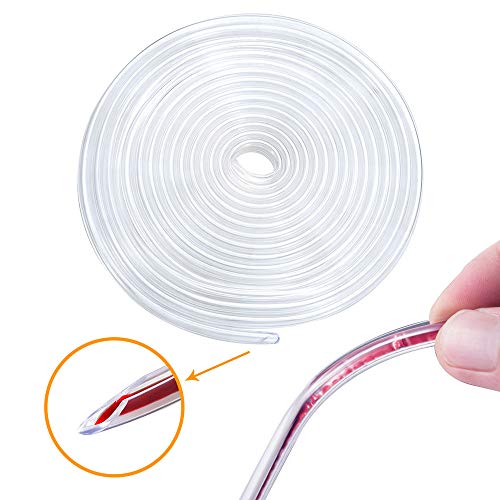
The clear finish is the distinguishing choice here, while the 16-foot length offers half the coverage of the SYOAUTO guard. Eytool identifies the material as TPO rubber and says its U-shaped trim has built-in double-sided tape; the maker recommends warming the trim with a hot-air blower in cold weather and tapping it into place with a rubber mallet. It suits drivers who want a less visible edge protector. The fit is not quantified by door-edge thickness, so check the thickness on truck or van doors before choosing it.
Bottom line: Pick this for clear trim and adhesive-backed installation.
EPDM Self-Adhesive Edge Trim, 10-Foot

Unlike the two longer U-shaped guards, this 10-foot trim is specifically sized for edges from 0 to 5/64 inch, making edge thickness the key selection rule. It is black EPDM rubber with a self-adhesive backing, and the maker says the flexible material can bend around curves and be cut with scissors. It is a fit for narrow sheet-metal edges, including car doors that fall within that range. It is not a general-size door guard: edges thicker than 5/64 inch are outside its specified fit.
Bottom line: Choose it only when the door edge measures no more than 5/64 inch.
How to Choose Car Door Edge Protectors
Choose by edge thickness first, then by attachment and the amount of trim needed. A U-shaped channel pushes over the edge, while adhesive-backed trim relies on a clean, dry surface and sufficient contact along the edge. For narrow edges up to 5/64 inch, the EPDM trim has a defined fit; the two U-shaped guards do not give a thickness range, so confirm the match if the door edge is unusually thick. Measure each edge you plan to cover and allow extra length for corners and trimming.
Door-edge protectors reduce direct contact during minor bumps, but they cannot guarantee paint protection or prevent damage from a hard impact. Avoid covering door latches, drain openings or moving seals, and check that the door closes normally after installation.
Door Edge Guard Length and Fit
Length determines how many edges a roll can cover; total length alone does not confirm fit. Measure the doors you plan to protect, including the sections along the vertical edge, and compare that total with the roll length. Leave a little extra for clean cuts and test placement before trimming.
The 10-foot EPDM trim specifies a fit for edges from 0 to 5/64 inch, while the two U-shaped guards have no numeric edge-thickness range here. Most automotive door edges are formed sheet metal, but rolled hems and added seals can change the usable thickness. If the channel will not seat flush or interferes with closing, stop and verify fit rather than forcing it.
Clip-In and Adhesive Door Edge Trim
Clip-in channels and adhesive trims stay in place differently. Built-in metal reinforcement grips the door edge mechanically, while adhesive tape needs continuous contact; surface wax, dirt, moisture and cold can weaken that bond. The two attachment types can both suit door protection, but thickness compatibility and surface preparation decide which works.
| Trim type | Attachment | Best selection condition |
|---|---|---|
| U-shaped, clip-in | Metal reinforcement | Channel seats securely on the measured edge |
| U-shaped, adhesive | Built-in double-sided tape | Clean surface and adequate edge coverage |
| Narrow EPDM trim | Self-adhesive | Edge measures 0–5/64 inch |
Do not assume that a universal-fit claim replaces measuring: a door edge outside the channel’s workable range can leave trim loose or prevent the door from closing.
Installing Door Edge Protectors Safely
Install trim on a clean, dry edge and test a short section before committing to the full length. Press-on channels may need gentle tapping with a rubber mallet; adhesive products need even contact along the bond line. In cold weather, the clear guard’s maker recommends warming the trim with a hot-air blower, but use low heat and keep it moving to avoid damaging paint or plastic.
After fitting, open and close the door several times and inspect the latch, seals and nearby paint. Trim must not obstruct a latch, pinch a weather seal or protrude where it can snag clothing. Recheck the ends periodically; if an edge lifts or loosens, remove or refit it before it catches on another surface.
Frequently Asked Questions
How much door edge trim should I measure for?
Measure the full edge length on each door you plan to cover, then total those measurements. Add a small trimming allowance so you can square the ends without coming up short.
Can door edge protectors fit every car?
No single channel fits every door edge: thickness, rolled hems and added seals affect fit. Measure the edge, and use a trim with a range only when the measurement falls inside it.
Does adhesive trim stick in cold weather?
Cold can make both adhesive bonding and rubber handling more difficult. The clear guard’s maker recommends warming the trim with a hot-air blower before fitting; prepare a clean, dry surface and avoid overheating painted panels.
Can door edge protectors damage car paint?
A correctly fitted guard should not scrape paint during normal door movement, but trapped grit or a loose, shifting channel can abrade the finish. Clean the edge before fitting and inspect it if the trim moves or lifts.
How do I know if a door edge guard is too tight?
A guard is too tight if it will not seat evenly or the door no longer closes and latches normally. Stop rather than forcing it, and verify that the channel suits the measured edge thickness.