
CloSYS Mouth Rinse: 3 Formulas Compared by Need

For everyday gentle cleansing without a specific gum or cavity focus, choose CloSYS Ultra Sensitive Mouthwash because it is alcohol-free, unflavored, and made for sensitive mouths. Choose CloSYS Healthy Gums Mouthwash for its gum-care focus or CloSYS Silver Healthy Teeth Oral Rinse if you want fluoride cavity protection; a mouth rinse is an add-on, not a replacement for brushing and flossing.
We earn a commission if you buy through links on this page. As an Amazon Associate I earn from qualifying purchases. Products are compared on manufacturer specifications, not hands-on testing.
- Best overall: CloSYS Ultra Sensitive Mouthwash – Alcohol-free, unflavored formula is positioned for sensitive mouths and everyday cleansing.
- Best for gum care: CloSYS Healthy Gums Mouthwash – The formula is aimed at plaque and gingivitis care, with a gentle mint flavor.
- Best for cavity protection: CloSYS Silver Healthy Teeth Oral Rinse – Its fluoride formula is specifically intended to help protect against cavities.
| Product | Best for | Primary use | Flavor | Pack size | Shop |
|---|---|---|---|---|---|
| CloSYS Ultra Sensitive Mouthwash | Sensitive mouths | Sensitive-mouth cleansing | Unflavored | 32 fl oz, 1 bottle | Check Price on Amazon |
| CloSYS Healthy Gums Mouthwash | Gum care | Gum care | Gentle mint | 32 fl oz, 2 bottles | Check Price on Amazon |
| CloSYS Silver Healthy Teeth Oral Rinse | Fluoride care | Cavity protection | — | 32 fl oz, 2 bottles | Check Price on Amazon |
CloSYS mouth rinse formulas
Compare each formula by its oral-care focus and flavor before choosing.
CloSYS Ultra Sensitive Mouthwash
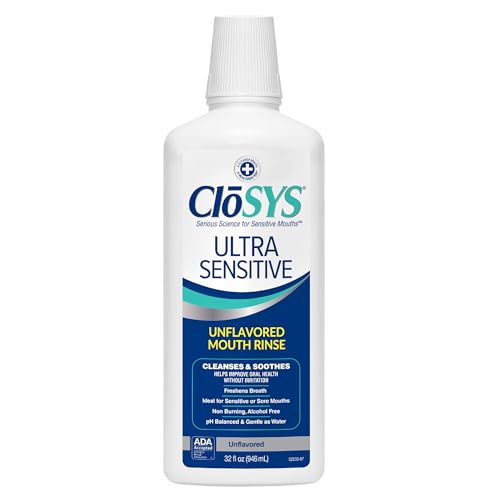
For a sensitive-mouth routine, this unflavored rinse stands apart from the gum-care and fluoride options. CloSYS says the alcohol-free formula is designed to cleanse and soothe without burning, and its features also identify it as dye-, sulfate-, triclosan-, and gluten-free. That makes it the clearest match for people prioritizing a gentle, flavor-free rinse rather than a specific gum or cavity claim. It is not the specialized choice if your main goal is gum care or fluoride cavity protection; choose the formula aimed at that concern instead.
Bottom line: Choose this for an unflavored, alcohol-free daily rinse.
CloSYS Healthy Gums Mouthwash

For a gum-care routine, this is the only option in the group specifically positioned around plaque and gingivitis. The alcohol-free formula has a gentle mint flavor, and CloSYS says it kills germs associated with gingivitis and plaque and helps reverse early signs such as redness and bleeding. The two-bottle pack suits buyers who want the same gum-focused rinse in a larger combined supply. Its focus is not fluoride cavity protection, so choose the fluoride rinse if cavity protection is your priority.
Bottom line: Choose this when gum care is the main goal.
CloSYS Silver Healthy Teeth Oral Rinse
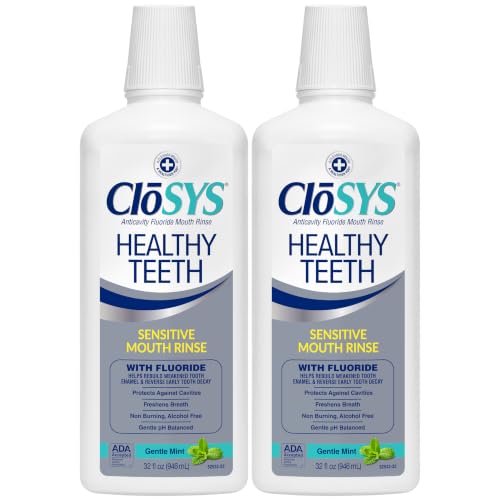
For fluoride cavity protection, this oral rinse differs from the two alcohol-free formulas centered on sensitive-mouth comfort or gum care. CloSYS says the fluoride rinse helps protect against cavities and strengthen tooth enamel, and it also targets bad breath. The two-bottle pack fits someone seeking that specific cavity-care focus in the same 32-ounce bottle size as the other options. The features do not identify a flavor, so buyers who need a particular taste should confirm it before choosing; this is not the gum-focused formula.
Bottom line: Choose this for a fluoride rinse aimed at cavity protection.
How to choose a CloSYS mouth rinse
Choose by the oral-care job first: sensitive-mouth cleansing, gum care, or fluoride cavity protection. Mouth rinse can complement brushing and flossing, but it does not remove plaque from tooth surfaces as reliably as brushing and interdental cleaning. Adults generally brush twice daily for two minutes with fluoride toothpaste; floss or use an interdental cleaner once daily. A rinse’s flavor and active ingredients matter: a pleasant, non-irritating flavor may help regular use, while fluoride rinses target a different need than cosmetic breath freshening. If you have persistent bleeding gums, tooth pain, or suspected decay, arrange a dental evaluation instead of relying on rinse alone.
Use this need-to-choice guide to separate the three formulas.
| Need | Formula focus |
|---|---|
| Sensitive mouth, unflavored preference | Alcohol-free cleansing |
| Gum care | Plaque and gingivitis focus |
| Cavity protection | Fluoride oral rinse |
What mouth rinse can and cannot do
Mouth rinses reach areas throughout the mouth, but they do not replace mechanical cleaning. A rinse may be useful for a specific goal such as fluoride exposure or breath freshening, yet daily brushing for two minutes and cleaning between teeth remain the foundation of home care. Fluoride helps strengthen enamel against acid attacks; cavity risk also changes with diet, dry mouth, oral hygiene, and dental history. Gum bleeding can arise from inflammation, but persistent or worsening bleeding needs dental assessment rather than a longer rinse routine. Use the product’s own directions for the amount and timing, and do not swallow mouthwash.
Children need extra care because they may swallow rinse: the American Dental Association advises that children younger than 6 generally should not use mouthwash unless directed by a dentist. Keep any mouth rinse out of their reach.
Alcohol-free and fluoride rinse differences
Alcohol-free describes the absence of alcohol as an ingredient; it does not by itself identify whether a rinse contains fluoride or targets gum care. Fluoride rinses are intended to add cavity protection, while gum-focused formulas emphasize plaque and gingivitis care, and sensitive-mouth options may prioritize a mild or unflavored experience. A person can have overlapping needs, but a rinse marketed for one purpose should not be assumed to cover another. Check the active ingredient panel and intended use when a specific cavity or gum-care goal matters. Avoid using a therapeutic rinse in place of a dentist’s diagnosis or treatment plan.
Frequently Asked Questions
Can mouth rinse replace brushing and flossing?
No, mouth rinse does not replace brushing or cleaning between teeth. Brush for two minutes twice daily and clean between teeth once daily to remove plaque mechanically.
How often should adults use mouth rinse?
Use a rinse according to its own label directions rather than assuming all formulas share a schedule. Many mouth rinses are used once or twice daily, but therapeutic products can have specific limits.
Should children use mouth rinse every day?
Children under 6 generally should not use mouth rinse unless a dentist directs it, because swallowing is a concern. Older children should use it only when they can reliably rinse and spit.
Does alcohol-free mouthwash prevent cavities?
Alcohol-free status alone does not mean a rinse prevents cavities; cavity protection depends on ingredients such as fluoride. Look for a fluoride formula when that is the goal.
What should I do about bleeding gums?
Bleeding gums that persist or worsen warrant a dental evaluation, even if a rinse is marketed for gum care. Gentle brushing with a soft-bristled toothbrush and daily cleaning between teeth support gum health.