
CloSYS Mouthwash Pros and Cons: 3 Formulas Compared

For most adults seeking a gentle, unflavored daily rinse, CloSYS Ultra Sensitive Mouthwash, 32 oz stands out because its formula is alcohol-free and intended for sensitive mouths. Choose CloSYS Silver Healthy Teeth Oral Rinse, 2-pack for a fluoride-focused rinse or CloSYS Healthy Gums Mouthwash, 2-pack for a mint gum-care formula instead.
Mouthwash is an add-on to brushing and flossing, not a substitute for either; the right choice depends on whether sensitivity, cavity protection, or gum care is your priority.
We earn a commission if you buy through links on this page. As an Amazon Associate I earn from qualifying purchases. Products are compared on manufacturer specifications, not hands-on testing.
- Best overall: CloSYS Ultra Sensitive Mouthwash, 32 oz – Its unflavored, alcohol-free formula is intended for sensitive mouths.
- Best for fluoride care: CloSYS Silver Healthy Teeth Oral Rinse, 2-pack – This rinse is marketed for cavity protection and comes in a two-bottle pack.
- Best for gum care: CloSYS Healthy Gums Mouthwash, 2-pack – Its mint formula is aimed at plaque and gingivitis care.
| Product | Best for | Primary purpose | Flavor | Pack size | Shop |
|---|---|---|---|---|---|
| CloSYS Ultra Sensitive Mouthwash, 32 oz | Sensitive mouths | Sensitive-mouth rinse | Unflavored | 32 fl oz, 1 bottle | Check Price on Amazon |
| CloSYS Silver Healthy Teeth Oral Rinse, 2-pack | Fluoride rinse | Anti-cavity rinse | — | 32 fl oz, 2 bottles | Check Price on Amazon |
| CloSYS Healthy Gums Mouthwash, 2-pack | Gum-care routine | Anti-gingivitis rinse | Gentle mint | 32 fl oz, 2 bottles | Check Price on Amazon |
CloSYS Mouthwash Formulas Compared
The main differences are whether you want an unflavored sensitive-mouth rinse, a fluoride rinse, or a mint gum-care formula.
CloSYS Ultra Sensitive Mouthwash, 32 oz
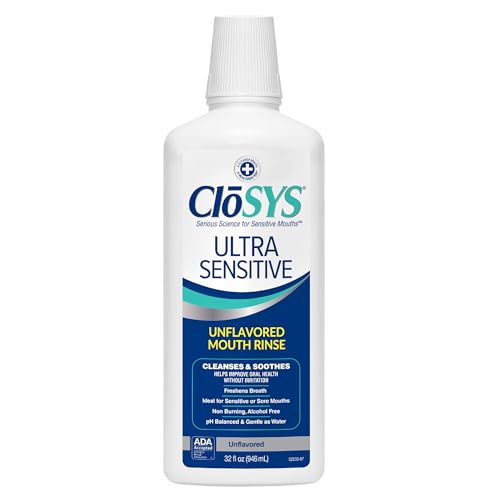
CloSYS Ultra Sensitive Mouthwash, 32 oz is the unflavored option in this group, with an alcohol-free formula aimed at people who want a gentler-feeling rinse. The maker says it helps soothe the mouth and targets odor-causing bacteria; it is also described as free of dyes, sulfates, triclosan, and gluten. Its 32-ounce bottle suits someone who prefers a single rinse for a daily routine. The trade-off is that this is not the fluoride-focused option here, so choose a different formula if adding a fluoride rinse is your main goal.
Bottom line: Choose this if you want an unflavored, alcohol-free rinse for a sensitive-mouth routine.
CloSYS Silver Healthy Teeth Oral Rinse, 2-pack
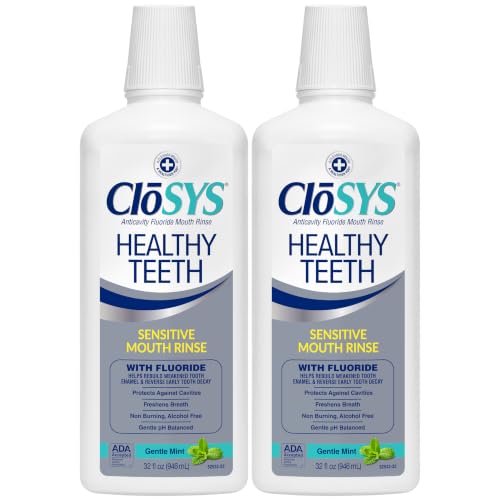
CloSYS Silver Healthy Teeth Oral Rinse, 2-pack is the fluoride-focused choice, unlike the unflavored sensitive-mouth rinse and the gum-care rinse. The maker says it helps protect against cavities, strengthen enamel, and freshen breath. The two 32-ounce bottles are suited to households or routines that want a dedicated anti-cavity rinse. Fluoride is its distinguishing purpose, but it does not replace fluoride toothpaste or brushing. Since the specifications do not give a fluoride concentration, confirm the label directions and age guidance before use, especially when selecting a rinse for a child.
Bottom line: Pick this when fluoride cavity protection is the priority for an adult routine.
CloSYS Healthy Gums Mouthwash, 2-pack

CloSYS Healthy Gums Mouthwash, 2-pack is the gum-care option, with a gentle mint flavor that sets it apart from the unflavored rinse. The maker says it targets germs associated with gingivitis and plaque and helps address early gum symptoms such as redness and bleeding. Two 32-ounce bottles suit people who want a mint rinse centered on gum care. The limitation is its focus: it is not the fluoride-centered choice for cavity protection. Persistent bleeding or swollen gums merit dental evaluation rather than relying on a rinse alone.
Bottom line: Choose this for a mint rinse whose focus is plaque and gum care.
How to Choose a CloSYS Mouthwash
Choose a rinse by its intended role rather than by the brand name alone. A sensitive-mouth or breath-freshening rinse serves a different purpose from a fluoride rinse or a gum-care formula. Fluoride toothpaste remains the usual foundation for cavity prevention; mouthwash is an optional addition, not a replacement for brushing twice daily and cleaning between teeth once daily. If your main concern is cavities, favor a fluoride rinse and check its active ingredient and directions. If flavor or irritation is the concern, an alcohol-free or unflavored formula may be more comfortable. Mouthwash cannot remove plaque as effectively as physical brushing and flossing, so using more rinse does not compensate for missed cleaning.
Fluoride Rinse Use and Safety
Most over-the-counter daily fluoride rinses use 0.05% sodium fluoride, while weekly formulations are typically 0.2%; check the product label because the concentration and directions matter. Children younger than 6 should not use fluoride mouthrinse unless a dentist directs it, because they may swallow it. Older children should use it only if they can reliably spit, and adults should not swallow mouthwash. A rinse is generally used after brushing, but product directions can differ. Do not infer a product’s fluoride strength from its anti-cavity purpose; verify the active ingredient and dosing directions on its label before making it part of a routine.
When to Choose a Gum-Care Rinse
A gum-care rinse is an adjunct for plaque-control routines, not a substitute for cleaning at the gumline. Plaque is a soft bacterial film that can harden into tartar; brushing twice a day with a soft-bristled brush and daily interdental cleaning address the deposits a rinse cannot dislodge. Bleeding during brushing can be associated with gum inflammation, but persistent bleeding, swelling, or pain warrants a dental appointment rather than self-treatment with mouthwash. Use a rinse only as directed, and do not extend or intensify use to treat ongoing symptoms. If you have recently had oral surgery or have a condition affecting your mouth, ask your dentist which rinse is appropriate.
Common Mouthwash Mistakes
The most common mistake is treating mouthwash as a substitute for brushing or flossing. A second is rinsing with water immediately after fluoride toothpaste; that can wash away concentrated toothpaste fluoride, so spit rather than rinse when your toothpaste directions advise it. Follow the mouthwash label for dose and timing, and never swallow a rinse. Another mistake is choosing by flavor alone: an unflavored sensitive-mouth rinse, a fluoride rinse, and a gum-care rinse have different roles. A simple decision rule is to choose the formula tied to your main need, then confirm the active ingredient and age directions before use. Stop and seek dental advice if irritation or gum symptoms persist.
Frequently Asked Questions
Can CloSYS mouthwash replace brushing and flossing?
No, mouthwash does not replace brushing twice daily or cleaning between teeth once daily. A rinse can be an add-on, but it cannot physically remove plaque deposits the way brushing and flossing do.
Should I use fluoride mouthwash every day?
Many over-the-counter fluoride rinses are formulated for daily use, while some are weekly products, so follow the label for that specific rinse. Common daily and weekly sodium fluoride strengths are 0.05% and 0.2%, respectively.
Can children use fluoride mouth rinse?
Children younger than 6 should not use fluoride mouthrinse unless a dentist directs it. Older children should use it only when they can reliably spit rather than swallow the rinse.
What should I do if my gums bleed regularly?
Arrange a dental evaluation if bleeding persists, because mouthwash alone does not diagnose or remove hardened tartar. Brush gently with a soft-bristled brush twice daily and clean between teeth every day while waiting for advice.
Does alcohol-free mouthwash prevent mouth irritation?
Alcohol-free formulas avoid alcohol, but that alone cannot guarantee a product will suit every mouth. Stop using a rinse that causes persistent irritation and ask a dentist about alternatives.