
Cottonseed Oil and Clove Oil: Uses Compared

Choose cottonseed oil for cooking or as a carrier oil, and choose clove oil for its concentrated essential oil uses; they are different products, not a blend. Velona Cotton Seed Oil, 8 fl oz is the only food-grade option, while Brooklyn Botany Clove Essential Oil, 4 fl oz, SU JUABA Clove Essential Oil, 4 fl oz, and Handcraft Blends Clove Leaf Oil, 4 fl oz are clove essential oils. Buyers seeking one oil for both food and aromatherapy should choose by intended use rather than treating the oils as interchangeable.
We earn a commission if you buy through links on this page. As an Amazon Associate I earn from qualifying purchases. Products are compared on manufacturer specifications, not hands-on testing.
- Best overall: Velona Cotton Seed Oil, 8 fl oz – It is the only product identified as food grade and is offered for cooking as well as personal care.
- Best for diffuser use: Brooklyn Botany Clove Essential Oil, 4 fl oz – It is a 4 fl oz clove essential oil with a dropper and aromatherapy and diffuser uses.
- Best for oral-care interest: SU JUABA Clove Essential Oil, 4 fl oz – Its features specifically mention oral care, but clove oil should not be swallowed.
- Best for clove-leaf oil: Handcraft Blends Clove Leaf Oil, 4 fl oz – It is identified as clove leaf oil and includes a dropper for measured DIY use.
| Product | Best for | Oil type | Bottle size | Processing | Shop |
|---|---|---|---|---|---|
| Velona Cotton Seed Oil, 8 fl oz | Cooking and carrier | Cottonseed oil | 8 fl oz | Cold pressed, refined | Check Price on Amazon |
| Brooklyn Botany Clove Essential Oil, 4 fl oz | Aromatherapy use | Clove essential oil | 4 fl oz | Steam distilled | Check Price on Amazon |
| SU JUABA Clove Essential Oil, 4 fl oz | Oral-care interest | Clove essential oil | 4 fl oz | Steam distilled | Check Price on Amazon |
| Handcraft Blends Clove Leaf Oil, 4 fl oz | Clove leaf DIY | Clove leaf essential oil | 4 fl oz | Steam distilled | Check Price on Amazon |
Cottonseed Oil and Clove Oil Options
Compare the intended use and oil type first, since food-grade cottonseed oil and concentrated clove essential oils are not substitutes.
Velona Cotton Seed Oil, 8 fl oz
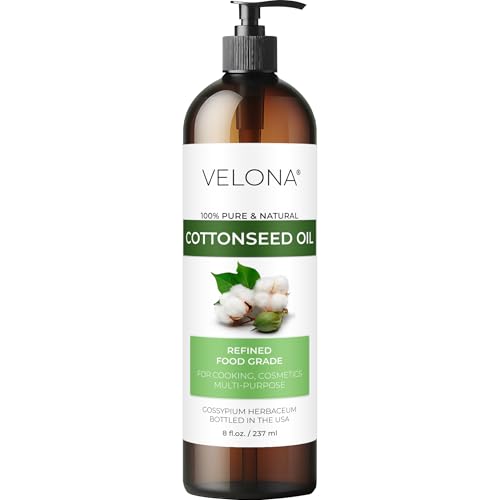
Unlike the clove essential oils here, this is cottonseed oil identified as food and cosmetic grade. The 8 fl oz bottle has a pump, and the maker presents it for frying, baking, dressings, skin care, and hair care. That range suits a buyer seeking one oil for kitchen and personal-care uses. The limitation is that it is not a clove essential oil, so it is not the right choice for someone specifically seeking clove aroma or a clove-oil DIY ingredient. For cooking, use it as a food oil rather than as an essential oil.
Bottom line: Choose this if you want food-grade cottonseed oil for cooking or personal care.
Brooklyn Botany Clove Essential Oil, 4 fl oz

Unlike the cottonseed oil, this is a concentrated clove essential oil packaged in an amber glass bottle with a dropper. The maker identifies it as 100% pure and natural, says it is independently lab tested, and names aromatherapy, diffuser, and massage uses. The 4 fl oz size suits a buyer seeking a larger clove-oil bottle for those applications. Its limitation is that it is not presented as a food oil; do not use it as a cooking substitute. Essential oils can irritate skin, so avoid applying clove oil undiluted.
Bottom line: Choose this for clove essential oil with a dropper for aromatherapy or diffuser use.
SU JUABA Clove Essential Oil, 4 fl oz

Unlike the other clove options, this product specifically highlights oral-care interest alongside aromatherapy, skin care, hair care, and DIY uses. It is a 4 fl oz steam-distilled clove essential oil. Clove essential oil is concentrated and can irritate tissue, so do not apply it directly to gums or treat it as a substitute for dental care.
Bottom line: Choose this only if you want clove essential oil and will follow cautious, non-ingestive use.
Handcraft Blends Clove Leaf Oil, 4 fl oz

Unlike the other clove options, this product is identified specifically as clove leaf oil. The maker names aromatherapy, massage, skin care, soap making, and DIY projects, and the 4 fl oz amber glass bottle includes a dropper. It suits someone selecting clove leaf essential oil for measured craft or fragrance use. The limitation is that its uses do not make it interchangeable with food-grade cottonseed oil or establish it as an oral-care product. Keep essential oil away from eyes and use it only in appropriately diluted topical mixtures.
Bottom line: Choose this when clove leaf oil is the specific essential oil you want for DIY projects.
How to Choose Between Cottonseed Oil and Clove Oil
Start with intended use: cottonseed oil is the food-grade choice here, while clove oils are concentrated essential oils. Refined cottonseed oil is used for cooking and has a typical smoke point around 420°F; actual performance varies with refinement and the oil’s condition. A clove essential oil is not a substitute for cooking oil, even when a product mentions skin or oral care. If your use involves food, choose an oil explicitly identified as food grade. If your use involves scent or a DIY mixture, choose a clove essential oil and check whether the product is clove leaf oil. Keep these oil types separate when planning a recipe or personal-care routine.
A practical decision rule is simple: for frying or baking, choose the cottonseed product; for clove aroma, choose a clove essential oil. The oils serve different roles and are not a matched blend.
Clove Essential Oil Safety and Dilution
Clove essential oil is concentrated, so undiluted skin application can irritate or sensitize skin. Essential oils are generally not meant to be swallowed; clove oil should not be applied directly to gums or used as a replacement for dental treatment. For topical use, use a product intended for that route and follow a qualified clinician’s advice, especially for children, pregnancy, medication use, or sensitive skin. A carrier oil such as cottonseed oil can dilute an essential oil, but food-grade status does not establish a safe topical dilution ratio. Avoid eyes, mucous membranes, and broken skin, and stop use if irritation occurs.
For a diffuser or craft mixture, use only the amount appropriate to the device or recipe and ventilate the space. Keep essential oils secured away from children and pets.
How Cottonseed Oil Differs From Clove Oil
Cottonseed oil is a fixed vegetable oil; clove essential oil is a volatile aromatic extract. Fixed oils are commonly used as cooking fats or carrier oils, while essential oils are concentrated for fragrance and carefully controlled applications. Refined cottonseed oil typically has a smoke point near 420°F, while clove essential oil should not be heated like a frying oil. The most consequential buying distinction is therefore not bottle size but function: choose according to whether you need a food oil, carrier oil, or aromatic essential oil. The table gives the basic choice rule without treating either type as a substitute for the other.
Use this quick guide to match oil type to a likely use.
| Need | Choose |
|---|---|
| Cooking or frying | Food-grade cottonseed oil |
| Clove scent or diffuser use | Clove essential oil |
| Clove leaf-specific DIY use | Clove leaf essential oil |
| Topical mixture | Carrier oil plus properly diluted essential oil |
Storage and Common Use Mistakes
Store cooking oils tightly capped away from heat and light; warmth, oxygen, and repeated heating speed rancidity. Essential oils should also remain capped and away from direct sunlight, and amber glass helps limit light exposure. A common mistake is assuming that a natural or food-grade oil is automatically safe for every route of use. Food-grade cottonseed oil may be used in food, but that does not make concentrated clove essential oil edible. Another mistake is applying clove oil undiluted to skin or gums. Keep both oil types in their original containers, label any mixtures clearly, and do not put essential oils into food unless the product and qualified guidance explicitly support that use.
Frequently Asked Questions
Can cottonseed oil replace clove essential oil?
No, cottonseed oil is a fixed food oil, while clove oil is a concentrated aromatic essential oil. Use cottonseed oil for cooking and clove essential oil only for an appropriate aromatic or carefully controlled DIY purpose.
Is clove essential oil safe to swallow?
Do not swallow clove essential oil unless a qualified clinician specifically directs it. Concentrated essential oils can irritate or harm tissue, and oral-care claims do not make an oil safe to ingest.
Can I apply clove oil directly to my skin?
Avoid applying clove essential oil undiluted because it can irritate or sensitize skin. Use an appropriate carrier and get professional guidance if you have sensitive skin or a health concern.
What is cottonseed oil used for in cooking?
Food-grade cottonseed oil can be used for frying, baking, and dressings. Refined cottonseed oil typically has a smoke point around 420°F, though refinement and oil condition affect performance.
What does steam-distilled clove oil mean?
Steam distillation uses steam to carry volatile aromatic compounds from plant material, then separates the condensed oil. The method identifies how the essential oil is extracted, not that it is suitable to eat or apply undiluted.