
Delta 18-36 Drum Sander Feed Belts Compared

For a Delta 18-36 drum sander with a compatible model, P Polerden 120-Grit Feed Belt is the pick when you want 120 grit; it also matches the specified 18-by-47-1/2-inch belt size. Choose Monarch Industrial 100-Grit Feed Belt or 100-Grit Feed Belt with Bi-Directional Joint instead for a 100-grit conveyor belt.
A feed belt carries stock beneath the sanding drum; it is different from abrasive strips that wrap the drum. Match the model number and belt dimensions before replacing one.
We earn a commission if you buy through links on this page. As an Amazon Associate I earn from qualifying purchases. Products are compared on manufacturer specifications, not hands-on testing.
- Best overall: P Polerden 120-Grit Feed Belt – Its 120-grit silicon carbide and specified belt dimensions suit buyers seeking a coarser option.
- Best for listed fit: Monarch Industrial 100-Grit Feed Belt – Its 100-grit belt lists compatibility across the same Delta model range.
- Best for bi-directional joint: 100-Grit Feed Belt with Bi-Directional Joint – Its product features specify a bi-directional tape joint.
| Product | Best for | Grit | Shop |
|---|---|---|---|
| P Polerden 120-Grit Feed Belt | Coarser sanding | 120 grit | Check Price on Amazon |
| Monarch Industrial 100-Grit Feed Belt | 100-grit replacement | 100 grit | Check Price on Amazon |
| 100-Grit Feed Belt with Bi-Directional Joint | Joint specification | 100 grit | Check Price on Amazon |
Delta 18-36 Drum Sander Feed Belts
Compare the abrasive grit and stated dimensions, then confirm that the replacement fits your sander model.
P Polerden 120-Grit Feed Belt

P Polerden 120-Grit Feed Belt is the only option here with 120 grit, while the other compatible belts use 100 grit. The silicon carbide conveyor belt measures 18 inches wide by 47-1/2 inches around and replaces service part 655503-00. Its fit covers Delta 31-250 Types 1, 2 and 3, 31-252, 31-255X Types 1 and 2, and 31-260X. The maker describes the belt as heavier duty; grit alone does not determine whether it suits your work, so consider the finish and stock you need to produce. Verify your model and belt dimensions before ordering.
Bottom line: Choose this if you want the 120-grit option and your model matches.
Monarch Industrial 100-Grit Feed Belt

Monarch Industrial 100-Grit Feed Belt provides a 100-grit silicon carbide conveyor belt for Delta 18-36 sanders, matching the dimensions of the other compatible options. It measures 18 inches wide by 47-1/2 inches around and replaces service part 655503-00. The compatibility includes Delta 31-250 Types 1, 2 and 3, 31-252, 31-255X Types 1 and 2, and 31-260X. This is a straightforward choice for buyers who want the 100-grit specification without the 120-grit option. Confirm the model number on the sander before selecting a replacement; similar-looking machines may use different parts.
Bottom line: Pick this for a 100-grit belt when your Delta model is among those listed.
100-Grit Feed Belt with Bi-Directional Joint
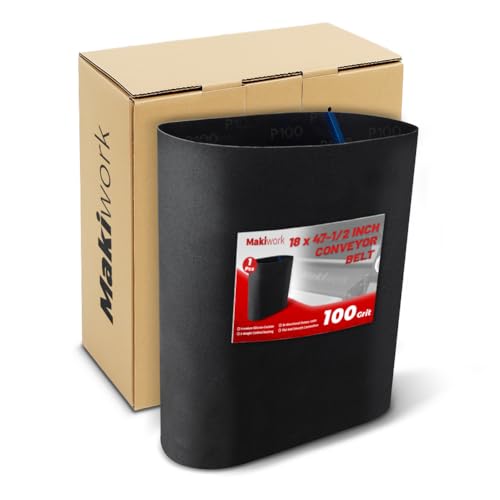
100-Grit Feed Belt with Bi-Directional Joint stands apart by specifying a bi-directional tape joint for its 100-grit silicon carbide conveyor belt. The belt measures 18 inches wide by 47-1/2 inches around and is compatible with Delta 31-250 Types 1, 2 and 3, 31-252, 31-255X Types 1 and 2, and 31-260X. The maker describes it for sanding wood, metal and plastic, but the grit is a coarse choice relative to finer finishing abrasives. Buyers focused on the joint construction may prefer this option; those seeking 120 grit should choose a different belt. Check model and dimensions before replacing the conveyor.
Bottom line: Choose this if the specified joint construction matters and your sander model matches.
How to choose a Delta 18-36 feed belt
Start with the model number, then compare the replacement belt’s width and circumference. The compatible models include 31-250, 31-252, 31-255X and 31-260X, with certain 31-250 and 31-255X type variations specified. Grit is a separate choice: a lower grit number generally cuts more aggressively and leaves a coarser scratch pattern than a higher number. For these options, choose 120 grit when you want the coarser listed belt, or 100 grit when that specification suits your work. A feed conveyor moves the board under the sanding drum; it is not the abrasive wrap attached to the drum. Do not use drum-wrap dimensions to select a conveyor belt.
Confirm the belt size and model fit
Each of the compatible belts here is 18 inches wide and 47-1/2 inches in circumference, but a matching size alone does not establish model compatibility. Check the sander’s model label and compare it with the replacement’s fit, including the type where one is specified. The replacements also correspond to service part 655503-00. Measure an old belt only if it can be removed safely and without stretching or distorting it; a worn or stretched belt can give a misleading measurement. Before installation, disconnect power and follow the machine’s manual for access and tensioning. A belt that is too loose can slip, while excessive tension can strain the conveyor mechanism.
Feed belts and drum abrasives do different jobs
A conveyor belt supports and advances stock; abrasive material on the drum does the sanding. Drum abrasives are commonly sold in different grits for stock removal and finishing, while the feed belt is selected for machine fit and conveyance. Keep these parts distinct when identifying a replacement: a width or grit printed on an abrasive strip does not describe the conveyor belt’s circumference. For sanding, move through progressively finer grits when a smoother surface is needed rather than skipping directly from a coarse cut to a fine finish. Test a grit sequence on scrap of the same material, since wood species, grain and coating affect the visible scratch pattern. The conveyor belt itself should be clean and track as the machine maker specifies.
Safe operation and conveyor care
Disconnect the sander from power before accessing the conveyor or sanding drum; a machine can start unexpectedly if power remains connected. Keep hands, loose clothing and long hair away from moving rollers and the drum during operation, and use dust collection and suitable respiratory protection because sanding creates airborne dust. Feed stock flat and support long pieces so they do not tip or bind. Inspect the conveyor for damage and slipping, and keep its surface free of accumulated dust that can interfere with feeding. Adjust tracking and tension using the machine’s procedure, not by guessing. Stop if a board stalls or shifts rather than pushing it through; correct alignment and support reduce the chance of kickback or damage.
Frequently Asked Questions
How do I identify my Delta 18-36 sander model?
Look for the model label on the machine housing and compare the full number, including any X suffix and type, with the belt’s compatibility.
What does 100 grit versus 120 grit mean?
A 100-grit abrasive is coarser than a 120-grit abrasive and generally removes material more aggressively, leaving a rougher scratch pattern. Test on scrap when the final surface matters, because wood species and grain affect the result.
Is a feed belt the same as a drum sanding strip?
No. The feed belt is the conveyor that advances material, while the abrasive strip wraps around the sanding drum and performs the cutting. Match the conveyor’s model fit and dimensions separately from drum-wrap grit and size.
How tight should a drum sander conveyor belt be?
Use the tensioning procedure in the machine manual rather than a generic measurement, because the correct setting depends on the sander’s mechanism. Disconnect power before adjustment, and stop if the conveyor slips or tracks unevenly.
What safety steps matter when changing the feed belt?
Unplug the sander before opening or adjusting the conveyor so the drum and rollers cannot start unexpectedly. Keep hands clear of pinch points, and use dust collection and respiratory protection while sanding.