
Drink Carriers for Delivery: 3 Reusable Options

Trunab 8-Cup Insulated Tote suits delivery workers carrying up to eight drinks because its adjustable dividers let you arrange cups of different sizes. Choose ComfortKeeper 4-Cup Insulated Carrier for a smaller four-cup load, or Rubbermaid Deluxe Carry Caddy if a rigid caddy for bottles and general-purpose transport better fits your route.
A drink carrier keeps beverages upright during handoffs and transit; matching its compartments to cup size and checking that lids are secure helps reduce spills.
We earn a commission if you buy through links on this page. As an Amazon Associate I earn from qualifying purchases. Products are compared on manufacturer specifications, not hands-on testing.
- Best overall: Trunab 8-Cup Insulated Tote – Adjustable dividers and capacity for eight cups suit mixed-size drink orders.
- Best for four drinks: ComfortKeeper 4-Cup Insulated Carrier – A compact four-cup insulated bag fits smaller beverage runs.
- Best for bottles: Rubbermaid Deluxe Carry Caddy – A rigid caddy holds up to eight 32-ounce bottles.
| Product | Best for | Capacity | Construction | Shop |
|---|---|---|---|---|
| Trunab 8-Cup Insulated Tote | Mixed-size orders | 8 cups | Water-resistant nylon; foil lining | Check Price on Amazon |
| ComfortKeeper 4-Cup Insulated Carrier | Small drink runs | 4 cups | 600D Oxford fabric; foil lining | Check Price on Amazon |
| Rubbermaid Deluxe Carry Caddy | Bottles and supplies | Up to 8 bottles, 32 oz each | Rigid caddy | Check Price on Amazon |
Drink Carriers for Delivery
Compare capacity and construction first, then choose the carrying style that fits your typical order.
Trunab 8-Cup Insulated Tote

Trunab 8-Cup Insulated Tote is the only option here with both eight-cup capacity and adjustable dividers, making it useful when a delivery includes cups of different sizes. The exterior is water-resistant nylon, and the interior has an aluminum-foil lining that can be wiped clean. Front and side mesh pockets provide places for napkins, utensils or condiments, while a padded handle and shoulder strap give two carrying options. The tradeoff is its larger format: a four-drink order may not need the extra capacity, and buyers should confirm their cups fit the compartment layout.
Bottom line: Choose it for larger, mixed-size drink orders that benefit from adjustable compartments.
ComfortKeeper 4-Cup Insulated Carrier

ComfortKeeper 4-Cup Insulated Carrier takes less capacity than the eight-cup options and is sized for a four-drink run. Its adjustable hook-and-loop dividers are supported by hollow board and pearl cotton padding, and the 600D Oxford exterior is made for repeated carrying. The aluminum-foil-lined interior wipes clean; the maker says the lining helps keep drinks hot or cold longer. A top handle keeps the carrying setup simple. Its four-cup limit is the main constraint, so it is a poor match when a single order regularly includes five or more drinks.
Bottom line: Pick it for routine deliveries of four drinks or fewer.
Rubbermaid Deluxe Carry Caddy
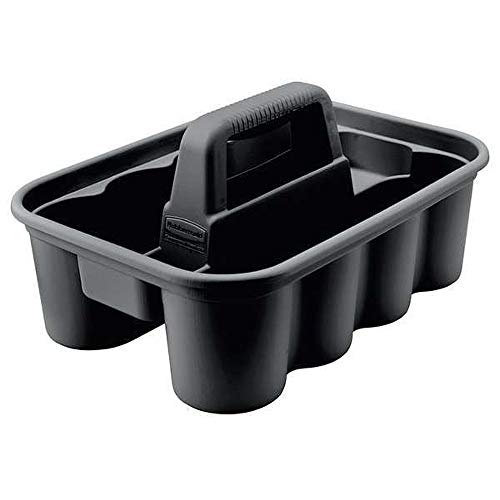
Rubbermaid Deluxe Carry Caddy differs from the insulated fabric carriers: it is a rigid, multipurpose caddy that holds up to eight 32-ounce bottles. The 15-by-10.9-by-7.4-inch form is designed to fit on cleaning and housekeeping carts, and it can also carry drink cups, water bottles or cleaning supplies. That versatility suits a route where the carrier may serve more than food delivery. Unlike the fabric options, it has no stated insulation or dividers, so it is less suited to keeping hot and cold drinks separated or adapting individual spaces to different cup sizes.
Bottom line: Choose it when bottle capacity and a rigid, multipurpose caddy matter more than insulation.
How to choose a drink carrier for delivery
Start with the largest order you routinely carry, not the largest order you can imagine. A four-cup carrier is a practical fit when most runs stay at four drinks or fewer; an eight-cup design leaves room for larger orders. Cup height and base width matter as much as cup count: test the tallest cup and widest base you expect to carry, with its lid on, before relying on a compartment layout. Adjustable dividers help accommodate mixed sizes, while a rigid caddy suits users prioritizing a defined structure. For hot drinks, keep lids fully seated and avoid overfilling; a carrier can steady cups but cannot make a loose lid spillproof.
Matching cup size and compartment fit
Fit each cup in the carrier with the lid attached, since a lid can add height and change how tightly adjacent drinks sit. For a mixed order, place the widest cup in its compartment first, then adjust dividers so cups remain upright without being squeezed. A snug base fit is useful, but pressure against a disposable cup can deform it or loosen its lid. Keep the carrier level while loading and during vehicle transport; do not assume a cup count means every cup size will fit comfortably. The practical rule is simple: if the largest cup rocks, leans, or pushes against another cup when the carrier is level, use another arrangement or make two trips.
Insulated bags versus rigid drink caddies
Insulated fabric carriers and rigid caddies solve different transport problems. A lined tote provides a wipe-clean interior and often flexible compartments, while a rigid caddy offers a defined shape that can also organize bottles or supplies. Insulation may slow temperature change, but it does not replace keeping hot and cold beverages separated when they could affect food or other drinks. Use this comparison to match the carrier style to the load.
| Need | Better fit |
|---|---|
| Mixed-size cups with adjustable spaces | Insulated tote with dividers |
| Four drinks or fewer with a simple handle | Compact four-cup bag |
| Bottles or mixed transport supplies | Rigid caddy |
For frequent spills, prioritize a level, supported base and secure lids over extra pockets. For routes involving stairs or longer walks, consider whether a shoulder strap is useful and whether the loaded carrier can be kept level.
Loading drinks safely for a delivery
Secure each lid before placing a drink in the carrier, and keep hot beverages upright and separated from items that could be damaged by heat or spills. Fill compartments from the center outward when the carrier is on a stable surface; this reduces the chance of tipping it while the load is uneven. Carry the bag by its intended handle or strap, and avoid stacking other cargo on top of cups. During a vehicle trip, place the carrier on a flat floor rather than a sloped seat. A carrier helps organize drinks, but it cannot prevent spills if the vehicle turns sharply or a cup is overfilled.
Frequently Asked Questions
How many cups should a delivery carrier hold?
Choose capacity around your routine maximum: four cups works for smaller runs, while an eight-cup carrier accommodates larger orders. If orders often exceed eight drinks, plan for more than one carrier.
Do drink carrier dividers fit different cup sizes?
Adjustable dividers can reposition spaces for different cup widths, but they do not guarantee a fit for every cup height or shape. Test the tallest and widest lidded cup you expect to carry.
Can insulated drink bags keep coffee hot?
An insulated lining can slow heat loss, but it does not keep coffee at a fixed temperature. Keep cups upright, use secure lids and separate hot drinks from cold beverages when practical.
How should I keep drinks from spilling in a car?
Load drinks into a level carrier and place it on a flat vehicle floor rather than a sloped seat. Secure each lid first, and avoid carrying cups that lean or press against one another.
Are drink carriers suitable for large bottles?
Check the bottle capacity and dimensions before loading; a caddy rated for eight 32-ounce bottles is specifically suited to that bottle load. Cup-oriented dividers may not support tall bottles as securely.