
Drinks With Amino Acids: 5 Ready-to-Drink and Mix Options

For a ready-to-drink option, choose Optimum Nutrition Amino Energy Hydration Drink: its 12-ounce can provides 5 grams of amino acids and 100 mg of caffeine. The other choices are powders to mix, so they suit buyers who prefer to prepare a drink or want a caffeine-free formula.
We earn a commission if you buy through links on this page. As an Amazon Associate I earn from qualifying purchases. Products are compared on manufacturer specifications, not hands-on testing.
- Best overall: Optimum Nutrition Amino Energy Hydration Drink – The ready-to-drink 12-ounce can combines 5 grams of amino acids with 100 mg of caffeine.
- Best for electrolytes: Optimum Nutrition Amino Energy Plus Focus – The powder provides 5 grams of amino acids and a 440 mg electrolyte blend.
- Best for caffeine-free: BSN Amino X BCAAs Recovery Powder – The powder has 10 grams of amino acids per serving and is caffeine-free.
| Product | Best for | Format | Amino acids per serving | Caffeine per serving | Shop |
|---|---|---|---|---|---|
| Optimum Nutrition Amino Energy Hydration Drink | Ready-to-drink energy | 12 fl oz can | 5 g | 100 mg | Check Price on Amazon |
| Optimum Nutrition Amino Energy Plus Focus | Electrolyte blend | Powder | 5 g | 100 mg | Check Price on Amazon |
| Optimum Nutrition Amino Energy Powder | Flexible powder use | Powder | — | 100 mg | Check Price on Amazon |
| BSN Amino X BCAAs Recovery Powder | Caffeine-free formula | Powder | 10 g | Caffeine-free | Check Price on Amazon |
| Xtend Original BCAA Powder | BCAA-focused mix | Powder | 7 g BCAAs | — | Check Price on Amazon |
Drinks With Amino Acids
Compare the ready-to-drink can with powder options by format, amino-acid amount, caffeine, and electrolytes.
Optimum Nutrition Amino Energy Hydration Drink

Unlike the powders below, Optimum Nutrition Amino Energy Hydration Drink is ready to drink, with no mixing or preparation. Each 12-ounce can provides 5 grams of amino acids, electrolytes, and 100 mg of caffeine from natural sources; the maker also says it has zero sugar. Its single-can format fits someone who wants a portable drink rather than a tub and shaker. The tradeoff is caffeine: choose a caffeine-free powder instead if you avoid stimulants or want to control caffeine separately.
Bottom line: Pick this if you want amino acids and caffeine in a ready-to-drink can.
Optimum Nutrition Amino Energy Plus Focus

Optimum Nutrition Amino Energy Plus Focus stands out among the powders for listing both a 440 mg electrolyte blend and 5 grams of amino acids per serving. The maker says its 100 mg caffeine comes from green tea and coffee bean sources, and the formula has zero sugar and 5 calories per serving. It suits buyers who want a mix-in format with electrolytes alongside amino acids. Because it contains caffeine, it is a poor fit for someone seeking a caffeine-free drink or avoiding caffeine late in the day.
Bottom line: Choose this if an electrolyte blend is a priority alongside amino acids.
Optimum Nutrition Amino Energy Powder

Optimum Nutrition Amino Energy Powder is the simpler powder option in this group: its features emphasize an amino blend, energy and mental focus, without giving a grams-per-serving amount for amino acids. The maker says each serving has 100 mg of caffeine and that the product contains no aspartame and is banned-substance tested. The powder format suits someone who prefers a mix-in over a can. Its main limitation for comparison shoppers is the missing amino-acid quantity in the product facts, so it is harder to match against products with a gram amount.
Bottom line: Pick this if you want a powdered energy blend and do not need an amino-acid gram count.
BSN Amino X BCAAs Recovery Powder
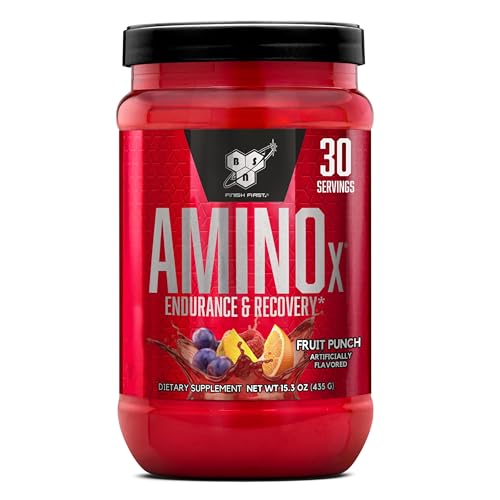
BSN Amino X BCAAs Recovery Powder is the caffeine-free choice, with 10 grams of amino acids per serving and zero sugar. The maker says the micronized powder mixes easily without clumping; the 30-serving container is a powder rather than a single-serve can. It suits buyers who want to avoid caffeine or prefer a larger stated amino-acid amount. The tradeoff is that it does not provide the caffeine included in several other choices, so it will not suit someone seeking a caffeinated drink.
Bottom line: Choose this if you want a caffeine-free powder with 10 grams of amino acids per serving.
Xtend Original BCAA Powder

Xtend Original BCAA Powder focuses on branched-chain amino acids, listing 7 grams per serving in a 2:1:1 ratio, plus essential electrolytes. The maker says the formula is sugar-free and includes L-glutamine. As a powder, it suits someone looking specifically for a BCAA-centered mix rather than an amino-acid drink in a can. The amount is for BCAAs, not a total amino-acid quantity, so compare it accordingly with products that provide a broader amino-acid amount. The caffeine amount is also not included in the product facts.
Bottom line: Pick this if you want a BCAA-focused powder with electrolytes.
How to choose drinks with amino acids
Start with format, then compare the amino-acid amount and caffeine per serving. A can is ready to drink; powders require mixing, so follow the product’s serving directions for the water amount rather than assuming all scoops use the same volume. Check whether the number refers to total amino acids or only BCAAs: BCAAs are the three branched-chain essential amino acids—leucine, isoleucine, and valine—not all nine essential amino acids. If you want a caffeine-free drink, choose a formula explicitly marked caffeine-free instead of inferring from a missing amount. People vary in caffeine sensitivity, and the FDA’s 400 mg daily amount is a general level not usually associated with adverse effects for most healthy adults, not an individual target.
Powder or ready-to-drink format
Choose ready-to-drink cans for convenience and powder when you want to mix your drink. Powders can vary in scoop size and dilution, so compare serving amounts rather than container weights; the weight of a tub does not tell you how many grams of amino acids are in a serving. A label’s serving size and mixing directions determine how much powder and water make one serving. For an all-day caffeine tally, count caffeine from every source, including coffee, tea, energy drinks, and supplements. This matters when using a caffeinated amino drink around workouts: adding it to other caffeinated products can bring the daily total above the FDA’s general 400 mg level for most healthy adults.
Understanding amino acids and electrolytes
Amino acids are the building blocks that make up proteins; the body uses dietary protein to obtain amino acids. The nine essential amino acids must come from food or drinks, while BCAAs are only three of those nine. That distinction matters when comparing a product listing “7 g BCAAs” with one listing “5 g amino acids”—the numbers describe different scopes. Electrolytes such as sodium and potassium are minerals involved in fluid balance and other body functions, but an electrolyte blend’s total weight does not reveal the amount of each mineral. Read individual amounts when comparing electrolyte products, and do not treat an amino-acid beverage as a replacement for water during routine hydration.
Caffeine and workout timing
Caffeine content is a deciding factor for timing and total daily intake. For context, the FDA cites 400 mg per day as an amount not generally associated with negative effects for most healthy adults, while sensitivity differs and certain people may need less. Add up caffeine from all beverages and supplements rather than counting only the amino drink. Caffeine can affect sleep, so avoid taking a caffeinated drink close to bedtime if it disrupts your rest. A caffeine-free powder avoids adding caffeine from that serving, but confirm the label when choosing any product because flavors or product versions can differ. Do not interpret an amino-acid amount as a recommended daily target.
Frequently Asked Questions
What are BCAAs in amino acid drinks?
BCAAs are leucine, isoleucine, and valine, three of the nine essential amino acids. A product stating grams of BCAAs gives a narrower amount than one stating total amino acids.
How much caffeine is in an amino energy drink?
Caffeine amounts depend on the formula; some options here provide 100 mg per serving, while one powder is labeled caffeine-free. The FDA’s general 400 mg daily level applies to most healthy adults and includes caffeine from all sources.
Do amino acid drinks replace protein foods?
No; an amino-acid drink is not automatically a substitute for a protein-containing meal or snack. Check whether its label provides complete protein or only specific amino acids such as BCAAs.
Are amino acid drinks the same as electrolyte drinks?
No; amino acids and electrolytes are different nutrients, although some formulas combine them. Electrolyte totals alone do not show how much sodium or potassium a serving contains.
Can I drink amino acids before a workout?
A serving can be consumed before exercise according to its label directions, but caffeine timing matters if the formula is caffeinated. Keep the daily caffeine total in view and avoid a late serving if caffeine affects your sleep.