
Foul Melanin Correcting Facial Serum: 5 Options Compared

For a melanin correcting facial serum, Melanin Correcting Facial Serum, 3-Pack is the closest match because its name and formula are specifically presented for melanin correction and dark spots. Choose another option if you want a named active such as 10% niacinamide or tranexamic acid, or a vitamin C-focused serum.
Dark spots can have different causes, and cosmetic serums address appearance rather than diagnosis. Daily broad-spectrum SPF 30 or higher helps limit UV-related darkening; use it alongside any brightening routine.
We earn a commission if you buy through links on this page. As an Amazon Associate I earn from qualifying purchases. Products are compared on manufacturer specifications, not hands-on testing.
- Best overall: Melanin Correcting Facial Serum, 3-Pack – Specifically marketed as melanin correcting and includes vitamin C and hyaluronic acid.
- Best for niacinamide: JM Solution Niacinamide 10% Serum – Its name identifies 10% niacinamide with zinc.
- Best for tranexamic acid: Good Molecules Discoloration Correcting Serum – Pairs a tranexamic acid derivative with niacinamide for the look of discoloration.
| Product | Best for | Key ingredients | Size | Pack count | Shop |
|---|---|---|---|---|---|
| Melanin Correcting Facial Serum, 3-Pack | Melanin correction | Vitamin C, hyaluronic acid, collagen | 1.07 fl oz each | 3 | Check Price on Amazon |
| JM Solution Niacinamide 10% Serum | Niacinamide routine | 10% niacinamide, zinc | 0.81 fl oz | 1 | Check Price on Amazon |
| Good Molecules Discoloration Correcting Serum | Discoloration concerns | Tranexamic acid derivative, niacinamide | 1 fl oz | 1 | Check Price on Amazon |
| Glo Melanin Dark Spot Remover | Multiple brightening actives | Kojic acid, tranexamic acid, niacinamide | 1.7 fl oz | 1 | Check Price on Amazon |
| TruSkin Vitamin C Serum | Vitamin C routine | SAP vitamin C, hyaluronic acid, vitamin E | 1 fl oz | 1 | Check Price on Amazon |
Melanin Correcting Facial Serums
Compare each serum’s named ingredients and format to find a closer fit for your routine and skin goals.
Melanin Correcting Facial Serum, 3-Pack

Melanin Correcting Facial Serum, 3-Pack is the only option here explicitly named for melanin correction, and it comes as three 1.07-fl-oz bottles. Its formula combines vitamin C, hyaluronic acid and collagen; the maker also describes it as quickly absorbed and non-greasy. The suggested routine is to apply 2–3 drops to clean, dry skin on the face and neck, then use moisturizer. This set suits someone seeking the product type named in the search.
Bottom line: Choose this if you want a serum specifically labeled for melanin correction in a three-bottle set.
JM Solution Niacinamide 10% Serum
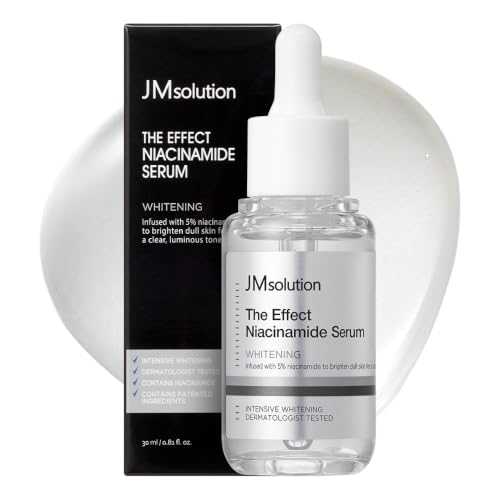
JM Solution Niacinamide 10% Serum stands apart with a named 10% niacinamide concentration and zinc, rather than a formula explicitly labeled for melanin correction. The serum is positioned for blemish and tone concerns, with hydration, texture and barrier support among its aims. Its 0.81-fl-oz bottle is the smallest single-bottle size among these options. The maker describes the formula as lightweight, fast-absorbing and suitable for daily use. It may suit shoppers who specifically want a niacinamide serum; the trade-off is that it is not marketed as a melanin correcting product. Introduce one new active at a time and stop if irritation develops.
Bottom line: Pick this if a named 10% niacinamide formula matters more than a melanin-correction label.
Good Molecules Discoloration Correcting Serum

Good Molecules Discoloration Correcting Serum is formulated around a tranexamic acid derivative—cetyl tranexamate mesylate—and niacinamide, with a focus on the appearance of dark spots and post-acne marks. The 1-fl-oz serum is described as fragrance-free, vegan and suitable for all skin types, including sensitive skin. Its suggested use is a few drops morning and night after toner, followed by moisturizer and daytime SPF. That routine detail makes it a practical fit for someone building a discoloration-focused regimen.
Bottom line: Choose this for a discoloration-focused serum featuring a tranexamic acid derivative and niacinamide.
Glo Melanin Dark Spot Remover
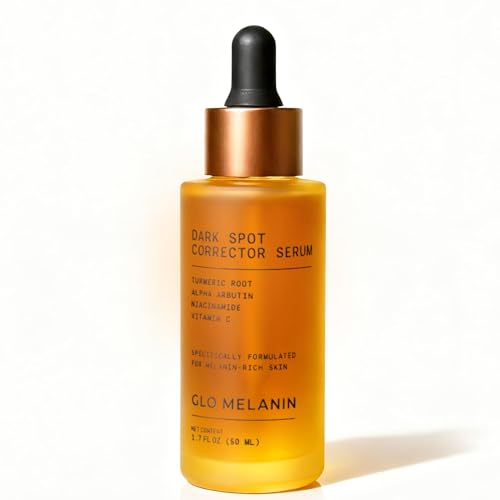
Glo Melanin Dark Spot Remover combines kojic acid, tranexamic acid and niacinamide in a 1.7-fl-oz serum, the largest single-bottle size in this group. Its name targets dark spots and its formula is positioned for discoloration and hyperpigmentation concerns. The maker describes it as non-comedogenic and suitable for sensitive skin. This is a related choice for shoppers looking for several named brightening ingredients in one formula rather than the exact melanin correcting serum in the search.
Bottom line: Pick this if you want a larger bottle with kojic acid, tranexamic acid and niacinamide.
TruSkin Vitamin C Serum

TruSkin Vitamin C Serum is the vitamin C-focused alternative, naming SAP—a stable form of vitamin C—alongside botanical hyaluronic acid and vitamin E. The 1-fl-oz formula is presented for dullness, dark spots and uneven-looking tone, with a gentler daily-use positioning than stronger vitamin C formulas. That makes it relevant to a routine centered on vitamin C rather than a serum specifically labeled for melanin correction. The trade-off is that the ingredient description gives no SAP concentration, so shoppers who need to compare vitamin C strength cannot use this formula’s details to do that.
Bottom line: Choose this if you want a vitamin C-centered serum for dullness and uneven-looking tone.
How to Choose a Melanin Correcting Facial Serum
Start with the active ingredient you want and whether its concentration is identified. A 10% niacinamide serum offers a percentage, while the vitamin C, kojic acid and tranexamic-acid options here do not give concentrations. More ingredients do not automatically mean a better match: choose one formula aligned with your routine and introduce it before adding another active. Dark spots may follow sun exposure, acne or other causes, so a persistent or changing spot is a reason to seek medical advice rather than keep switching cosmetics. For a measurable routine rule, use broad-spectrum SPF 30 or higher every morning; UV exposure can darken spots and undermine a brightening routine. Patch-test a new serum on a small area first, especially if your skin is reactive.
Where Serum Fits in a Skin-Care Routine
Apply a facial serum after cleansing and before moisturizer, unless the product’s directions specify another order. A thin, water-based serum generally goes before a thicker cream because moisturizer helps seal in hydration; avoid layering several new actives at once so irritation has a clearer cause. Daytime sun protection is a key companion to routines targeting discoloration: use broad-spectrum SPF 30 or higher and reapply about every two hours outdoors, and after swimming or sweating. Keep the routine simple if skin becomes irritated: pause the new serum and use gentle cleansing, moisturizer and sunscreen until it settles. These steps support a consistent cosmetic routine, but they do not establish why a dark spot appeared.
How Brightening Ingredients Differ
Vitamin C, niacinamide, tranexamic-acid ingredients and kojic acid are distinct cosmetic actives, not interchangeable names for the same ingredient. The options here pair different actives: some combine niacinamide with a tranexamic acid derivative, while others emphasize vitamin C or kojic acid. A useful comparison rule is to favor a formula that names the active you are seeking and gives a concentration when strength matters; only one option here identifies a percentage. Ingredient lists also do not predict how an individual’s skin will respond. Introduce one active at a time, use a small-area patch test, and avoid applying a new product to broken or inflamed skin. Stop use if persistent burning, swelling or rash develops.
Common Mistakes With Dark Spot Serums
Skipping sun protection is a common mistake: broad-spectrum SPF 30 or higher helps limit UV-driven darkening, while a serum alone cannot shield skin from sunlight. Another mistake is expecting a cosmetic product to identify or treat every cause of pigmentation. Do not apply multiple new actives at once or increase use beyond the product’s directions to chase faster change; irritation can make a routine harder to maintain. Keep serum away from eyes and discontinue it if significant irritation occurs. A spot that changes quickly, bleeds, becomes painful or looks unlike other spots should be assessed by a clinician rather than managed only with cosmetic products.
Frequently Asked Questions
Can a facial serum remove every kind of dark spot?
No cosmetic serum can be assumed to address every cause of a dark spot. Spots that change quickly, bleed or become painful should be assessed by a clinician.
What sunscreen should I use with a brightening serum?
Use broad-spectrum SPF 30 or higher during the day. Reapply about every two hours outdoors and after swimming or sweating.
Should I use a dark spot serum every day?
Use it at the frequency on its directions; some formulas are positioned for daily use, but skin tolerance varies. Start with one new active at a time and stop if irritation persists.
Can I combine niacinamide and vitamin C serums?
Many routines can include both, but adding one product at a time makes irritation easier to identify. Follow each product’s directions and use daytime sunscreen.
How should I patch test a new face serum?
Apply a small amount to a discreet area and watch for irritation before using it across the face. Avoid applying it to broken skin, and discontinue use if a rash or persistent burning develops.