
Gym Shoes Under 50: 5 Fits for Training Compared

For general gym use, Men’s Woven Gym Shoe, Grey is the closest match because its name and features focus on workouts, a lightweight woven upper and a cushioned sole. Choose a running-focused option instead if most of your sessions are treadmill miles, or a chunky sneaker if you want a casual walking style.
Gym shoes cover different designs: running shoes prioritize cushioning for forward motion, while training shoes often use a firmer, wider base for lateral movement and lifting. The products do not establish a price, so confirm the price before buying.
We earn a commission if you buy through links on this page. As an Amazon Associate I earn from qualifying purchases. Products are compared on manufacturer specifications, not hands-on testing.
- Best overall: Men’s Woven Gym Shoe, Grey – Its workout use and woven upper suit general gym sessions.
- Best for walking: BAASPLOA Women’s Chunky Sneaker – It is described for commuting, outdoor walking, gym training and casual wear.
- Best for responsive cushioning: Under Armour Charged Assert 9 – Its Charged Cushioning midsole uses compression-molded foam.
| Product | Best for | Upper | Cushioning | Outsole | Shop |
|---|---|---|---|---|---|
| Men’s Woven Gym Shoe, Grey | General workouts | Flying woven fabric | Memory foam insole | Air-cushion sole | Check Price on Amazon |
| BAASPLOA Women’s Chunky Sneaker | Walking and gym | Two-layer leather and mesh | 8 mm PU foam | MD midsole, TPR outsole | Check Price on Amazon |
| Under Armour Charged Assert 9 | Cushioned runs | Breathable mesh with leather overlays | EVA sockliner; Charged Cushioning midsole | Solid rubber in high-impact zones | Check Price on Amazon |
| adidas Run Falcon 6 | Treadmill running | Textile and synthetic | Cloudfoam cushioning | — | Check Price on Amazon |
| Nike Revolution 8 | Road running | Mesh | Foam midsole | Outsole with forefoot flex grooves | Check Price on Amazon |
Gym Shoes Compared
Match the shoe’s construction to your main activity, then check that the size and fit work for your feet.
Men’s Woven Gym Shoe, Grey

Unlike the running-focused options, this shoe is specifically presented for workouts and gym use. Its flying woven upper is described as breathable and lightweight, and the memory-foam insole is intended to provide stable, soft support. The sole has a tread pattern and air cushioning. That combination may suit general sessions and walking, especially if you prefer a flexible-feeling upper.
Bottom line: Choose this for mixed gym sessions and walking if the men’s size 10.5 fits.
BAASPLOA Women’s Chunky Sneaker

This is the only option with a chunky platform-style look and an explicitly women’s fit. The upper combines two-layer leather and breathable mesh; an 8 mm PU foam insole sits above an MD midsole and TPR outsole. The maker describes it for gym training as well as walking, commuting and casual wear, so it fits buyers who want one sneaker for varied low-impact activities. Its thick, casual construction may feel less purpose-built for lifting or quick direction changes than a training shoe with a broad, firm base. Check that the platform feels stable for your planned movements.
Bottom line: Pick this for casual wear and walking alongside light gym training.
Under Armour Charged Assert 9
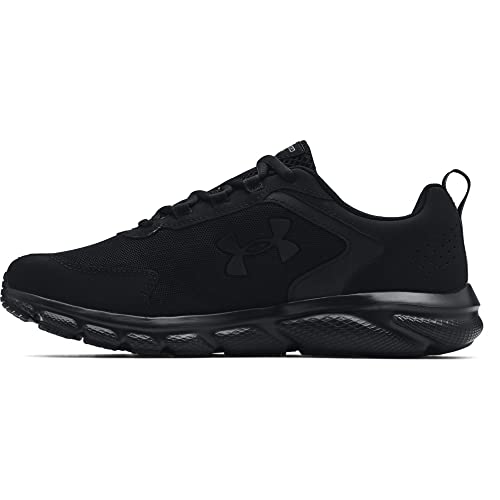
This running shoe differs from the general workout option through its named Charged Cushioning midsole and stability-oriented leather overlays. The upper uses lightweight mesh, while the EVA sockliner adds a soft step-in layer; solid rubber covers high-impact outsole zones. The maker says the compression-molded foam is designed for responsiveness and durability. Those features suit treadmill work or runs mixed into a gym routine. It is a less direct match for lifting-focused sessions, where a firm, stable base is often preferable to a cushioned running platform.
Bottom line: Choose this if running and treadmill work make up much of your gym routine.
adidas Run Falcon 6

This adidas model is a running shoe rather than a dedicated training shoe, and its Cloudfoam cushioning is the distinguishing feature among these men’s options. It has a textile-and-synthetic upper, laces and a textile sockliner. The maker describes the cushioning as consistent and comfortable, which makes the shoe a natural fit for treadmill sessions or other forward-motion cardio. The features do not describe an outsole construction, so buyers who need specific floor grip for side-to-side drills should compare that before choosing it. Its size is 9.
Bottom line: Pick this for running-oriented cardio if size 9 is the right fit.
Nike Revolution 8

This women’s road-running shoe stands out for its forefoot flex grooves and comfort-focused rocker geometry, rather than the more general gym-use framing of Men’s Woven Gym Shoe, Grey. Nike describes the mesh upper as more breathable than the prior Revolution generation, and the heel and tongue have touch points intended to ease on-and-off. The foam midsole provides cushioning. The construction is suited to road runs and treadmill cardio, but buyers seeking a lifting shoe should look for a flatter, firmer platform instead. This colorway is listed in size 6.
Bottom line: Choose this for road running or cardio if the women’s size 6 fits.
How to choose gym shoes for your workout
Choose based on the movement you do most: running shoes cushion forward strides, while training shoes generally use a firmer, broader base for lifting and lateral drills. For a routine split between cardio and light strength work, a versatile shoe can work, but prioritize stability if heavy lifts or rapid side steps dominate. A heel-to-toe drop is the height difference between the heel and forefoot; lower-drop shoes can feel more level, while higher cushioning may feel more comfortable for running. Do not assume a cushioned midsole means dependable lateral support. Try the shoe with your usual gym socks and make sure your heel stays seated during a brisk side step.
Gym shoe fit and sizing checks
Leave roughly a thumb’s width of space in front of the longest toe for running and training shoes, while keeping the midfoot and heel snug enough to prevent sliding. Feet often swell during exercise, so check fit later in the day or after activity rather than relying only on a morning try-on. A shoe that pinches across the forefoot or lets the heel lift can cause rubbing and reduce control. Sizing numbers are not directly interchangeable across brands or styles; use the size as a starting point, not a guarantee. If your feet differ in length, fit the larger foot first and assess whether the smaller one remains secure when laced.
Running shoes versus training shoes
Running shoes are built around repeated forward steps and typically emphasize cushioning; cross-training designs usually trade some softness for a stable base during side-to-side movement. The table gives a practical starting point, not a substitute for trying the movement in the shoe.
| Workout need | Useful shoe trait | Why it matters |
|---|---|---|
| Treadmill or road running | Cushioned midsole | Supports repetitive forward strides |
| Heavy lifting | Firm, broad base | Helps keep the foot steady under load |
| Mixed gym circuits | Secure fit and versatile tread | Balances moving and changing direction |
With frequent lateral drills or heavy lifts, favor a stable training platform over a highly cushioned running design. For mostly running, use the running options as the closer match.
Gym shoe care and common mistakes
Let gym shoes air-dry fully between sessions; trapped moisture can contribute to odor and wear, especially in mesh uppers. Brush off dirt with a soft brush and use mild soap with a damp cloth, then air-dry away from direct heat, which can deform adhesives and foam. Avoid treating an outsole’s general tread as proof of grip on every wet or polished gym floor. Replace shoes when cushioning feels compressed, the outsole is visibly worn, or the upper no longer holds the foot securely; the interval depends on activity and surface. A common mistake is using a running shoe for every movement: a soft, high-cushion platform can feel unstable during loaded side-to-side work.
Frequently Asked Questions
How much toe room should gym shoes have?
Leave about a thumb’s width between the longest toe and the front of a running or training shoe. The heel and midfoot should still feel secure, without slipping during a side step.
Are running shoes suitable for weight training?
They can suit light lifting, but a firm, broad sole is usually steadier for heavy lifts. If the shoe compresses or wobbles under load, choose a flatter training option.
Should gym shoes fit tightly around the heel?
The heel should stay seated without painful pressure or rubbing. Try a brisk walk and side step; noticeable heel lift suggests the fit or lacing needs adjustment.
How should I clean mesh gym shoes?
Use a soft brush and mild soap on a damp cloth, then let the shoes air-dry away from direct heat. Heat can deform foam and adhesive, and a fully dry pair is preferable before the next workout.
When should I replace workout shoes?
Replace them when the outsole is visibly worn, cushioning feels compressed, or the upper no longer holds your foot securely. Heavy use and abrasive surfaces can shorten their useful life.