
Harry Josh Pro Hair Dryer 2000: 5 Models Compared

Harry Josh Pro Tools Pro Dryer 2000 is the named Harry Josh Pro Hair Dryer 2000, and its eight heat, speed and ion settings make it the choice here for people who want multiple controls. Choose a different model if you specifically want a diffuser, a titanium dryer, or a ceramic option.
A hair dryer uses heated airflow to remove water from hair; attachments shape that airflow for different styling needs. Compare the included attachments and controls before choosing an alternative.
We earn a commission if you buy through links on this page. As an Amazon Associate I earn from qualifying purchases. Products are compared on manufacturer specifications, not hands-on testing.
- Best overall: Harry Josh Pro Tools Pro Dryer 2000 – Its eight heat, speed and ion settings offer more listed control options than the alternatives.
- Best for thick hair: BaBylissPRO Nano Titanium Portofino – Its product features specifically call out thick and coarse hair and include a diffuser plus three concentrators.
- Best for textured styles: Conair InfinitiPRO 1875W – It includes a diffuser and concentrator, with three heat settings and two speeds.
| Product | Best for | Wattage | Heat/speed controls | Attachments | Shop |
|---|---|---|---|---|---|
| Harry Josh Pro Tools Pro Dryer 2000 | Flexible styling | — | 8 heat, speed, and ion settings | Standard and extra-wide nozzles | Check Price on Amazon |
| BaBylissPRO Nano Titanium Portofino | Thick hair | 2000 W | 6 heat/speed settings | Diffuser and 3 concentrators | Check Price on Amazon |
| BaBylissPRO Nano Titanium Dryer | Multiple attachments | 2000 W | 6 heat/speed settings | 3 attachments | Check Price on Amazon |
| Conair InfinitiPRO 1875W | Ceramic styling | 1875 W | 3 heat, 2 speed settings | Diffuser and concentrator | Check Price on Amazon |
| BaBylissPRO Ceramix Xtreme | Ceramic airflow | 2000 W | — | Micro concentrator | Check Price on Amazon |
Harry Josh Pro Hair Dryer 2000 and alternatives
Compare the controls and included attachments to find a dryer suited to your styling routine.
Harry Josh Pro Tools Pro Dryer 2000
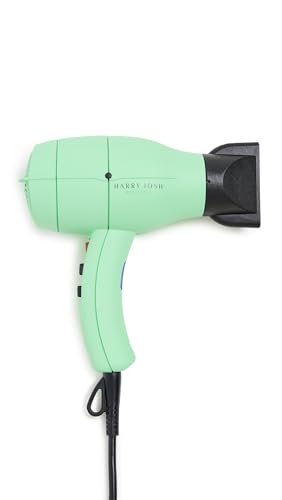
Harry Josh Pro Tools Pro Dryer 2000 is the only Harry Josh Pro Dryer 2000 in this comparison, with eight heat, speed and ion settings and an 80-mph airflow. It includes standard and extra-wide nozzles, a cold-shot button that cools the air, and a 9-foot power cord. Those controls and nozzle choices suit someone who sections hair and styles it with a brush. The tradeoff is that the included attachments are nozzles rather than a diffuser, so curl-focused shoppers may prefer a model that includes one.
Bottom line: Choose this if you want the named model and its range of styling controls.
BaBylissPRO Nano Titanium Portofino

BaBylissPRO Nano Titanium Portofino differs from the Harry Josh model with a 2000-watt motor, a titanium grill and an Italian AC motor. Its features specifically call out thick and coarse hair, and the package includes a diffuser and three concentrators. Six heat and speed settings, a cold shot and a removable stainless steel filter give it a mix of styling and maintenance features. Choose it when you want the titanium and attachment combination; it has six heat/speed settings rather than the Harry Josh model’s eight heat, speed and ion settings.
Bottom line: Pick this if thick or coarse hair and a diffuser are priorities.
BaBylissPRO Nano Titanium Dryer

BaBylissPRO Nano Titanium Dryer is a 2000-watt Nano Titanium dryer with a true ion generator and six heat and speed settings. Its three attachments are a concentrator nozzle, diffuser and straightening pick, giving it a more varied attachment mix than the Harry Josh dryer’s two nozzles. The product features describe it for fine through coarse hair and mention frizz control and shine. It suits shoppers who want an attachment for curls as well as straightening; the settings count is lower than the named Harry Josh model’s.
Bottom line: Choose this if you want a diffuser and straightening pick in one set.
Conair InfinitiPRO 1875W

Conair InfinitiPRO 1875W stands apart with an 1875-watt AC motor and titanium ceramic technology. It has three heat settings, two speeds, a true cold shot, and both a diffuser and concentrator. Its removable lint filter is designed for maintenance, and its 6-foot cord is shorter than the Harry Josh model’s 9-foot cord. This dryer suits someone who wants the ceramic option and two distinct styling attachments. Its heat and speed controls are fewer than those on the named Harry Josh model.
Bottom line: Pick this for ceramic technology and a diffuser-concentrator pairing.
BaBylissPRO Ceramix Xtreme

BaBylissPRO Ceramix Xtreme pairs a 2000-watt AC motor with ceramic technology and a micro concentrator, rather than a set of multiple attachments. Its features emphasize air pressure and even heat distribution, plus a cool-shot button for finishing a style. That makes it a possible fit for someone whose main priority is a concentrator-led blowout and a ceramic dryer. The features do not give a heat or speed setting count, so shoppers who want to compare control options should prioritize a model with those controls spelled out.
Bottom line: Choose this if a ceramic dryer with a micro concentrator fits your styling routine.
How to choose a hair dryer
Start with the controls and attachments you will actually use: heat settings change temperature, speed settings change airflow, and a cool shot provides unheated air for finishing. A concentrator narrows airflow for brush styling, while a diffuser spreads it over a wider area for curls and waves. Wattage is the electrical power rating, not a direct measure of drying time; hair length, density, moisture and airflow design also affect how long drying takes. For a brush blowout, prioritize adjustable heat and a concentrator; for curls, favor a diffuser. When a routine needs both smooth and textured styles, choose a dryer that includes both attachments instead of assuming one nozzle can do both jobs.
Hair dryer attachments and styling needs
Choose the attachment by the shape of airflow your style needs. A concentrator directs air into a narrower stream, which helps direct airflow along a brush; a diffuser disperses airflow over a broader area, which is useful when drying curls without concentrating the stream on one spot. A straightening pick is a separate comb-like attachment for guiding hair as it dries. The table maps common styling needs to attachment types; actual results also depend on technique and hair texture.
| Styling need | Attachment to look for |
|---|---|
| Brush blowout | Concentrator nozzle |
| Curls and waves | Diffuser |
| Guided straightening | Straightening pick |
Check that the attachment is compatible with the dryer model, since nozzle shapes and connection methods can differ.
Heat, distance, and safer drying
Keep a hair dryer moving and hold it about 6 inches from the hair to avoid focusing heat on one area. Use a lower heat setting when hair is fine, damaged, or already mostly dry, and reserve higher heat for damp, dense sections that need more drying power. Sectioning hair helps keep airflow moving across each area rather than repeatedly heating the same strands. Electrical safety matters around water: keep the dryer away from sinks and tubs, unplug it before cleaning, and stop using it if the cord or plug is damaged. Follow the device’s built-in safety features and the manual for maintenance.
Frequently Asked Questions
How far away should a hair dryer be from hair?
Hold the dryer about 6 inches from hair and keep it moving. A closer, stationary stream concentrates heat on a small area.
Is a 2000-watt hair dryer always faster?
No, wattage alone does not determine drying time. Hair length, thickness, moisture and the dryer’s airflow design also affect how quickly hair dries.
When should I use a diffuser instead of a concentrator?
Use a diffuser to spread airflow over curls and waves; use a concentrator to direct a narrower stream for brush styling. Attachments are model-specific, so confirm they fit your dryer.
How often should I clean a hair dryer filter?
Check and clear a removable lint filter about once a month, or sooner if lint is visible or airflow drops. Unplug the dryer before cleaning and follow its manual for the correct method.