
Heat Diffuser for Electric Stove: 4 Models Compared

For a non-induction electric stove, the 9.25-inch cast-iron Heat Equalizer is a direct fit because it is described as compatible with electric cooktops and excludes induction. Choose a different option if you need a diffuser for an induction burner or a heat buffer for glass cookware.
A heat diffuser sits between a burner and cookware to spread heat and soften direct heating; confirm that a diffuser is suitable for your cooktop surface before use.
We earn a commission if you buy through links on this page. As an Amazon Associate I earn from qualifying purchases. Products are compared on manufacturer specifications, not hands-on testing.
- Best overall: Heat Equalizer 9.25-inch Cast Iron Plate – Its 9.25-inch cast-iron plate is described as compatible with electric stoves other than induction.
- Best for glass cookware: Glass Cooktop Diffuser, 3-Piece Stainless Set – The stainless-steel three-piece set is intended as a buffer under glass or ceramic pots.
- Best for smaller pots: Home-X 8-inch Stainless Steel Diffuser – The HIC set includes two diffusers and is described as balancing small pots such as butter warmers.
| Product | Best for | Material | Size | Cooktop fit | Shop |
|---|---|---|---|---|---|
| Heat Equalizer 9.25-inch Cast Iron Plate | Non-induction electric | Cast iron | 9.25 in diameter | Electric, gas, glass, ceramic; not induction | Check Price on Amazon |
| Glass Cooktop Diffuser, 3-Piece Stainless Set | Glass cookware buffer | Stainless steel | 3-piece set; dimensions unclear | Glass, ceramic and electric stated | Check Price on Amazon |
| Home-X 8-inch Stainless Steel Diffuser | Stainless simmering | Stainless steel | 8 in diameter | Gas, electric and induction stated | Check Price on Amazon |
| HIC Kitchen 8.25-inch Diffuser, Set of 2 | Small-pot balancing | Perforated stainless and chrome-plated steel | 8.25 × 15.75 in | Electric, gas and glass stated | Check Price on Amazon |
Heat diffusers for electric stoves
Compare cooktop compatibility, construction and stated dimensions to narrow down the right diffuser for your setup.
Heat Equalizer 9.25-inch Cast Iron Plate
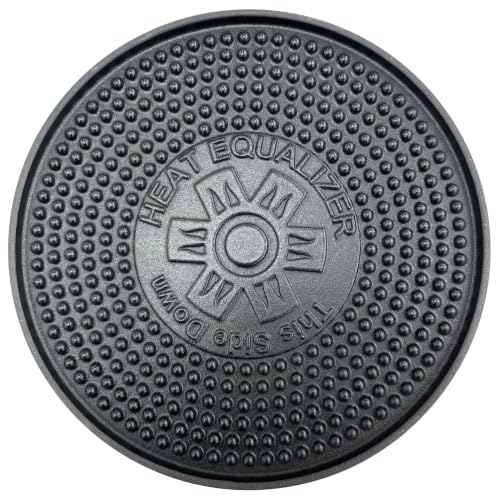
The Heat Equalizer stands out for its 9.25-inch cast-iron surface and explicit fit with electric stoves other than induction. Cast iron is the material, and the plate measures 0.4 inches high. The maker says its design distributes heat and supports simmering and defrosting, so it suits cooks seeking a buffer for ordinary electric, glass or ceramic cooktops. Its key limitation is the induction exclusion: buyers with induction burners need a different product specifically suited to that cooktop, rather than assuming all electric cooktops are interchangeable.
Bottom line: Choose this when you want a large cast-iron diffuser for a non-induction electric stove.
Glass Cooktop Diffuser, 3-Piece Stainless Set

The three-piece stainless-steel set is the only option here specifically framed as a buffer between a stove and glass or ceramic cookware. The maker says it is dishwasher-safe, rust-resistant and intended to distribute heat, and also recommends it under metal pots and pans to reduce sticking or scorching. This makes it a match for buyers focused on glass cookware rather than a single large simmer plate. The individual pieces’ dimensions are unclear, so confirm their size and fit before relying on them with a particular burner or pot.
Bottom line: Pick this set when buffering glass or ceramic cookware is your main concern.
Home-X 8-inch Stainless Steel Diffuser

The Home-X diffuser is the stainless-steel option with a 8-inch diameter, smaller than the 9.25-inch cast-iron plate. The maker says it works on gas, electric and induction cooktops and describes its use as a simmer plate for delicate sauces, with heat spread to reduce hot spots. Its diameter gives buyers a useful size to compare against their cookware base. The specifications do not give its height or weight, so choose it based on the known diameter and cooktop compatibility rather than assuming a specific profile or heft.
Bottom line: Choose this if an 8-inch stainless diffuser and stated induction compatibility suit your setup.
HIC Kitchen 8.25-inch Diffuser, Set of 2

The HIC Kitchen set differs by including two perforated diffusers with removable handles, and the maker identifies small pots such as butter warmers and espresso makers as a use. Each diffuser is specified as 8.25 by 15.75 inches and 0.25 inches high; those dimensions are notably elongated, so check that the footprint fits your burner and storage space. The maker says the set distributes heat and helps reduce scorching while simmering. Buyers wanting a simple round plate may prefer an option with a clearly stated diameter instead.
Bottom line: Pick this set if you need two pieces for smaller pots and can accommodate its footprint.
How to choose a heat diffuser for an electric stove
Start with the cooktop surface and burner type, because electric coil, radiant glass and induction burners do not use identical cookware rules. Induction requires a magnetic path to the pan; a diffuser intended for ordinary electric heat is not automatically induction-compatible. Compare the diffuser’s diameter with the flat base of the pot, and avoid a plate that extends far beyond the active burner. For example, an 8-inch plate is a closer starting point for a smaller burner than a 9.25-inch plate, but the actual burner and pot measurements decide the fit. Also weigh construction against handling: cast iron is substantially heavier than thin sheet metal, so lifting a hot plate requires care and a dry, heat-safe grip.
Electric, glass and induction cooktops need different fit checks
Check the cooktop manual before placing an accessory on a glass surface; a rough or oversized plate can scratch or concentrate heat. Radiant glass elements cycle on and off to regulate temperature, so a diffuser can alter how quickly cookware responds to a setting. For coil burners, the plate should sit stably over the element without rocking. Induction is distinct: a diffuser must be expressly approved for induction use, and metal choice matters because induction heats magnetic cookware through the cooktop. Do not infer compatibility from the word electric alone. If the cooktop maker prohibits intermediary plates, do not use one even when its maker claims broad stovetop compatibility.
Match diffuser size to cookware and task
Use the cookware’s flat base and the burner diameter as the practical size limits: the plate should support the pot without a large overhang, and the pot should sit level. A diffuser is most useful for low, steady heating tasks such as holding a sauce at a gentle simmer; it also slows temperature changes, so it is less suited to quick adjustments. The following comparison focuses on stated dimensions and intended use; it does not substitute for checking actual burner fit.
| Need | Starting choice | Fit check |
|---|---|---|
| Large plate for non-induction electric | 9.25-inch cast iron | Compare with burner and pot base |
| Smaller stated diameter | 8-inch stainless steel | Check burner coverage and cooktop rules |
| Glass or ceramic pot buffer | Three-piece stainless set | Verify piece dimensions and stable seating |
| Small-pot support | Two-piece HIC set | Confirm its 8.25 × 15.75-inch footprint works |
Use and handle a hot diffuser safely
A diffuser becomes hot along with the cookware, and heat may remain after the burner is switched off. Keep hands, towels and plastic tools away from the plate; use dry heat-resistant mitts or a suitable handle when moving it. Set the plate and pot on a stable, level burner before heating, and avoid sliding metal across glass because it can scratch the surface. Start at a lower setting when adapting a simmer recipe: the extra metal changes heat response and may keep cooking after the control is reduced. Let the diffuser cool fully before washing or storing it, and follow the cooktop maker’s restrictions on accessories and cleaning.
Frequently Asked Questions
Can I use a heat diffuser on an electric stove?
Many diffusers are designed for conventional electric burners, but induction compatibility is a separate requirement. Verify the cooktop type and any manufacturer restrictions before placing a plate on the burner.
Will a diffuser protect a glass cooktop?
A diffuser is not a guaranteed protective layer, and dragging it can scratch glass. Use one only if the cooktop maker allows it, keep it level, and lift rather than slide it.
What size heat diffuser should I choose?
Compare the plate diameter with both the burner and the cookware’s flat base; an 8-inch diffuser is a reasonable starting comparison for smaller cookware, not a universal fit. Avoid a plate that overhangs the burner substantially or leaves the pot unstable.
Does a heat diffuser make simmering easier?
A diffuser spreads and buffers heat, which can help keep gentle cooking steadier, but it also slows temperature changes. Start with a lower burner setting and allow extra time when adjusting heat.