
Heat Wraps for Pipes: Insulation and Heat Cables

For hot-water heat loss, Frost King Foil-Backed Fiberglass Wrap is the match because its foil-backed fiberglass insulation comes in a 25-foot roll; for freeze protection, choose a heating cable instead. The named heat-wrap product appears here, alongside electric cable alternatives for water pipes.
Choose a cable only for water-filled metal or plastic pipes, and verify that the cable’s length and installation method suit your pipe before use.
We earn a commission if you buy through links on this page. As an Amazon Associate I earn from qualifying purchases. Products are compared on manufacturer specifications, not hands-on testing.
- Best overall: Frost King Foil-Backed Fiberglass Wrap – A 25-foot foil-backed fiberglass wrap targets heat loss on hot-water lines and condensation on cold pipes.
- Best for long runs: 50-Foot 5W/ft Pipe Heating Cable – The 50-foot, 5W/ft cable is the longest heating-cable option here.
- Best for short runs: Frost King HC6A 6-Foot Heat Cable – The 6-foot cable includes automatic thermostatic control.
| Product | Best for | Type | Length | Output / thickness | Shop |
|---|---|---|---|---|---|
| Frost King Foil-Backed Fiberglass Wrap | Hot-water insulation | Fiberglass insulation | 25 ft | 1 in thick | Check Price on Amazon |
| 50-Foot 5W/ft Pipe Heating Cable | Long water lines | Electric heating cable | 50 ft | 5 W/ft | Check Price on Amazon |
| BDDFOTO 3-Foot 8W/ft Heat Tape | Very short lines | Electric heating cable | 3 ft | 8 W/ft | Check Price on Amazon |
| Frost King HC6A 6-Foot Heat Cable | Short water lines | Electric heating cable | 6 ft | 7 W/ft | Check Price on Amazon |
Heat wraps for pipes compared
Start by choosing insulation for heat retention or an electric cable for freeze protection.
Frost King Foil-Backed Fiberglass Wrap
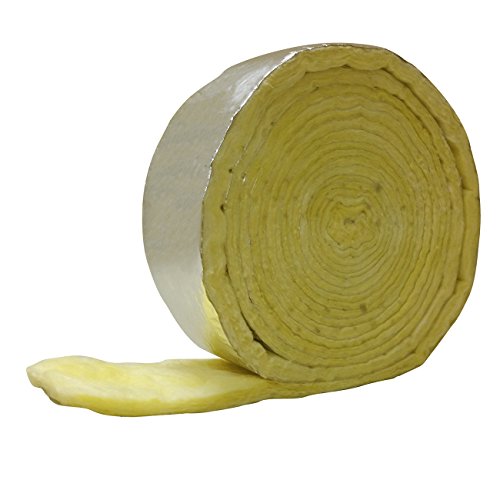
Unlike the electric options, this Frost King wrap is fiberglass insulation for reducing heat loss on hot-water pipes, not an electric freeze-protection cable. The foil backing and vapor barrier are part of its 1-inch-thick, 3-inch-wide wrap, which comes in a 25-foot roll. The maker says it can also help limit sweating on cold-water pipes. It suits a longer insulating run where passive coverage is the goal. Its limitation is fundamental: insulation does not actively heat a pipe, so it is not a substitute for a heat cable where freeze protection is needed.
Bottom line: Choose this for passive insulation on hot-water piping rather than active freeze protection.
50-Foot 5W/ft Pipe Heating Cable

This is the longest cable in the group, with 50 feet of heating cable and 5 watts per foot for water-filled metal or plastic pipes. The maker says it is designed to keep water flowing at temperatures down to -40°F, and identifies copper, PVC, and PEX as compatible pipe materials. It has a 5-foot grounded plug with an indicator light. Choose it for a long pipe run that needs active freeze protection. The cable is not an insulating wrap, and the maker warns against fuel lines and gutters; those uses can overheat it.
Bottom line: Choose this for a long water-pipe run needing electric freeze protection.
BDDFOTO 3-Foot 8W/ft Heat Tape
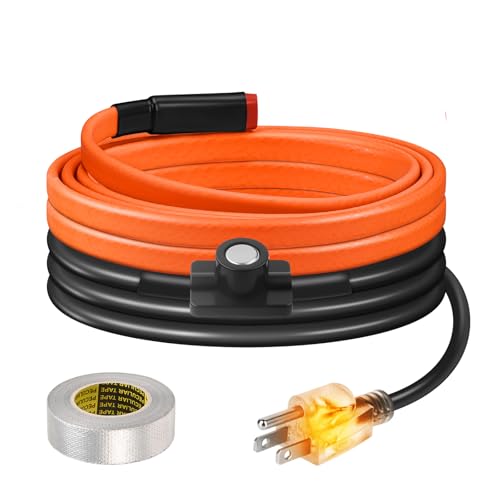
At 3 feet, this BDDFOTO heat tape is the shortest option here, making its cable length the key constraint for a small section of water line. It has an 8W/ft heating cable, a built-in thermostat, a temperature sensor, and an IP65 waterproof rating. The maker describes it for metal or PVC water lines and says the thermostat switches on below 5°C and off above 15°C. It may suit a compact pipe section where those features fit the installation. Its short reach limits it for longer runs, and the product name’s 110V rating should be matched to the intended electrical supply.
Bottom line: Choose this only when a 3-foot heated section matches the pipe run.
Frost King HC6A 6-Foot Heat Cable
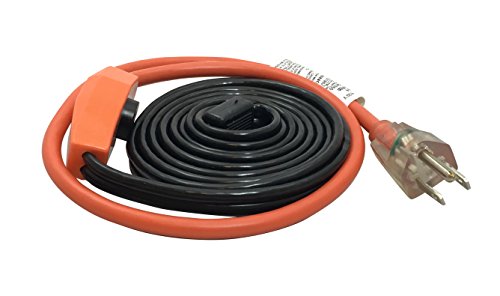
This Frost King option combines a moderate 6-foot length with automatic thermostatic control, distinguishing it from the 50-foot cable and the 3-foot tape. It is a 120V cable rated at 7 watts per foot for metal and plastic water pipes. The maker says it keeps water flowing down to -40°F. That makes it a fit for a short section where automatic control and the pipe compatibility are priorities. Its 6-foot reach is the limitation: measure the pipe run first, because it will not cover a longer section.
Bottom line: Choose this for a short pipe section where automatic control is wanted.
How to choose heat wraps for pipes
Choose by the job first: fiberglass wrap slows heat transfer, while electric heat cable adds warmth to water lines. Insulation is passive and needs no electrical connection; cable needs a suitable power source and must be installed for the pipe material and application specified by its maker. In this set, the wrap is 1 inch thick, while cable outputs range from 5 to 8 watts per foot. These figures describe different things, so they are not direct measures of equivalent performance. If the goal is reducing hot-water heat loss, choose insulation; if the concern is freezing in a water-filled line, consider cable rated for that pipe. Measure the full pipe run before choosing a cable length.
Measure pipe length and coverage
Measure the length of pipe to cover, not the outside dimensions of the package. A 3-foot cable suits only a very short section; a 6-foot cable covers more, while a 25-foot insulation roll and 50-foot cable serve longer runs. Count bends, fittings, valves, and the route to the power connection when estimating the needed reach. Do not assume a cable can be cut or overlapped; the specifications do not establish that installation permission. For a run longer than the cable length, select a longer compatible product rather than leaving a vulnerable section untreated. Confirm the maker’s installation directions for spacing and attachment before applying electric cable.
Insulation wrap versus electric heat cable
Insulation wrap and heat cable solve different problems, so choose by whether the pipe needs retained heat or added heat. Fiberglass with a foil facing is a passive insulating layer; an electric cable is a powered heating element intended here for water pipes. This distinction matters in cold spaces: insulation can slow heat loss but cannot continuously supply heat to a pipe. The cable options have stated outputs of 5, 7, or 8 watts per foot, and their lengths vary from 3 to 50 feet. Use this comparison to narrow the type before comparing length.
| Need | Product type | Key decision |
|---|---|---|
| Slow hot-water heat loss | Fiberglass wrap | Coverage length and thickness |
| Protect water line from freezing | Electric heat cable | Pipe material, cable length, power |
| Short, controlled heated section | Thermostatic cable | Run length and control range |
Heat cable safety and installation
Use electric heat cable only for the water-pipe applications identified by its maker, because an unsuitable application can create an overheating hazard. One cable maker explicitly warns not to use its cable on fuel lines or gutters and says no water can cause overheating. Check that pipe material, voltage, cable length, and outlet arrangement match the product before installation; the options here identify 120V or 110V for some cables. Keep electrical connections and cable routing consistent with the included installation directions, and do not assume waterproofing means submersion-safe. For exposed or vulnerable plumbing, address the full run and fittings rather than heating only an isolated straight section.
Frequently Asked Questions
Can pipe insulation stop a water line from freezing?
Pipe insulation slows heat loss but does not generate heat, so it cannot by itself guarantee freeze protection in sustained cold. An electric heat cable adds heat for compatible water pipes; the maker’s temperature claims apply only to its intended setup.
How many watts per foot should pipe heat cable have?
The options here span 5 to 8 watts per foot, but the rating alone does not decide suitability. Match the cable’s intended pipe material, voltage, length, and installation directions to the run.
Can heat tape be used on PEX water pipe?
Some cable is identified for PEX; the 50-foot cable here names PEX among compatible materials, while the 3-foot tape names metal or PVC. Confirm the specific cable’s compatibility before fitting it to a PEX line.
What length of heat cable should I choose?
Choose a cable at least as long as the intended heated pipe section, allowing for the route around fittings and connection placement. These options range from 3 to 50 feet, so measure the run before selecting.
Can pipe heat cable go on a fuel line?
No: the 50-foot cable maker specifically warns against fuel lines and gutters. It is intended for water-filled metal or plastic pipes, and a non-water application can overheat it.