
High Flavanol Cocoa Powder: 3 Concentrated Options Compared

For a concentrated high flavanol cocoa powder, Black Forest High Flavanol Cocoa Powder is the clearest match for most buyers because its maker gives a 1,200 mg total-compound claim and a 600 mg epicatechin claim per serving.
High flavanol cocoa powder is a cocoa-based powder or extract meant to add cocoa compounds to drinks or food; it is not the same as a sweetened hot cocoa mix.
We earn a commission if you buy through links on this page. As an Amazon Associate I earn from qualifying purchases. Products are compared on manufacturer specifications, not hands-on testing.
- Best overall: Black Forest High Flavanol Cocoa Powder – Its maker gives a 1,200 mg total-compound claim and 600 mg epicatechin per serving.
- Best for unsweetened drinks: High Flavanol Cocoa Powder, 200 g – It is described as unsweetened and intended for coffee, milk, or smoothies.
- Best for baking: High Flavanol Cocoa Powder, 250 g – Its product name includes drinks, oatmeal, and baking as uses.
| Product | Best for | Package size | Flavanol claim | Shop |
|---|---|---|---|---|
| Black Forest High Flavanol Cocoa Powder | Concentrated cocoa | 244 g | 600 mg flavanols | Check Price on Amazon |
| High Flavanol Cocoa Powder, 200 g | Unsweetened drinks | 200 g | 1,200 mg in features; 1,500 mg in name | Check Price on Amazon |
| High Flavanol Cocoa Powder, 250 g | Drinks and baking | 250 g | 1,200 mg | Check Price on Amazon |
High Flavanol Cocoa Powder Compared
Compare the package sizes and per-serving claims, and check serving information before choosing a concentrated cocoa powder.
Black Forest High Flavanol Cocoa Powder
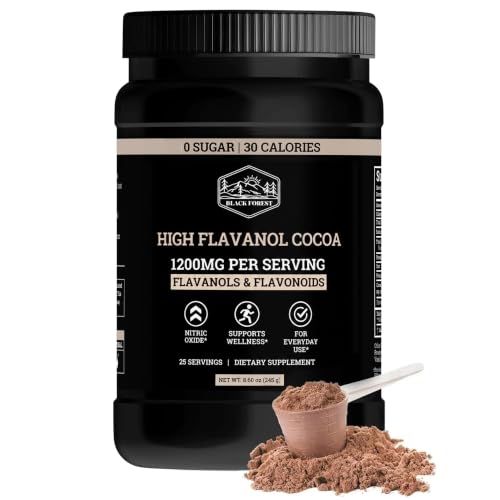
Black Forest High Flavanol Cocoa Powder stands out by separating its 1,200 mg total-compound claim into 600 mg flavanols and 600 mg flavonoids, with 600 mg epicatechin also claimed per serving. This suits buyers who want an explicitly quantified formula for beverages. The limitation is that the maker does not establish a serving size here, so compare the package’s serving facts with your intended daily amount before choosing.
Bottom line: Pick this if its compound breakdown and beverage uses match your routine.
High Flavanol Cocoa Powder, 200 g

High Flavanol Cocoa Powder, 200 g is the option specifically described as unsweetened for coffee, milk, or smoothies, with a more intense cocoa taste than sweet hot cocoa mixes. Its maker claims 1,200 mg cocoa flavanols and 600 mg epicatechin per serving, while the product name says 1,500 mg flavanols; confirm the flavanol amount on the package before ordering. That difference matters most to buyers comparing amounts per serving, rather than simply seeking an unsweetened cocoa format. The 200-gram package is the smallest by weight among these options, and the powder is positioned for daily beverage use.
Bottom line: Choose this for an unsweetened drink powder if you verify the per-serving flavanol figure.
High Flavanol Cocoa Powder, 250 g
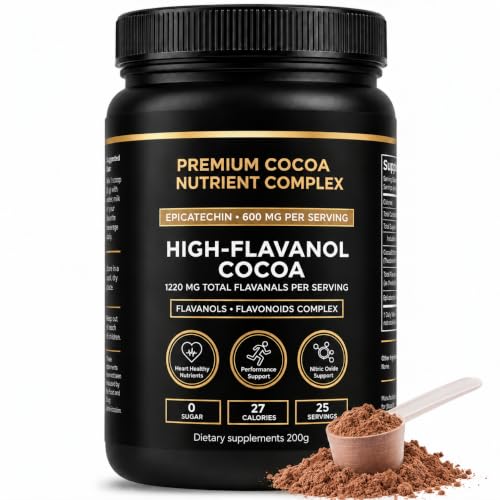
High Flavanol Cocoa Powder, 250 g is the only option whose product name explicitly includes baking alongside smoothies, hot drinks, and oatmeal. The product name gives 1,200 mg flavanols and 600 mg epicatechin per serving, while its maker describes 1,200 mg flavanols and flavonoids together; consider the wording when comparing claims. Its 250-gram package is larger by weight than the 200-gram option, and the formula is described as unsweetened and organic. This fits buyers who want a cocoa ingredient for both drinks and recipes.
Bottom line: Choose this if you want one powder named for drinks, oatmeal, and baking.
How to Compare Cocoa Flavanol Claims
Compare the amount per serving and what the number represents before choosing a high flavanol powder. Cocoa contains flavanols, a subgroup of flavonoids, so a combined “flavanols and flavonoids” figure should not automatically be treated as the same thing as a flavanol-only figure. Epicatechin is one cocoa flavanol, not an extra amount to add to a total unless the label clearly says so. For these options, distinguish per-serving amounts from package weight: grams or ounces describe the whole package, not the amount consumed at once. A practical rule is to shortlist only products whose label gives a clear serving size and an unambiguous flavanol amount if comparing milligrams is your priority.
Natural Cocoa and Alkalized Cocoa
Processing matters because alkalization, also called Dutch processing, can reduce cocoa flavanol content. Natural cocoa is generally more acidic and sharper tasting; alkalized cocoa is treated to reduce acidity and often has a milder flavor. Color alone is not a dependable way to compare flavanol amounts, because bean source and processing both affect the finished powder. When flavanol quantity matters more than taste, look for a per-serving amount on the package rather than inferring concentration from dark color or “cocoa” in the name. These products are presented as concentrated cocoa formats, but their figures use different wording, so compare like-for-like claims rather than treating every total as equivalent.
Choosing a Powder for Drinks or Recipes
Choose a powder based on where it will go and whether you want sweetness added. Unsweetened cocoa can taste more intense than a sweetened cocoa mix, so a smoothie, coffee, or oatmeal may need other ingredients for balance. Baking also changes how cocoa behaves: recipes formulated for natural cocoa may rely on its acidity, while recipes using Dutch-process cocoa typically account for a less acidic ingredient. If a recipe specifies one style, do not assume a concentrated extract can replace ordinary cocoa powder in the same amount; the products may differ in strength and texture. For routine drinks, begin with the package serving suggestion and adjust flavor only within its directions.
Serving and Safety Checks
Check the serving size and ingredient panel before making a daily routine, especially if you are comparing concentrated extracts with regular cocoa powder. Cocoa naturally contains theobromine and may also contain caffeine, but amounts vary by cocoa source and processing; confirm stimulant content with the manufacturer if you need to limit either compound. Do not use a claimed flavanol amount as a substitute for medical advice or prescribed care. If pregnant, nursing, taking medication, or managing a health condition, ask a qualified clinician before using a concentrated supplement-style product. Keep powders dry and use a clean, dry utensil to limit moisture entering the container.
Frequently Asked Questions
Are cocoa flavanols the same as flavonoids?
No. Flavanols are a subgroup of flavonoids, so a combined flavanols-and-flavonoids figure may not mean the same thing as a flavanol-only amount. Compare the wording and serving basis on each package.
What does 10X concentrated cocoa mean?
“10X concentrated” is a product claim, not a standardized serving size across cocoa powders. Compare the actual per-serving amount and instructions rather than assuming 10X means ten times a specific nutrient amount.
Does alkalized cocoa have fewer flavanols?
Alkalization can reduce cocoa flavanols, though the amount varies with the cocoa and processing. If flavanol content is your priority, use a clear per-serving claim rather than color or taste as a proxy.
Can I use high flavanol cocoa powder for baking?
You can use cocoa in baked recipes, but concentrated extracts may not behave like ordinary cocoa powder in equal amounts. Start with a recipe designed for the product or follow its package serving guidance, especially when replacing cocoa in a recipe balanced for natural or Dutch-process cocoa.
Does cocoa powder contain caffeine?
Cocoa can contain caffeine and theobromine, but the amounts vary by source and processing. If you need to limit stimulants, confirm the amounts for the specific powder before use.