
Himalayan Salt for Electrolytes: 3 Options Compared

For a ready-to-mix electrolyte drink that includes pink Himalayan salt, Salt of the Earth Pink Lemonade Sticks is the closest fit because it comes in individual drink-mix sticks; choose Santa Cruz Paleo Peach Electrolyte Powder if you want a powder with magnesium and potassium ingredients, or Himalayan Chef Fine Pink Salt if you want plain salt rather than a formulated mix.
Electrolyte powders combine minerals with water, while table salt is primarily sodium chloride and does not provide a complete electrolyte blend on its own.
We earn a commission if you buy through links on this page. As an Amazon Associate I earn from qualifying purchases. Products are compared on manufacturer specifications, not hands-on testing.
- Best overall: Salt of the Earth Pink Lemonade Sticks – Individual pink lemonade sticks make it the most direct ready-to-mix option.
- Best for added minerals: Santa Cruz Paleo Peach Electrolyte Powder – Its ingredient list includes magnesium glycinate and potassium chloride alongside pink salt and sea salt.
- Best for plain salt: Himalayan Chef Fine Pink Salt – Fine-grain pink salt suits buyers who want salt by itself rather than a drink-mix formula.
| Product | Best for | Format | Count or size | Notable ingredients | Shop |
|---|---|---|---|---|---|
| Salt of the Earth Pink Lemonade Sticks | Single-serve mixing | Drink mix sticks | 30 sticks | Pink Himalayan salt | Check Price on Amazon |
| Santa Cruz Paleo Peach Electrolyte Powder | Mineral variety | Powder | 30 servings | Pink salt, sea salt, magnesium, potassium | Check Price on Amazon |
| Himalayan Chef Fine Pink Salt | Plain salt use | Fine-grain salt | 1 pound | Pink Himalayan salt | Check Price on Amazon |
Himalayan Salt for Electrolytes
Compare a ready-to-mix stick, a multi-ingredient powder, and plain fine-grain salt by format and ingredients.
Salt of the Earth Pink Lemonade Sticks
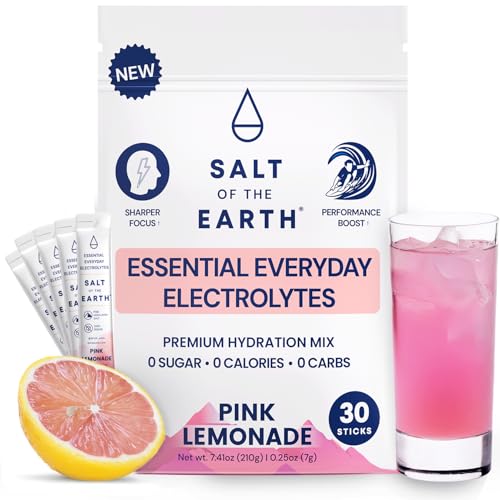
Individual sticks set this drink mix apart from the tub powder and plain salt. The pack contains 30 pink lemonade sticks, each 0.25 ounce, and the maker describes the formula as zero-sugar and made with pink Himalayan salt. The brand positions it for keto, low-carb, and gluten-free diets. Choose it if you prefer portioned packets for mixing rather than measuring salt or scooping powder.
Bottom line: Choose this if you want portioned pink lemonade drink-mix sticks.
Santa Cruz Paleo Peach Electrolyte Powder

Magnesium glycinate and potassium chloride distinguish this powder from the stick mix and the plain salt. Its ingredient list also includes Himalayan pink salt and sea salt, and it is peach flavored and sweetened with stevia. The maker says the mix has no added sugar or artificial sweeteners. Choose it if you want those named ingredients together in a scoopable powder.
Bottom line: Choose this if you want a powder with named magnesium and potassium ingredients.
Himalayan Chef Fine Pink Salt
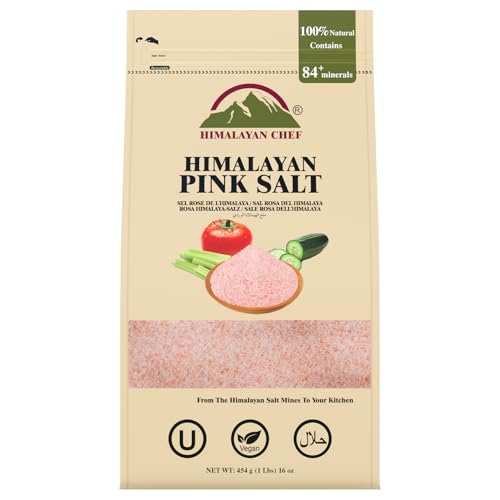
Unlike the two formulated drink mixes, this is a 1-pound bag of fine-grain pink Himalayan salt for cooking, seasoning, baking, and table use. The maker describes it as pure, natural salt, and the fine grain makes it suitable when a recipe calls for salt rather than a flavored powder. It may fit someone seeking a plain salt ingredient, but it is not an electrolyte blend with separately named magnesium and potassium ingredients. Buyers who specifically want a measured drink mix should choose one of the powders instead.
Bottom line: Choose this for plain salt use, not a formulated electrolyte drink.
How to choose Himalayan salt for electrolytes
Choose a formulated drink mix when you want more than sodium chloride in a drink. Sodium and chloride are the main ions in table salt; potassium and magnesium are other electrolytes often included in hydration formulas. Check the ingredient panel and the amount per serving rather than relying on the word “electrolyte” or a pink color. Here, Salt of the Earth Pink Lemonade Sticks identifies pink Himalayan salt, while Santa Cruz Paleo Peach Electrolyte Powder also names magnesium glycinate and potassium chloride. Neither product’s facts give amounts per serving, so confirm those figures if you are following a specific intake target. For ordinary cooking, plain salt is a different purchase from a measured electrolyte blend.
Salt and electrolyte powders compared
Plain salt and drink powders serve different roles: salt seasons food, while a drink mix combines ingredients for dilution in water. A pink hue does not establish a particular sodium, potassium, or magnesium dose. Compare the format and named ingredients first, then verify serving amounts where dose matters. A packet offers preportioned use; a tub or bag requires measuring. The plain salt option is the only one here that is not itself sold as an electrolyte drink mix.
| Need | Product type | What to compare |
|---|---|---|
| Portioned drink mix | Single-serve sticks | Electrolyte amount per stick |
| More named minerals | Multi-ingredient powder | Amount of each mineral per scoop |
| Cooking or seasoning | Plain fine salt | Grain size and recipe quantity |
How much sodium is in salt
Table salt is roughly 40% sodium by weight, so 1 gram of salt contains about 400 milligrams of sodium; pink salt is still salt, not a low-sodium substitute. The exact amount in a measured spoon varies with grain size and how tightly it is packed, so weighing salt is more consistent than using a volume scoop. The FDA Daily Value for sodium is 2,300 milligrams per day for adults and children ages 4 and older. That is a general label reference, not a personalized target. People managing a medical condition or a prescribed sodium limit should use their clinician’s guidance rather than adding salt to water by guesswork.
Using electrolyte mixes safely
Mix a powder with the water volume its package directs; concentrating a serving changes the beverage’s strength and may make it harder to track intake. Do not assume that more salt means better hydration: sweat losses and fluid needs differ with heat, exertion, and the individual. For a practical choice, prefer a product that states sodium and other electrolyte amounts per serving when you need to replace measured losses. Sports drinks and electrolyte mixes are not interchangeable with medical oral rehydration solutions, which use a specific glucose-and-salt formulation. Anyone with kidney, heart, or blood-pressure concerns should ask a clinician before routinely using electrolyte supplements.
Frequently Asked Questions
Does pink Himalayan salt contain electrolytes?
Yes. Pink Himalayan salt is primarily sodium chloride, so it supplies sodium and chloride, but it is not a complete mix of electrolytes such as potassium and magnesium. A drink mix may add other minerals; compare its serving amounts.
Can I add Himalayan salt to drinking water?
One gram of salt contains about 400 milligrams of sodium, so avoid estimating doses by eye, especially if limiting sodium.
Is pink salt a low-sodium alternative to table salt?
No. Pink salt is still primarily sodium chloride and should not be treated as a low-sodium replacement. The sodium in a spoonful can vary with grain size and packing, so use nutrition labels or weight when tracking intake.
When should I use an electrolyte drink mix?
A mix can be useful when fluid and electrolyte replacement is needed during prolonged exercise or heavy sweating, but routine use is not necessary for everyone. Heat, exertion, and sweat loss affect needs; follow the mix’s dilution directions and avoid extra salt by guesswork.
What should I compare on an electrolyte powder label?
Compare sodium, potassium, and magnesium amounts per serving, along with the water volume used to mix it. A mineral ingredient alone does not show how much of that mineral one serving provides.