
Hot Shapers Waist Trainer: Cami Styles Compared

The Hot Shapers Cami Hot Waist Cincher with a three-row hook closure suits shoppers who want adjustable compression, while the neoprene cami is a simpler workout-focused choice. A separate zipper sauna vest or wrap-style belt may suit shoppers who prefer those designs, but neither is a Hot Shapers cami.
We earn a commission if you buy through links on this page. As an Amazon Associate I earn from qualifying purchases. Products are compared on manufacturer specifications, not hands-on testing.
- Best overall: Hot Shapers Cami Cincher, Medium – Its three-row front hook closure allows compression to be adjusted.
- Best for workout wear: Hot Shapers Cami Waist Cincher, Small – The neoprene cami is designed for workouts and daily wear.
- Best for zipper closure: Junlan Sauna Suit Vest, Large – The sauna vest uses a front zipper instead of hooks.
| Product | Best for | Style | Fabric | Closure | Shop |
|---|---|---|---|---|---|
| Hot Shapers Cami Cincher, Medium | Adjustable compression | Cami | Neotex | 3-row hooks | Check Price on Amazon |
| Hot Shapers Cami Waist Cincher, Small | Neoprene workouts | Cami | Neoprene | — | Check Price on Amazon |
| Junlan Sauna Suit Vest, Large | Zipper vest fit | Vest | Heat-trapping polymer | Front zipper | Check Price on Amazon |
| FeelinGirl Triple-Wrap Waist Trainer, Medium | Wrap-belt compression | Triple-wrap belt | Resilient fabrics; includes latex | Hook-and-loop | Check Price on Amazon |
Hot Shapers Waist Trainers
Compare the cami designs by construction and the alternatives by the way they close and fit.
Hot Shapers Cami Cincher, Medium

The three-row front hook closure sets this cami apart by allowing the wearer to adjust compression. Its longer torso and shoulder straps target the waist, tummy, and back, and the Neotex fabric is designed to retain heat during activity. The medium size is the size for this unit. Choose it if you want cami coverage with a closure that can be adjusted. The hook system may be less convenient than a zip-front vest for someone who prefers a single fastener.
Bottom line: Pick this if adjustable hook closure matters more than a quick zip.
Hot Shapers Cami Waist Cincher, Small
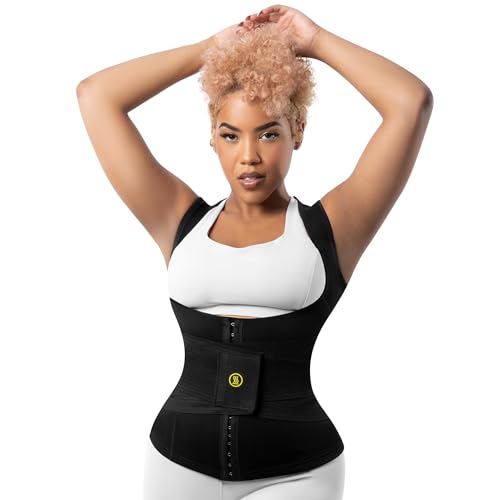
The neoprene construction distinguishes this Hot Shapers cami from the Neotex model. The vest-style design combines waist compression with coverage over the torso, and it is intended for workouts as well as daily wear. Its size is small. Hot Shapers says the material helps retain heat during activity; heat retention can make strenuous exercise less comfortable, so this is not the right choice for someone seeking a light, cool layer.
Bottom line: Choose it for a neoprene cami intended for workouts and daily wear.
Junlan Sauna Suit Vest, Large

The front zipper distinguishes this lightweight sauna vest from the Hot Shapers cami styles. It uses heat-trapping polymer fabric and light compression, with a tank-top shape intended for workouts. The size is large. Junlan makes performance claims about sweat and exercise effects, but sweat volume should not be treated as a measure of fat loss or fitness progress. This is a different brand and a zip-front vest rather than a Hot Shapers cincher, so choose it only if that garment type is what you want.
Bottom line: Pick this if you want a lightweight, zip-front sauna vest instead of a cami cincher.
FeelinGirl Triple-Wrap Waist Trainer, Medium

The triple-wrap belt construction makes this a different option from the cami-style Hot Shapers garments. Its hook-and-loop closure and firm compression target midsection smoothing and support, while its medium size is the fit. The material includes latex, which can trigger allergic reactions in people with sensitivities. This underbust belt does not provide the torso coverage of a cami or sauna vest, so it is a poor match for shoppers specifically seeking a vest-style waist trainer.
Bottom line: Choose this if you prefer a wrap belt and do not have latex sensitivity.
How to choose a waist trainer style
Start with garment shape and closure, not sweat claims: a cami covers the torso, a vest closes like a top, and a wrap belt concentrates material around the midsection. Hook rows can offer adjustment across the front, while a zipper gives a single fastening line; hook-and-loop wraps are secured by overlapping the belt. A tighter garment does not make exercise more effective, and sweat loss is temporary fluid loss rather than fat loss. For workout clothing, favor a fit that lets you breathe deeply and move without pain or numbness; remove it if those symptoms occur. Choose a cami for shoulder-strap coverage, a vest for tank-top coverage, or a belt when you want a narrower wrap.
How to judge waist trainer fit
Use the maker’s size chart and body measurements rather than choosing by usual clothing size; compression garments need to lie flat without digging in or shifting during movement. A waist trainer should not prevent a full breath, bend your ribs, cause tingling, or leave persistent pain. Between sizes, the FeelinGirl instructions recommend sizing up; do not force a smaller garment closed. Allow room for the clothing you plan to wear over it, and try sitting, bending, and taking several full breaths before exercising. A visible gap, rolling edge, or need to hold your breath signals a poor fit. Verify the size chart for the exact model before ordering because sizing systems can differ across garment types.
What heat-trapping fabric changes during exercise
Neoprene and heat-trapping polymer fabrics are intended to retain warmth, which can increase perspiration but also raise the chance of overheating during strenuous activity. Sweat is mostly water and salts, so replacing fluids matters more than trying to maximize perspiration; drink to thirst and take cooling breaks, especially in hot or humid conditions. Stop exercising and cool down if you feel dizzy, nauseated, unusually weak, or confused. These garments do not determine how many calories an activity burns, and temporary water loss returns after rehydration. A heat-trapping layer is a poor fit for hot outdoor training or anyone who cannot easily remove it mid-session.
Waist trainer styles at a glance
Use garment shape and fastening as the quick decision: choose a cami for shoulder coverage, a vest for a zip-front tank shape, or a wrap for a belt-like fit.
| Style | Coverage | Fastening |
|---|---|---|
| Cami cincher | Torso with shoulder straps | Hooks or model-specific |
| Sauna vest | Tank-top shape | Front zipper |
| Wrap belt | Midsection | Hook-and-loop |
Material and coverage affect comfort as much as closure. Check for latex sensitivity before choosing a belt that contains latex, and stop wearing any garment that causes skin irritation or breathing restriction.
Frequently Asked Questions
Can a waist trainer help you lose fat?
A waist trainer does not cause lasting fat loss; any immediate scale change from heavy sweating is water that returns with rehydration. Exercise and nutrition, not perspiration volume, determine longer-term changes in body fat.
How tight should a waist trainer feel?
A waist trainer should feel supportive without limiting a full breath or causing pain, tingling, or numbness. Remove it immediately if those symptoms appear, and size up rather than forcing a tight closure.
Can you wear a sauna vest in hot weather?
Heat-trapping fabric can make overheating more likely in hot or humid conditions. Choose a cooler layer for outdoor heat, and stop to cool down if dizziness, nausea, or unusual weakness starts.
What should you wear under a waist trainer?
A thin, smooth, breathable layer can reduce friction between fabric and skin. Avoid a bulky layer that changes fit or makes the garment restrict breathing.
How do you check for a latex sensitivity?
Avoid garments containing latex if you have a known latex allergy, and check the material composition before wearing one. Stop use if a rash, itching, or swelling develops.