
Hydrolyzed Protein Dog Food Alternatives Compared

SquarePet Veterinarian Formulated Solutions is the best fit for most shoppers seeking a hydrolyzed protein dog food alternative because it is formulated without a prescription and uses pork hydrolysate. Choose a different formula if you need a veterinary-exclusive diet or want hydrolyzed salmon.
Hydrolyzed food uses proteins broken into smaller components; a veterinarian can help determine whether it suits a food-elimination trial.
We earn a commission if you buy through links on this page. As an Amazon Associate I earn from qualifying purchases. Products are compared on manufacturer specifications, not hands-on testing.
- Best overall: SquarePet Hydrolyzed Pork – Hydrolyzed pork formula described as an alternative that does not require a prescription.
- Best for salmon: Diamond Care Sensitive Skin Hydrolyzed Salmon – Uses hydrolyzed salmon as its single protein source.
- Best for veterinary diets: Royal Canin Veterinary Hydrolyzed HP – Veterinary-exclusive adult formula with hydrolyzed soy protein.
| Product | Best for | Hydrolyzed protein | Package weight | Access type | Shop |
|---|---|---|---|---|---|
| SquarePet Hydrolyzed Pork | Nonprescription option | Pork | 4.4 lb | No prescription required | Check Price on Amazon |
| Royal Canin Veterinary Hydrolyzed HP | Veterinary-exclusive diet | Soy | 25.3 lb | Veterinary-exclusive | Check Price on Amazon |
| Diamond Care Sensitive Skin Hydrolyzed Salmon | Hydrolyzed salmon | Salmon | 25 lb | — | Check Price on Amazon |
| Royal Canin HP Hydrolyzed Protein 7.7 lb | Smaller package | Soy | 7.7 lb | Veterinary-exclusive | Check Price on Amazon |
Hydrolyzed Protein Dog Food Alternatives
Compare the protein source, package weight, and access type to find a formula that fits your dog’s plan.
SquarePet Hydrolyzed Pork

SquarePet stands apart as the option described as an alternative to veterinary hydrolyzed diets without a prescription. Its dry formula uses hydrolyzed pork, a limited-ingredient approach with one primary carbohydrate source, and omega-3 and omega-6 fatty acids including DHA and EPA. The maker says it is veterinarian-formulated for dogs with food sensitivities and skin, coat, or digestive concerns. The 4.4-pound package is smaller than the 25-pound-plus bags here, which may suit a short trial or a smaller dog. Its pork formula may not fit a plan that calls for another protein source.
Bottom line: Choose this if you want a nonprescription hydrolyzed pork formula.
Royal Canin Veterinary Hydrolyzed HP

Royal Canin is the veterinary-exclusive choice among these alternatives, rather than a nonprescription substitute. Its adult dry food uses hydrolyzed soy protein composed of low-molecular-weight peptides, and the maker says the formula supports digestive health and the skin barrier. EPA and DHA are included, along with features intended to support intestinal transit and balanced digestive flora. The 25.3-pound bag is the largest package in this group. Because access is veterinary-exclusive, this formula is best suited to buyers working with a veterinarian who has selected it for the dog’s feeding plan.
Bottom line: Choose this when a veterinarian recommends this veterinary-exclusive soy formula.
Diamond Care Sensitive Skin Hydrolyzed Salmon
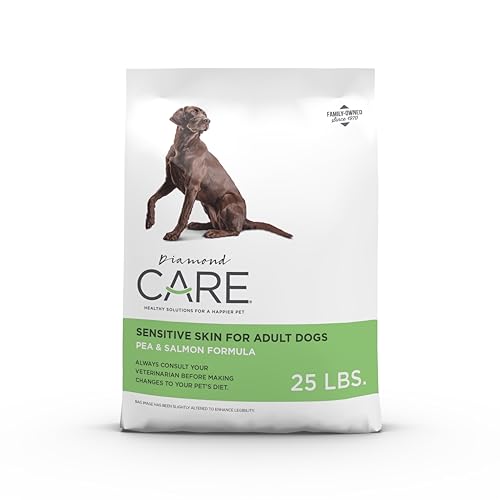
Diamond Care is the only formula here identified with hydrolyzed salmon as its single protein source. The dry food is positioned as a limited-ingredient diet and includes omega-3 and omega-6 fatty acids, vitamin E, and probiotics. The maker says the formula is highly digestible and guarantees levels of probiotics and certain nutrients. Its 25-pound package provides a larger quantity than the 4.4-pound SquarePet bag. The facts do not establish that it is a veterinary diet or a substitute for a veterinarian-directed elimination plan, so confirm that it fits the plan before switching.
Bottom line: Choose this if hydrolyzed salmon is the protein your dog’s plan calls for.
Royal Canin HP Hydrolyzed Protein 7.7 lb

Royal Canin’s 7.7-pound bag offers the same hydrolyzed soy adult formula as the 25.3-pound version, but in a smaller package. The maker says its low-molecular-weight soy peptides are highly digestible and that the formula supports skin and digestive health; it also includes EPA and DHA. This is a veterinary-exclusive diet, not a nonprescription alternative. The smaller bag can be a practical fit when a veterinarian has chosen this formula and a full-size bag would be more food than needed for the current plan.
Bottom line: Choose this if your veterinarian selected Royal Canin HP and a smaller bag fits your needs.
How to choose a hydrolyzed dog food alternative
Start with the protein source and the reason the diet is being considered. Hydrolyzed proteins are broken into smaller pieces; that does not make every hydrolyzed food interchangeable, because formulas can use different source proteins and other ingredients. For a diagnostic elimination diet, veterinarians commonly use a strict feeding trial lasting about eight weeks, sometimes longer depending on symptoms and veterinary advice. During that period, feeding extra foods can muddy the result. If a veterinarian has specified a prescription or veterinary-exclusive formula, do not substitute a retail alternative without checking first. A useful decision rule is to follow the named protein and access requirements in the feeding plan, then choose package size based on how much food the dog will need during the trial.
What hydrolyzed protein means for a food trial
Hydrolyzed food contains protein broken into smaller components, while a novel-protein diet uses a protein the dog has not previously eaten. A veterinarian may select either approach based on the dog’s diet history and health. A food trial is only informative when the chosen diet is fed consistently: treats, table scraps, flavored medications, chews, and other pets’ food can add proteins outside the plan. Ask the veterinarian how to handle those items before starting. Keep a simple log of the food, treats allowed by the veterinarian, and symptom changes, and do not switch formulas mid-trial unless the veterinarian advises it. Persistent itching, vomiting, or diarrhea warrants veterinary guidance rather than repeated unsupervised food changes.
Compare the formula types and package sizes
These options differ in protein source, package size, and whether the food is veterinary-exclusive. Use the access category as a constraint first, then compare protein and quantity.
| Need | Relevant option | What separates it |
|---|---|---|
| Nonprescription hydrolyzed formula | SquarePet Hydrolyzed Pork | Hydrolyzed pork; 4.4 lb |
| Hydrolyzed salmon | Diamond Care Sensitive Skin Hydrolyzed Salmon | Single hydrolyzed salmon protein; 25 lb |
| Veterinary-exclusive soy formula | Royal Canin Veterinary Hydrolyzed HP or Royal Canin HP Hydrolyzed Protein 7.7 lb | Same formula in 25.3 lb or 7.7 lb bags |
A bag’s weight is not a feeding duration: daily portions depend on the dog’s weight, condition, and the formula’s feeding guidance. Store dry food sealed in a cool, dry place, and transition diets under veterinary direction, particularly when a dog has active digestive symptoms.
Frequently Asked Questions
How long does a dog food elimination trial take?
A strict elimination trial commonly lasts about eight weeks, though a veterinarian may recommend a different duration. Feeding treats or flavored items outside the plan can interfere with interpreting the result.
Can dogs have treats during a hydrolyzed diet trial?
Only use treats approved for that dog’s trial. Even a small amount of an unrelated treat can introduce another protein and make the trial harder to interpret.
Are hydrolyzed and novel-protein dog foods the same?
No; hydrolyzed food uses protein broken into smaller components, while novel-protein food relies on a source the dog has not previously eaten. A veterinarian can choose between these approaches based on diet history.
Should I switch my dog to hydrolyzed food without a vet?
Ask a veterinarian first if the goal is diagnosing a food reaction or managing ongoing symptoms. Veterinary-exclusive formulas require veterinary access, and an unsupervised change can complicate a strict food trial.
How should I change my dog’s food?
A gradual transition over about seven days is commonly used for healthy dogs, mixing increasing amounts of the new food with the old. Ask a veterinarian for a different schedule if your dog has active digestive symptoms or is beginning a diagnostic trial.