
Jasmine Rice Three Ladies: Grain Types Compared

Three Ladies long grain jasmine rice is the closest fit for a standard jasmine rice purchase, with a 5-pound bag of Thai fragrant rice. Choose the organic 5-pound option if organic certification matters, or broken rice for recipes that call for broken grains; the 25-pound option suits larger-volume cooking.
We earn a commission if you buy through links on this page. As an Amazon Associate I earn from qualifying purchases. Products are compared on manufacturer specifications, not hands-on testing.
- Best overall: Three Ladies Long Grain Jasmine Rice, 5 lb – A 5-pound bag of Thai long grain jasmine rice.
- Best for organic: Three Ladies Organic Thai Jasmine Rice, 5 lb – A 5-pound bag identified as USDA organic Thai long grain jasmine rice.
- Best for broken rice dishes: Three Ladies Jasmine Broken Rice, 5 lb – A 5-pound bag specifically labeled jasmine broken rice.
| Product | Best for | Rice type | Bag size | Origin or certification | Shop |
|---|---|---|---|---|---|
| Three Ladies Long Grain Jasmine Rice, 5 lb | Everyday jasmine rice | Long grain | 5 lb | Thailand | Check Price on Amazon |
| Three Ladies Jasmine Extra Super Quality, 25 lb | Bulk cooking | Jasmine rice | 25 lb | — | Check Price on Amazon |
| Three Ladies Organic Thai Jasmine Rice, 5 lb | Organic preference | Long grain jasmine | 5 lb | Thailand; USDA organic | Check Price on Amazon |
| Three Ladies Jasmine Broken Rice, 5 lb | Broken rice recipes | Broken jasmine rice | 5 lb | — | Check Price on Amazon |
Three Ladies Jasmine Rice Options
Compare the grain form, package size, and stated origin or certification to match the rice to your cooking needs.
Three Ladies Long Grain Jasmine Rice, 5 lb
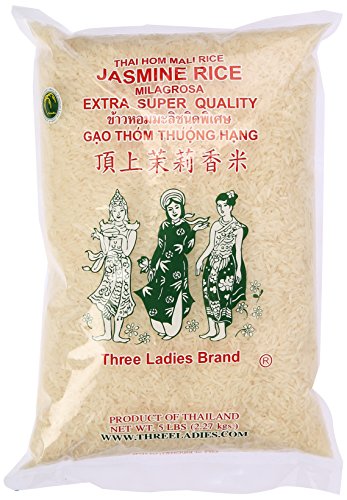
This is the standard long grain choice in this group, with 5 pounds of Three Ladies jasmine rice from Thailand. The rice is also known as Thai fragrant rice, making it a fit for meals where jasmine rice is the intended grain rather than broken rice. The 5-pound bag is a manageable size for households that do not need a bulk sack. The specifications do not identify an organic certification, so choose the separate organic option if that requirement matters to you.
Bottom line: Choose this for a 5-pound bag of standard Thai long grain jasmine rice.
Three Ladies Jasmine Extra Super Quality, 25 lb

The 25-pound package is the largest option here, making it the practical choice when jasmine rice is used in larger quantities. That makes this a less precise match for shoppers who specifically want Thai long grain rice. Pick it for bulk use when the package size matters more than a grain form; confirm the grain type before ordering if a recipe requires long grain rice.
Bottom line: Choose this when a 25-pound jasmine rice bag is the priority.
Three Ladies Organic Thai Jasmine Rice, 5 lb

This option is distinguished by its USDA organic designation while keeping the same 5-pound package size as the standard long grain bag. It is identified as Thai long grain jasmine rice, so it suits buyers who want that grain type as well as an organic product. Compared with the standard bag, the key choice is certification rather than package size. If organic certification is not part of the buying criteria, the standard 5-pound rice is the simpler match.
Bottom line: Choose this if USDA organic Thai long grain jasmine rice is the requirement.
Three Ladies Jasmine Broken Rice, 5 lb

This bag is specifically jasmine broken rice, so it differs from the whole long grain options in the group. Broken grains suit recipes that call for that form rather than intact long grains, while the 5-pound size matches the smaller bags. It is not the right substitute when a recipe depends on whole long grain rice.
Bottom line: Choose this for dishes that specifically call for jasmine broken rice.
How to choose Three Ladies jasmine rice
Choose first by grain form, then by package size and any certification requirement. Long grain jasmine is the match for dishes calling for intact jasmine rice; broken rice is a distinct form for recipes designed around broken grains. The 5-pound bags are a more modest quantity than the 25-pound bag, so consider how quickly your household will use rice and how much dry storage space is available. Rice expands during cooking, so measure dry rice against the number of servings you need rather than matching bag weight to cooked servings. If Thai origin or organic certification is essential, use only a bag that identifies that attribute.
Long grain and broken jasmine rice compared
Long grain jasmine and broken jasmine rice are not interchangeable in every recipe because one is sold as whole long grain and the other as broken grain. Use this guide to make the form choice before comparing bag size.
| Need | Choose | Reason |
|---|---|---|
| Whole jasmine grains | Long grain jasmine | Named as long grain |
| Broken grain texture | Jasmine broken rice | Named as broken rice |
| Bulk quantity | 25-pound jasmine rice bag | Largest package here |
For a recipe that specifies a particular grain form, follow that requirement; switching to broken rice can change the finished texture. For general meals, select based on the texture you want and the amount you can store.
Bag size and dry rice storage
A 5-pound bag is easier to use up than a 25-pound bag, while the larger package requires more pantry capacity and a plan for keeping the rice dry. Transfer opened rice to a clean, airtight container and keep it in a cool, dry cupboard away from moisture and strong odors. Dry rice storage matters because moisture can encourage spoilage and pantry pests. A useful decision rule is to choose the 25-pound bag only if you have a sealed container that can hold the remainder after opening; otherwise, the smaller bag is easier to manage. Keep uncooked rice separate from damp utensils and wet counters.
Rinsing and cooking jasmine rice
Rinsing jasmine rice under cool water until the runoff is less cloudy removes loose surface starch and can help separate grains. Use the water ratio and cooking time on the bag as a starting point, because pot shape, lid fit, and heat level change evaporation. A common stovetop starting ratio for white jasmine rice is about 1½ cups water per 1 cup dry rice, with a covered simmer until tender and a short covered rest afterward. Adjust water modestly if the result is too firm or too soft. Broken rice may cook to a softer texture than intact long grains, so it is especially important to use its package directions for the intended dish.
Frequently Asked Questions
Should jasmine rice be rinsed before cooking?
Rinsing jasmine rice in cool water until the runoff is less cloudy removes loose surface starch. Drain it well before measuring cooking water, since water clinging to the grains can affect the final texture.
How much water does jasmine rice need?
A common stovetop starting point for white jasmine rice is about 1½ cups water per 1 cup dry rice. A tight-fitting lid and low simmer reduce evaporation, while a loose lid may require adjustment.
How should an opened bag of rice be stored?
Store opened dry rice in a clean, airtight container in a cool, dry cupboard. Keeping moisture and pantry pests out is especially important when buying a 25-pound bag.
Can broken jasmine rice replace long grain rice?
Broken jasmine rice can cook to a softer texture than intact long grain rice, so it may not suit recipes that rely on separate whole grains. Use the broken form when the recipe calls for it or a softer result is acceptable.