
Kentucky 31 Grass Pros and Cons: Seed Compared

The Dirty Gardener Kentucky 31, 50 lb is the clearest fit for most Kentucky 31 buyers because its maker highlights heat, drought, and foot-traffic tolerance, while noting the grass’s coarse texture. Choose another option if bag size, moisture coating, or seed-purity claims better match your project.
Kentucky 31 is a tall fescue cultivar commonly used for lawns and other turf areas; its coarse blades and bunch-forming growth differ from finer, spreading grasses.
We earn a commission if you buy through links on this page. As an Amazon Associate I earn from qualifying purchases. Products are compared on manufacturer specifications, not hands-on testing.
- Best overall: The Dirty Gardener Kentucky 31, 50 lb – Its maker cites heat, drought, and foot-traffic tolerance for a lawn seed suited to full sun through medium shade.
- Best for coated seed: X-Seed Oregon Grown Kentucky 31, 5 lb – The maker says the seeds have a moisture-retaining coating, and the bag is 5 pounds.
- Best for seed purity claims: Eretz Kentucky 31 K31, 5 lb – The maker says the seed is state certified, at least 98% pure, and free of weed and other crop seeds.
| Product | Best for | Bag size | Seed treatment or purity | Intended use | Shop |
|---|---|---|---|---|---|
| The Dirty Gardener Kentucky 31, 50 lb | General lawn use | 50 lb | — | Lawn | Check Price on Amazon |
| X-Seed Oregon Grown Kentucky 31, 5 lb | Coated seed | 5 lb | Moisture-coated | Lawn, turf, forage | Check Price on Amazon |
| Eretz Kentucky 31 K31, 5 lb | Purity claims | 5 lb | At least 98% pure; state certified | Turf, pasture | Check Price on Amazon |
| Kentucky 31 Tall Fescue, 50 lb | Large bag size | 50 lb | — | — | Check Price on Amazon |
Kentucky 31 Grass Seed Compared
Compare the bag sizes and stated attributes, then weigh Kentucky 31’s coarse texture against its typical care needs.
The Dirty Gardener Kentucky 31, 50 lb
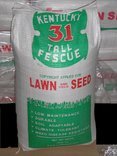
The Dirty Gardener Kentucky 31, 50 lb is a 50-pound Kentucky 31 option whose maker emphasizes heat, drought, and foot-traffic tolerance. The maker also says it grows in full sun to medium shade and needs little maintenance. The light-green color and coarse texture are important tradeoffs: choose a finer-bladed turf grass if a smooth, uniform appearance matters more than a rugged lawn. A large bag suits projects that need more seed than the 5-pound options, but match the amount to your measured area and the package’s seeding directions.
Bottom line: Choose this if your priority is a larger bag for a lawn where durability matters more than fine texture.
X-Seed Oregon Grown Kentucky 31, 5 lb

X-Seed Oregon Grown Kentucky 31, 5 lb is the only option here identified as moisture-coated, and its maker says the coating is designed to absorb and retain water. The maker presents it for lawns in sun or shade and for high-traffic areas, as well as forage and turf uses. Its 5-pound bag is better suited to a smaller area than the 50-pound choices. A coating does not remove the need to prepare soil and keep the seedbed evenly moist during establishment; buyers seeking a specific seeding quantity should calculate coverage from the package directions.
Bottom line: Pick this for a smaller planting where a moisture-coated seed is the deciding feature.
Eretz Kentucky 31 K31, 5 lb

Eretz Kentucky 31 K31, 5 lb stands out for its maker’s seed-purity and certification claims: at least 98% pure seed, less than 2% inert matter, and no weed or other crop seeds. The maker also describes it for turf, high-traffic areas, and pasture or wildlife forage. Those use cases make it a fit for buyers who want one grass type for more than a conventional home lawn. At 5 pounds, it is a smaller bag than the 50-pound options, so it may be less convenient for a large area.
Bottom line: Choose this when the purity and certification claims matter more than bag size.
Kentucky 31 Tall Fescue, 50 lb

Kentucky 31 Tall Fescue, 50 lb is a straightforward 50-pound Kentucky 31 Tall Fescue option, so its clearest distinguishing point is the bag size. That makes it a candidate for buyers comparing larger quantities of the same grass type rather than a coated seed or an option with purity claims. Kentucky 31 is known for a coarse texture, a consideration for any lawn where appearance is a priority. Match the bag to your measured planting area and use the seed package’s rate rather than assuming that a larger bag automatically provides better coverage.
Bottom line: Pick this when a 50-pound bag is the main requirement.
Kentucky 31 grass pros and cons
Kentucky 31’s main advantage is ruggedness; its clearest tradeoff is coarse texture. Tall fescue is a cool-season grass that performs best in moderate temperatures, and Kentucky 31 is commonly selected for areas where heat, drought, and traffic tolerance matter. Its bunch-forming growth does not spread by runners like Kentucky bluegrass, so bare patches may need reseeding rather than filling in sideways. The coarse blades can look less refined than finer turf types. For a durable, low-input lawn, that may be a reasonable exchange; for a smooth, fine-textured lawn, consider a different grass type suited to your region.
How much Kentucky 31 seed to use
For a new tall fescue lawn, a typical seeding rate is about 6 to 8 pounds per 1,000 square feet; overseeding an established lawn commonly uses about 3 to 5 pounds per 1,000 square feet. Rates change with seed purity, coating, soil preparation, and whether the area is bare or established, so use the package rate when it differs. Measure the lawn before buying: divide the square footage by 1,000, then multiply by the rate. For example, a 2,000-square-foot new lawn at 6 to 8 pounds per 1,000 square feet needs about 12 to 16 pounds. Too much seed creates crowded seedlings that compete for light and water.
| Project | Typical rate | Use case |
|---|---|---|
| New lawn | 6–8 lb per 1,000 sq ft | Bare or newly prepared soil |
| Overseeding | 3–5 lb per 1,000 sq ft | Existing lawn with thin areas |
When to plant Kentucky 31
Early fall is generally the best window for cool-season tall fescue, with spring as a secondary option. Fall gives seedlings time to establish before summer heat, while spring planting can leave young grass facing hot weather before roots mature. In much of the transition zone, aim for roughly 6 to 8 weeks before the first expected hard frost; local climate shifts that window. Avoid sowing into hot, dry soil, and keep the seedbed consistently moist through germination. Tall fescue commonly germinates in about 7 to 21 days, but soil temperature and moisture affect the timing.
Mowing and establishing a tall fescue lawn
Keep established tall fescue around 3 to 4 inches tall; mowing below about 2.5 inches can stress the lawn and expose soil. Remove no more than one-third of the blade in a single mowing, which may mean mowing more often during rapid growth. Seed-to-soil contact is essential: loosen compacted bare ground, distribute seed evenly, and rake lightly so seed is covered rather than buried deeply. Water frequently enough to keep the surface moist during germination, then gradually reduce frequency as roots develop. Avoid heavy traffic on new seedlings until the lawn is established and has been mowed several times.
Frequently Asked Questions
Does Kentucky 31 grass spread into bare spots?
Kentucky 31 tall fescue grows in clumps rather than spreading by runners. Bare patches usually need reseeding, so repair thin areas while temperatures are mild and keep new seed moist through germination.
How often should Kentucky 31 be watered?
New seed needs a consistently moist surface, often through light watering once or more daily in warm, dry weather. After seedlings establish, transition toward deeper, less frequent watering; rainfall, soil type, and heat change the schedule.
How long does Kentucky 31 take to germinate?
Tall fescue typically germinates in about 7 to 21 days. Cool soil, dry seedbeds, and uneven seed-to-soil contact can delay emergence.
What mowing height is best for Kentucky 31?
Keep established Kentucky 31 around 3 to 4 inches tall. Avoid removing more than one-third of the blade in one mowing, especially during hot or dry periods.
Can Kentucky 31 grow in partial shade?
Tall fescue generally tolerates some shade, but dense shade reduces growth and thins turf. Areas receiving fewer than about 4 hours of direct sun often need a more shade-tolerant grass choice.