
Lee Load All 2 Primer Feed Tray and Tools Compared

For a Lee Load-All II primer feed replacement, choose Lee Load-All II Primer Feeder Tray Insert because it is identified as an insert for that press; the other options are general priming tools, trays, or the press itself. Choose another product only if you need a separate priming tool or a complete shotshell press rather than a replacement insert.
We earn a commission if you buy through links on this page. As an Amazon Associate I earn from qualifying purchases. Products are compared on manufacturer specifications, not hands-on testing.
- Best overall: Lee Load-All II Primer Feeder Tray Insert – Identified as a primer tray insert for the Lee Load-All II.
- Best for bench priming: Lee Auto Bench Priming Tool – Includes large and small primer trays and a triangular tray.
- Best for folding storage: Lee Folding Primer Tray, 2-Pack – A polymer folding primer tray supplied as a pair.
| Product | Best for | Type | Primer capacity or count | Shop |
|---|---|---|---|---|
| Lee Load-All II Primer Feeder Tray Insert | Load-All II insert | Replacement insert | 100-load size | Check Price on Amazon |
| Lee Load-All II 12-Gauge Press | 12-gauge press | Shotshell press | — | Check Price on Amazon |
| Lee Auto-Prime Tool Kit with Shell Holders | Hand priming kit | Hand priming kit | 8 shell holders | Check Price on Amazon |
| Lee Auto Bench Priming Tool | Bench priming | Bench priming tool | Large and small trays | Check Price on Amazon |
| Lee Folding Primer Tray, 2-Pack | Folding primer trays | Folding primer trays | 2 trays | Check Price on Amazon |
Lee Load All 2 primer feed options
The key distinction is whether you need a Load-All II insert or a separate priming accessory.
Lee Load-All II Primer Feeder Tray Insert

Unlike the general priming accessories here, this black plastic insert is identified for the Lee Load-All II shotshell press. Its purpose is to hold primers at the press, and the size is 100 load. The maker says it installs by removing the old tray and inserting the replacement, without tools. Choose it when the part you need is specifically the Load-All II tray. Its capacity is not expressed as a primer count, so buyers who need a precise number of primers held should confirm that measurement before ordering.
Bottom line: Pick this when you need the Load-All II tray insert rather than a standalone priming tool.
Lee Load-All II 12-Gauge Press
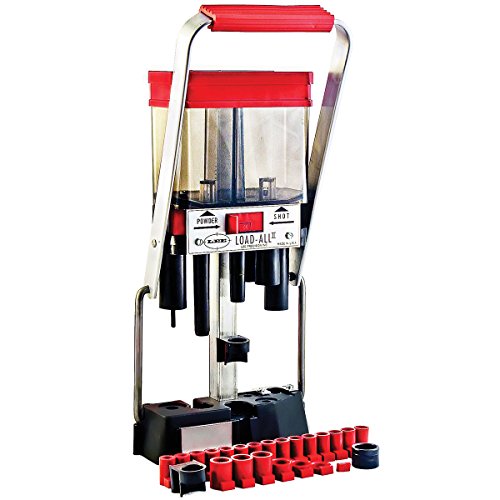
This is the press itself, not a primer tray or standalone priming tool. The product name identifies a Lee Load-All II for 12-gauge shotshell reloading, making it relevant if you need the press rather than an insert for one. Its package dimensions are 9.4 × 21.8 × 49.0 cm; those are package measurements, not working dimensions. The specifications give no primer feeder capacity, so this is not the right choice when your only need is a replacement tray. Match the press gauge to the shells you plan to reload.
Bottom line: Choose it only if you need a 12-gauge shotshell press, not just a feeder tray.
Lee Auto-Prime Tool Kit with Shell Holders

Unlike a Load-All II insert, this kit is a separate Auto-Prime hand tool with a storage box and shell holders. It includes eight holders and is described as working with more than 130 cartridges; the box can hold additional shell holders. That makes it a broader cartridge-priming kit, not a replacement part for the shotshell press. Choose it if you want a hand-priming tool and holder storage. It does not serve as the Load-All II’s primer tray, so it will not solve a missing or damaged press insert.
Bottom line: Pick this for a hand-priming setup and shell-holder storage, not a Load-All II repair.
Lee Auto Bench Priming Tool
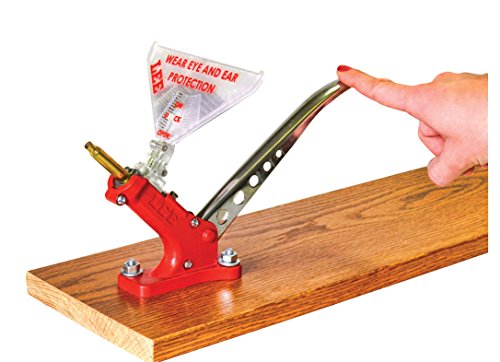
This bench-mounted priming tool differs from the Load-All II insert by handling primers as a separate tool. It has an ergonomic design and a triangular tray that accepts all brands of primer boxes, plus large and small primer trays. Choose it if you want a dedicated bench priming setup with trays for both primer sizes. Keep primers in their original packaging until needed and avoid impact or friction around loose primers.
Bottom line: Choose this for a standalone bench priming tool with large and small trays.
Lee Folding Primer Tray, 2-Pack

This two-pack provides general-purpose folding trays rather than a fitted Load-All II feeder insert. Each tray is polymer, and folding gives the pair a different storage format from the fixed insert and the bench tool’s triangular tray. Choose these for organizing primers during a separate reloading workflow, not to replace a press-specific part. Keep primers away from heat, open flame, and rough handling.
Bottom line: Pick these for two folding trays in a separate priming workflow.
How to choose a Load-All II primer feed part
Start by deciding whether you need a fitted press insert or a separate tool for priming. A replacement tray is press-specific; a bench or hand priming tool is a different piece of equipment, even when it handles primers. With a Load-All II already on your bench and a missing feeder tray, choose the insert identified for that model. If you are building a separate priming station, compare the tool’s tray arrangement and whether it handles large and small primers. Do not choose by the word “primer” alone: it can describe a press component, a storage tray, or an independent tool. Before ordering a replacement, match the press model name and confirm any dimensions that must fit the part being replaced.
Load-All II fit and primer compatibility
A feeder insert needs to fit the press and orient the primer correctly; a general-purpose tray is not automatically interchangeable. The insert here is named for the Lee Load-All II, while the standalone trays and priming tools are not identified as press inserts. Primer size matters because large and small primers are not interchangeable; use only the size specified for the shotshell components and load data you are following. A shell’s gauge alone does not establish primer type. If you are unsure whether an insert fits your exact press version or handles the primer you use, confirm both before ordering. A mismatch can prevent proper feeding or seating.
Primer handling safety while reloading
Primers are impact-sensitive components: keep them away from heat, flame, sparks, and unnecessary friction, and handle only the quantity needed at the bench. Wear eye protection while reloading, since a primer can ignite during improper handling or seating. Keep primers in their original packaging until use, and avoid mixing types or sizes in a tray. Follow load data for the exact shotshell components rather than substituting a primer because it fits physically. A feeder tray organizes components; it does not make an incorrect primer choice safe. Stop if a primer is crushed, damaged, or oriented incorrectly instead of forcing it into place.
Primer tray versus priming tool
A tray stores or presents primers, while a priming tool seats a primer into a case or shell component; a press-specific insert is designed to serve a particular feeder. The product type should match the task, not just the shared primer terminology. Use the table to separate a repair part from standalone equipment.
| Need | Choose this type | Why |
|---|---|---|
| Replace a Load-All II feeder tray | Model-specific insert | Designed for that press |
| Prime separately at a bench | Bench priming tool | Standalone tool with trays |
| Keep primers organized separately | General folding tray | Storage format, not a press insert |
| Reload 12-gauge shotshells | Shotshell press | Press equipment, not a tray |
Frequently Asked Questions
Does the primer tray insert fit every Lee press?
No; the insert is identified for the Lee Load-All II, not as a universal Lee press part. Match the press model before ordering, and verify the physical fit if your press version differs.
How many primers does the Load-All II insert hold?
Confirm the capacity if an exact number of primers is important for your workflow.
Are large and small primers interchangeable?
No; large and small primers are distinct sizes and must match the component and load data being used. Do not force a primer that does not fit correctly.
What safety gear should I use when priming?
Wear eye protection during priming because primers can ignite if mishandled or improperly seated. Keep primers away from heat and flame, and avoid impact or friction.