
Linseed Oil for Wood: 5 Formulas Compared

LinSheen Boiled Linseed Oil, Quart suits most wood projects if you want a boiled linseed oil, which uses drying solvents to speed curing compared with raw oil. Choose Sunnyside 87332 Pure Raw Linseed Oil, Quart instead if you want pure raw linseed oil and can allow up to 2–4 days for drying.
Linseed oil is a penetrating finish made from flaxseed oil; it can deepen the appearance of wood grain. The products here differ in formulation, package size and the drying time given for some formulas.
We earn a commission if you buy through links on this page. As an Amazon Associate I earn from qualifying purchases. Products are compared on manufacturer specifications, not hands-on testing.
- Best overall: LinSheen Boiled Linseed Oil, Quart – Boiled formula for indoor or outdoor wood, in a 32-fluid-ounce package.
- Best for raw oil: Sunnyside 87332 Pure Raw Linseed Oil, Quart – Pure raw formula with a drying time of up to 2–4 days.
- Best for stated dry time: Sunnyside 87232S Boiled Linseed Oil, Quart – Boiled formula with a drying time of 12–18 hours, depending on conditions.
| Product | Best for | Formulation | Package size | Stated drying time (hours) | Shop |
|---|---|---|---|---|---|
| LinSheen Boiled Linseed Oil, Quart | General wood finishing | Boiled | 32 fl oz | — | Check Price on Amazon |
| Furniture Clinic Boiled Linseed Oil, 8.5 oz | Small wood projects | Boiled | 8.5 fl oz | — | Check Price on Amazon |
| Sunnyside 87232S Boiled Linseed Oil, Quart | Known drying window | Boiled | Quart | 12–18 hours | Check Price on Amazon |
| Sunnyside 87332 Pure Raw Linseed Oil, Quart | Slow raw-oil finish | Pure raw | Quart | Up to 48–96 hours | Check Price on Amazon |
| Clark’s Refined Linseed Oil, 12 oz | Refined oil finish | Refined | 12 oz | — | Check Price on Amazon |
Linseed Oil for Wood
Compare these formulas by whether you want boiled, raw or refined oil, and by the package size and drying time that suit your project.
LinSheen Boiled Linseed Oil, Quart
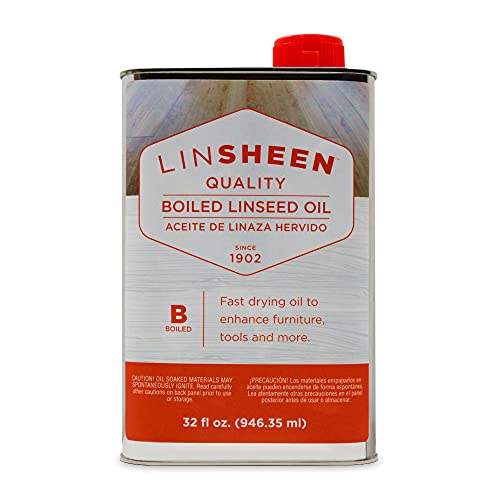
For a boiled formula in a larger container, LinSheen Boiled Linseed Oil, Quart comes in a 32-fluid-ounce size and is marketed for indoor and outdoor wood, including furniture, floors and sporting equipment. The maker says drying solvents are added to speed drying compared with raw linseed oil. The oil absorbs into the grain and enhances its natural color and texture. This choice suits projects where boiled oil is preferred over a slower-drying raw formula.
Bottom line: Choose this if you want boiled linseed oil for a range of wood projects.
Furniture Clinic Boiled Linseed Oil, 8.5 oz

Furniture Clinic Boiled Linseed Oil, 8.5 oz is the smallest package among these boiled-oil options, at 8.5 fluid ounces, and its uses extend to wood, stone and metal. The maker says the oil penetrates pores and leaves a glossy natural finish that slightly darkens the original grain. Its smaller bottle suits touch-ups or limited surfaces better than treating a large floor or deck.
Bottom line: Pick this for a small project that may include wood, stone or metal.
Sunnyside 87232S Boiled Linseed Oil, Quart

Sunnyside 87232S Boiled Linseed Oil, Quart is a boiled quart with a drying window: 12–18 hours, depending on conditions. The maker says it penetrates and protects unfinished wood, enhances grain, and can extend oil-based paints and coatings. It is intended for unfinished wood, which makes surface preparation important before application. This option suits a project where an approximate dry time is useful. Actual conditions affect that timing, so it is not a promise that every coat or environment will be ready at the same hour.
Bottom line: Choose this when a 12–18-hour drying window helps your schedule.
Sunnyside 87332 Pure Raw Linseed Oil, Quart

Sunnyside 87332 Pure Raw Linseed Oil, Quart is pure raw linseed oil, unlike the boiled formulas, and its slower drying time is stated as up to 2–4 days. The maker says it penetrates raw wood, increases water repellency and weather resistance, and can be added to oil-based paints and stains. The longer drying period may suit projects where you can wait for deeper penetration rather than prioritizing a faster finish. It is for raw wood only, so it is not the right choice for a surface that already has a sealed or intact finish.
Bottom line: Pick this if you want raw oil and can allow several days for drying.
Clark’s Refined Linseed Oil, 12 oz

Clark’s Refined Linseed Oil, 12 oz differs from the boiled and pure raw options as a refined linseed oil, packaged in a 12-ounce size. The maker says it is refined for faster curing without the toxic drying aids found in boiled products, and describes a warm, soft appearance with protection against water, liquids and daily use. Its use includes butcher block and other woodwork. This is a fit for buyers seeking a refined formula rather than conventional boiled or raw oil.
Bottom line: Choose this if you prefer refined oil for butcher block or other woodwork.
How to choose linseed oil for wood
Choose between boiled and raw linseed oil first: boiled oil has drying solvents added, while raw oil dries more slowly. Raw linseed oil can take up to 2–4 days to dry, and a boiled formula here gives a 12–18-hour estimate that varies with conditions. Refining is another formulation choice, but a specific cure time is not available for every refined or boiled option. Decide whether speed, formula type or the intended wood project matters most before choosing a container size. For a project that must be ready within a day, prefer a formula with a shorter time and allow for conditions to change it; for raw oil, plan for several days before handling or applying another coat.
Preparing wood for linseed oil
Linseed oil is intended to penetrate wood, so use it on raw or unfinished wood when the product calls for that surface. Dust, wax or an existing film can interfere with absorption; clean the surface and remove old coating where needed before oiling. Sanding to a consistent finish helps avoid uneven absorption, and a small test patch can show how much the oil deepens the grain. Apply thin coats rather than leaving pools on the surface, then wipe away excess oil; a thick, glossy puddle can remain tacky longer than a thin coat. Work in a ventilated area, especially with formulas that contain drying solvents, and keep the surface away from heat or flame while it cures.
Boiled, raw and refined linseed oil compared
Boiled oil prioritizes faster drying than raw oil, while raw oil takes longer and is sold here for raw wood. Refined oil is a distinct option for buyers who want a formula other than boiled or pure raw. Drying time also depends on temperature, airflow, humidity, coat thickness and the wood itself, so a maker’s time range is an estimate, not a guaranteed recoat schedule. Use the comparison below to match a formulation and time window to the project; check the package directions before applying over coatings or using an oil with paint.
| Need | Formula to consider | Decision point |
|---|---|---|
| Faster dry than raw oil | Boiled | Drying solvents are added |
| Raw-oil application | Pure raw | Allow up to 2–4 days in the example |
| Alternative to boiled or raw | Refined | Check its curing directions |
Linseed oil rag and fire safety
Linseed oil-soaked rags can heat up and ignite as the oil oxidizes, so never leave a balled-up rag in a pile or trash can. Spread used rags flat outdoors on a noncombustible surface to dry fully, or place them under water in a sealed metal container until disposal; follow local hazardous-waste rules. Keep oil, applicators and wet finishes away from sparks, flames and hot surfaces. Do not stack wet rags or place them near sawdust, paper or other combustible materials. A finish that feels dry on top may still be curing, so keep oily cleanup materials controlled until they are fully dry or safely contained.
Frequently Asked Questions
How long does linseed oil take to dry on wood?
Raw linseed oil can take up to 2–4 days, while one boiled formula gives a 12–18-hour estimate depending on conditions. Temperature, airflow, humidity and coat thickness can change the drying time.
Can I apply linseed oil over a stained or sealed finish?
Linseed oil is meant to penetrate wood, so an intact sealer or film can prevent absorption. Test a small area and remove incompatible coating as needed before oiling.
How many coats of linseed oil should I apply?
Use thin coats and wipe away excess rather than leaving a wet layer on the surface. Let each coat dry before adding another; raw oil may require up to 2–4 days between stages.
Can linseed oil rags catch fire by themselves?
Yes, oil-soaked rags can heat and ignite as the oil oxidizes. Dry them fully spread flat outdoors or keep them submerged in water in a sealed metal container until disposal.
Does boiled linseed oil work on unfinished wood?
Boiled linseed oil is used on unfinished wood, and the formulas here are described for untreated or unfinished surfaces. A thin test patch helps reveal how the oil changes the grain before treating the whole piece.