
Lo Mein Sauce in a Bottle: 4 Options Compared

Legend Cookhouse Lo Mein Sauce is the closest match for lo mein sauce in a bottle because it is made for noodle dishes and comes in a 12-ounce bottle. Choose a different option if you want teriyaki flavor or a chili condiment rather than a savory noodle-sauce base.
Lo mein sauce is a seasoned sauce added to noodles during cooking; bottled stir fry sauces can be convenient, but chili sauces usually add heat rather than provide the same all-purpose flavor.
We earn a commission if you buy through links on this page. As an Amazon Associate I earn from qualifying purchases. Products are compared on manufacturer specifications, not hands-on testing.
- Best overall: Legend Cookhouse Lo Mein Sauce – A 12-ounce bottled sauce specifically positioned for lo mein, chow mein, rice, vegetables, and proteins.
- Best for teriyaki: La Choy Teriyaki Stir Fry Sauce – A 14.5-ounce teriyaki stir fry sauce that also serves as a marinade.
- Best for medium heat: Sriraja Panich Medium-Hot Chili Sauce – A medium-hot chili sauce that can add heat to chow mein.
| Product | Best for | Sauce role | Bottle size | Pack | Shop |
|---|---|---|---|---|---|
| Legend Cookhouse Lo Mein Sauce | Noodle stir-fries | Lo mein / stir-fry | 12 fl oz | 1 bottle | Check Price on Amazon |
| La Choy Teriyaki Stir Fry Sauce | Teriyaki stir-fries | Teriyaki / marinade | 14.5 oz | 1 bottle | Check Price on Amazon |
| Sriraja Panich Medium-Hot Chili Sauce | Medium chili heat | Medium-hot chili | 8.81 oz | 1 bottle | Check Price on Amazon |
| Huy Fong Sriracha, 2-Pack | Hot chili topping | Hot chili | 9 oz each | 2 bottles | Check Price on Amazon |
Lo Mein Sauce in a Bottle and Alternatives
Compare the closest noodle-sauce match with bottled sauces that serve different flavor roles.
Legend Cookhouse Lo Mein Sauce

Unlike the other options, this sauce is specifically positioned for lo mein and chow mein, with a Caribbean Chinese flavor profile. The maker says it brings savory, sweet, and salty notes to noodles, fried rice, vegetables, chicken, beef, and shrimp. At 12 fluid ounces, one bottle suits cooks who want a multipurpose noodle and stir fry sauce rather than a hot chili topping or teriyaki marinade. Its flavor profile is distinctive, so shoppers seeking a more conventional teriyaki taste or a medium-hot chili condiment should choose another style.
Bottom line: Choose this for a bottled sauce intended for lo mein and chow mein.
La Choy Teriyaki Stir Fry Sauce
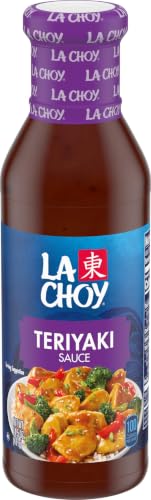
This option differs from a lo mein-focused sauce by bringing teriyaki flavor and marinade use to the skillet. The maker says the 14.5-ounce bottle works for stir-fries and marinades, including chicken, beef, pork, vegetables, fried rice, egg rolls, and broccoli beef. It also says the sauce has no artificial flavors, preservatives, or colors. Choose it when teriyaki is the intended flavor for noodles or a broader meal; it is not the closest fit for someone seeking a sauce explicitly made for lo mein.
Bottom line: Pick this when teriyaki flavor and marinade versatility matter more than a lo mein-specific sauce.
Sriraja Panich Medium-Hot Chili Sauce

This is a chili sauce rather than a savory lo mein base, making it the option for cooks who want medium heat at the table or in a chow mein dish. The maker describes it as medium-hot and says it contains no preservatives, coloring agent, or MSG; suggested uses include soups, pasta, pizza, and chow mein. The 8.81-ounce bottle is smaller than the noodle and teriyaki sauces here. Since chili sauce contributes heat rather than a full stir fry flavor, it may not suit buyers who want one sauce to season an entire noodle dish.
Bottom line: Choose this to add medium chili heat, not as a complete lo mein sauce.
Huy Fong Sriracha, 2-Pack

Unlike the medium-hot single bottle, this option is labeled hot and comes as two 9-ounce bottles. The maker identifies it as an original hot chili sauce and suggests uses ranging from pho to pizza; it is also described as vegan and kosher certified. Use it as a chili accent on noodles or alongside a meal when heat is the priority. Sriracha is not a dedicated lo mein sauce, so cooks seeking a balanced savory-sweet sauce for coating noodles should select a different style.
Bottom line: Pick this for a hot chili accent in a two-bottle pack.
How to Choose a Bottled Lo Mein Sauce
Choose by role first: a lo mein sauce is intended to season noodles, while teriyaki sauce brings a distinct sweet-savory profile and chili sauce primarily adds heat. Traditional lo mein sauce commonly combines soy sauce with oyster sauce, sesame oil, and a little sugar; recipes vary, and bottled sauces may use their own flavor balance. For a flexible noodle dish, select a sauce explicitly intended for lo mein or stir fry. If you want heat, use chili sauce as an accent rather than assuming it can replace the whole sauce base. A practical rule: if the label’s uses do not include noodles or stir fry, treat it as a condiment, not the main seasoning.
How to Add Sauce to Lo Mein
Add sauce near the end of cooking, once noodles and vegetables are hot, and toss continuously so the sauce coats rather than pools. For a typical home skillet, start with about 1 tablespoon of sauce per serving, then taste and add more; saltiness and concentration differ across sauces. Keep the pan hot enough to evaporate excess moisture, but avoid leaving sugary sauces over high heat for long because they can scorch. Cook meat and seafood fully before combining them with noodles, and use a clean utensil when tasting or serving. These steps help keep the noodle texture springy and prevent over-seasoning a whole pan.
Lo Mein Sauce, Teriyaki, and Chili Sauce Compared
These sauce types fill different jobs, so the right choice follows the flavor and function you want. A noodle-focused sauce is the direct fit for lo mein; teriyaki provides a sweeter, marinade-friendly direction, while sriracha-style sauces contribute chili heat. Use this guide to choose the role before considering bottle size.
| Sauce type | Best use | Decision cue |
|---|---|---|
| Lo mein / stir fry sauce | Season noodles and vegetables | Choose when noodle flavor is the goal |
| Teriyaki sauce | Teriyaki stir fry or marinade | Choose when that flavor profile is wanted |
| Chili sauce | Add heat to a finished dish | Choose when spice is the main need |
Do not substitute by bottle size alone: a larger bottle of a different sauce type will not provide the same flavor role.
Storage and Food Safety for Bottled Sauces
Store unopened sauces in a cool, dry pantry unless the package directs otherwise, and refrigerate opened sauces when the label calls for it. Follow the package’s storage directions because ingredients and processing differ, and use a clean spoon rather than dipping utensils that touched raw meat into the bottle. Keep raw meat and seafood separate from ready-to-eat noodles and vegetables; wash hands and surfaces after handling them. When preparing a mixed lo mein skillet, cook poultry to 165°F and ground meat to 160°F, using a food thermometer. These handling steps matter even when the sauce itself is shelf-stable.
Frequently Asked Questions
How much bottled sauce should I use for lo mein?
Start with about 1 tablespoon per serving, toss the hot noodles, and taste before adding more. Sauce saltiness and concentration vary, so adding it gradually helps prevent an over-seasoned pan.
When should I add sauce to lo mein noodles?
Add sauce near the end of cooking after the noodles and vegetables are hot. Toss continuously for even coating and to limit pooling in the pan.
Can teriyaki sauce replace lo mein sauce?
Teriyaki sauce can season noodles, but it gives the dish a teriyaki flavor rather than a lo mein-focused profile. Choose it when that flavor is intentional, not as a neutral swap.
Is sriracha enough to season lo mein?
Sriracha adds chili heat, but it is not the same as a full noodle-sauce base. Add it sparingly as an accent, starting with about 1 teaspoon per serving and adjusting to taste.
How should I store an opened sauce bottle?
Use the bottle’s storage directions, since sauce ingredients and processing vary. If the label calls for refrigeration after opening, refrigerate promptly and avoid putting used utensils back into the bottle.