
Lost Coast Plant Therapy Concentrates Compared by Size

Plant Therapy Lost Coast Organic Concentrate, 12 oz is the clearest starting point for Lost Coast Plant Therapy because its mix yield is 12 gallons from 12 ounces of concentrate. Choose a larger container if you need more concentrate; the other sizes do not give a mix yield here.
Lost Coast Plant Therapy is a plant-protection concentrate intended to be diluted and sprayed. Before using any size, confirm the dilution and application directions on its container, especially for edible plants, sensitive foliage, or beneficial insects.
We earn a commission if you buy through links on this page. As an Amazon Associate I earn from qualifying purchases. Products are compared on manufacturer specifications, not hands-on testing.
- Best overall: Plant Therapy Lost Coast Organic Concentrate, 12 oz – Its mix yield is 12 gallons from a 12-ounce container.
- Best for 32-ounce size: Plant Wash Lost Coast Plant Therapy Concentrate, 32 oz – The 32-ounce container offers a middle size between 12 ounces and gallon containers.
- Best for bulk supply: Lost Coast Plant Therapy, 1 gal – The 2.5-gallon container has the largest concentrate volume.
| Product | Best for | Concentrate size | Shop |
|---|---|---|---|
| Plant Therapy Lost Coast Organic Concentrate, 12 oz | Known mix yield | 12 oz | Check Price on Amazon |
| Plant Wash Lost Coast Plant Therapy Concentrate, 32 oz | Mid-size container | 32 oz | Check Price on Amazon |
| Lost Coast Plant Therapy, 1 gal | Gallon container | 128 oz | Check Price on Amazon |
| Lost Coast Plant Therapy Concentrate, 2.5 gal | Bulk concentrate | 320 oz | Check Price on Amazon |
| Lost Coast Plant Therapy Plant Wash, 12 oz | Small container | 12 oz | Check Price on Amazon |
Lost Coast Plant Therapy Concentrates
Compare the concentrate volumes and the amount of ready-to-spray mixture stated for each option.
Plant Therapy Lost Coast Organic Concentrate, 12 oz
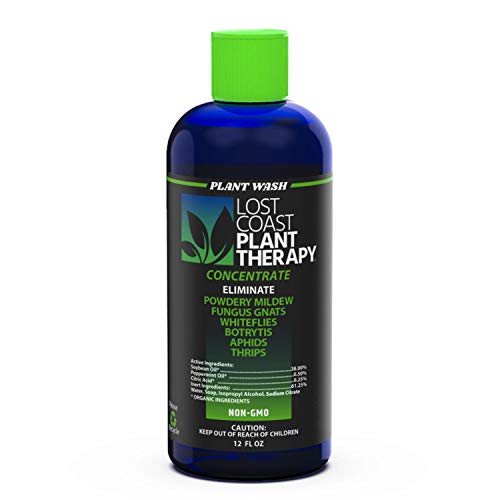
Plant Therapy Lost Coast Organic Concentrate, 12 oz is the only option here with a mix yield: 12 ounces of concentrate makes 12 gallons of application spray. The product is described as contact-action plant protection for houseplants, yards, gardens, or commercial farming, and its features say it leaves no harmful residue on plants and is safe for bees, ladybugs, and praying mantis. That makes the yield useful for planning a smaller supply.
Bottom line: Choose this if a 12-gallon mix yield matters more than buying a larger container.
Plant Wash Lost Coast Plant Therapy Concentrate, 32 oz

Plant Wash Lost Coast Plant Therapy Concentrate, 32 oz gives you 32 ounces of concentrate, a middle container size between the 12-ounce option and the gallon formats. Its features emphasize thorough coverage: the spray must reach the target insect, egg case, or larvae for the contact action to work. The container is identified as a concentrate, so it is suited to a buyer who wants more product than a small bottle without moving to a bulk container.
Bottom line: Choose this for a 32-ounce concentrate container when the larger formats are more than you need.
Lost Coast Plant Therapy, 1 gal

Lost Coast Plant Therapy, 1 gal provides 1 gallon of concentrate, or 128 ounces, and its product name identifies it for natural miticide, fungicide, and insecticide use. Its features say some insects and diseases are killed with one application while others require repeat applications, so the container size alone does not determine how much a treatment plan uses. This format fits buyers who want a gallon rather than a smaller bottle or the 2.5-gallon container.
Bottom line: Choose this if you want a gallon of concentrate and do not need the largest container.
Lost Coast Plant Therapy Concentrate, 2.5 gal
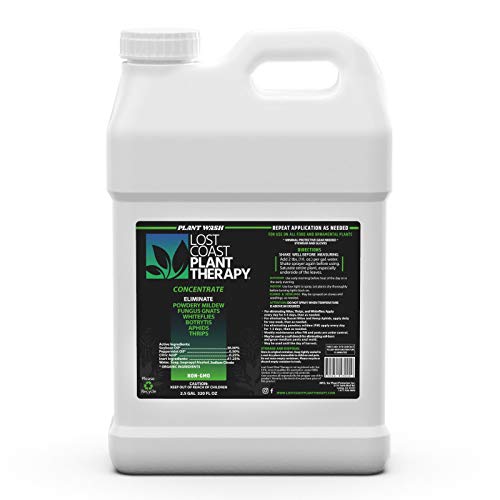
Lost Coast Plant Therapy Concentrate, 2.5 gal is the largest option, with 2.5 gallons of concentrate, equal to 320 ounces. Its product name identifies it as an organic fungicide, insecticide, and miticide concentrate, while the features describe contact action and the need to thoroughly saturate infested plants. The large volume suits buyers who need a bulk container for repeated or broad-area applications. It is less suited to someone seeking a compact bottle or who has not confirmed how much concentrate their application requires. Check the container for dilution, coverage, and any repeat-use directions before preparing a large batch.
Bottom line: Choose this bulk format only when you have a use for its 2.5-gallon concentrate volume.
Lost Coast Plant Therapy Plant Wash, 12 oz

Its features describe contact action and say thorough saturation is important because the spray must contact the insect to work. This small format may suit a buyer specifically seeking the Plant Wash name in a compact volume.
Bottom line: Choose this when the Plant Wash product name and 12-ounce size fit your needs, after confirming its dilution directions.
How to choose a Lost Coast Plant Therapy size
Choose by the amount of concentrate you can use and by a verified dilution ratio, not by container size alone. The options range from 12 ounces to 2.5 gallons, but only one product here gives a mix yield: 12 ounces makes 12 gallons of spray. That works out to a 1-ounce-per-gallon ratio for that specific product; do not apply that ratio to the other containers without checking their labels. As a practical rule, if you cannot confirm the mixing rate and coverage for your target area, do not prepare a large batch. Concentrates require accurate measuring, and extra-strength mixtures can injure foliage or create unnecessary exposure.
| Need | What to compare |
|---|---|
| Known spray yield | Choose the size with a yield |
| Moderate container | 32-ounce concentrate |
| Bulk concentrate | 1-gallon or 2.5-gallon container |
How contact plant sprays work
Contact-action sprays work only when the spray reaches the target; they do not act like systemic products that move through a plant. The product features describe suffocation and dehydration and stress complete saturation of infested plants. Aim for the pest and relevant plant surfaces rather than assuming a light mist will reach hidden insects or egg cases. Contact treatments may require repeat applications for some insects and diseases, according to the product features, so inspect plants again and use the container’s repeat-use directions. Avoid spraying beneficial insects directly: one product’s features identify bees, ladybugs, and praying mantis as safe, but do not extend that claim to every size or situation without checking its container.
Mixing and spraying concentrate safely
Measure concentrate accurately and dilute it according to the product container; a mixing rate for one package is not automatically valid for another. For context, the 12-gallon yield from 12 ounces equals 1 ounce per gallon, but that figure applies only to the option that gives that yield. Prepare only the amount you can use as directed, and keep concentrates in their original containers, away from children and pets. Wear protective gear specified by the container, avoid breathing spray mist, and do not spray in windy conditions or where drift could reach people, pets, or nearby water. Confirm any restrictions for edible crops and flowering plants before application.
Coverage, repeat applications, and common mistakes
Coverage is the key decision point for a contact treatment: a pest that the spray does not touch may not be affected. Check leaf undersides, stems, and other likely pest locations, and apply only as directed for the plant and target. The product features say some pests or diseases may need repeat applications, so do not assume a single treatment is enough or repeat more often than the container permits. A common mistake is choosing a large concentrate container before knowing the mix rate, treated area, and reapplication interval. Another is treating every plant identically; sensitive foliage and environmental conditions can change the risk of injury, so follow any label precautions and test a small area if the container recommends it.
Frequently Asked Questions
How much Lost Coast Plant Therapy makes 12 ounces?
One of the 12-ounce concentrates is stated to make 12 gallons of application spray, which is 1 ounce of concentrate per gallon. Use that ratio only for the container that gives this yield.
Does Lost Coast Plant Therapy need direct contact with pests?
Yes, the product features describe contact action and say the spray must reach the target insect, egg case, or larvae. Thorough coverage matters because hidden pests may not be contacted.
Can contact plant spray require repeat applications?
Yes, the product features say some insects and diseases may need repeat applications while others may be killed with one. Use the interval and maximum frequency provided on the specific container.
How should I choose a concentrate container size?
Choose based on the verified mixing ratio and the amount of spray you need, not concentrate volume alone. A 2.5-gallon container holds 320 ounces, so confirm the dilution before preparing a large batch.
Can I spray this plant concentrate around bees?
One 12-ounce product’s features say it is safe for bees, ladybugs, and praying mantis, but verify the directions on the exact container you have. Avoid spraying beneficial insects directly unless the label clearly permits it.