
Low Sodium Kalamata Olives: 4 Options Compared

Gaea Pitted Kalamata Olives is the direct match for low sodium Kalamata olives because it is pitted, sourced from Greece, and marketed as reduced-sodium. Choose another option if you need a specific sodium amount per serving or want a different olive type; the other choices here do not pair Kalamata olives with a low-sodium claim.
We earn a commission if you buy through links on this page. As an Amazon Associate I earn from qualifying purchases. Products are compared on manufacturer specifications, not hands-on testing.
- Best overall: Gaea Pitted Kalamata Olives – The only option described as both Kalamata olives and low sodium.
- Best for reduced-sodium black olives: Early California Reduced-Sodium Black Olives – A 12-can pack of reduced-sodium large black ripe Manzanilla olives.
- Best for bulk Kalamata olives: ILIADA Pitted Kalamata Olives – A large pitted Kalamata pack with a drained weight of 3.5 pounds.
| Product | Best for | Olive type | Sodium claim | Pack size | Shop |
|---|---|---|---|---|---|
| Gaea Pitted Kalamata Olives | Lower-sodium Kalamata | Kalamata, pitted | Low sodium | 20.4 oz total | Check Price on Amazon |
| Early California Reduced-Sodium Black Olives | Large black olives | Manzanilla, black ripe | Reduced sodium | 72 oz total | Check Price on Amazon |
| ILIADA Pitted Kalamata Olives | Bulk Kalamata supply | Kalamata, pitted | No low-sodium claim | 108.8 oz net; 56 oz drained | Check Price on Amazon |
| Divina Organic Kalamata Olives | Organic Kalamata olives | Kalamata | No low-sodium claim | 10.2 oz | Check Price on Amazon |
Low Sodium Kalamata Olives and Alternatives
Compare the Kalamata options with a reduced-sodium olive in a different style.
Gaea Pitted Kalamata Olives
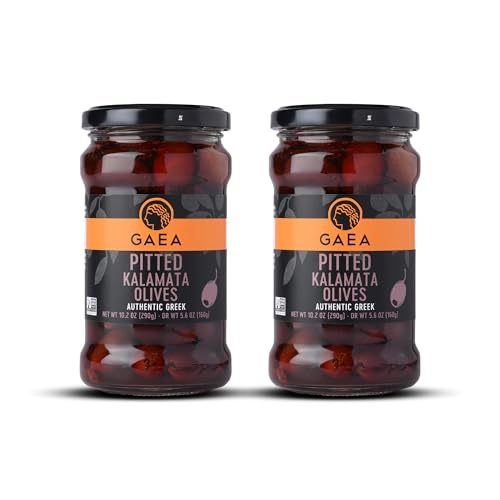
Gaea Pitted Kalamata Olives is the direct match for shoppers seeking Kalamata olives with a low-sodium claim. The pack contains two 10.2-ounce jars of pitted Greek olives, and the maker describes them as reduced-sodium compared with traditional olives. Gaea also identifies them as non-GMO and preservative-free, with suggested uses including salads, pasta, pizza, sandwiches, and snack boards.
The main limitation is that the specifications give no sodium amount per serving, so shoppers with a specific sodium target should check the Nutrition Facts before choosing. Pitted olives are convenient for serving and cooking, but brine-packed foods can still contribute sodium.
Bottom line: Pick this if Kalamata variety and a low-sodium claim are your priorities.
Early California Reduced-Sodium Black Olives

Early California Reduced-Sodium Black Olives differs from Kalamata olives: these are large black ripe Manzanilla olives grown in California. The 12 cans each hold 6 ounces, for 72 ounces total; the maker describes them as reduced-sodium, cured with water and sea salt, and ready to drain and serve. The specifications also identify them as non-GMO verified, gluten-free, vegan, and free of artificial colors.
This is a related choice if the sodium claim and a canned, ready-to-serve format matter more than getting Kalamata olives. It does not meet a Kalamata-specific preference, and the specifications give no sodium amount per serving. Compare the Nutrition Facts with the Kalamata option if sodium is the deciding factor.
Bottom line: Choose this for reduced-sodium black ripe olives rather than Kalamata flavor.
ILIADA Pitted Kalamata Olives

ILIADA Pitted Kalamata Olives is a bulk-sized pitted Kalamata option, unlike the smaller jar formats. It is sourced from Kalamata, Greece, and the product name gives both a 6.8-pound net weight and a 3.5-pound drained weight. The maker describes the olives as hand-picked, traceable, and packed in brine without added preservatives; the features also call out a rich, fruity flavor and juicy texture.
The tradeoff for a shopper focused on low sodium is that the product has no low-sodium claim or sodium amount in its fields. Drained weight helps estimate the olives rather than liquid, but this large format may not suit someone who wants a small quantity.
Bottom line: Pick this for bulk pitted Kalamata olives, not as a low-sodium choice.
Divina Organic Kalamata Olives

Divina Organic Kalamata Olives offers Kalamata olives in a 10.2-ounce pack and stands apart from the other Kalamata choices with its organic designation. The specifications also identify it as a product of Greece, non-GMO, and all natural. Its single pack suits shoppers who want a smaller format rather than a multi-jar or bulk supply.
Organic status does not establish that an olive is low in sodium, and the specifications make no low-sodium claim or provide a sodium amount. Buyers focused on salt should compare its Nutrition Facts with the direct match before choosing; shoppers prioritizing an organic designation may find this option more relevant.
Bottom line: Choose this for organic Kalamata olives, after checking the sodium amount if needed.
How to Compare Sodium Claims on Olives
Use the sodium amount per serving—not a front-label phrase alone—to compare olives. Under FDA rules, “low sodium” means 140 milligrams or less per serving; “reduced-sodium” means at least 25% less sodium than the regular version of that food. Those claims are not interchangeable, and neither guarantees a particular amount in the portion you eat.
Serving sizes matter because a larger handful can contain more sodium than the label’s serving. Compare the Nutrition Facts for the same amount, and note whether the values apply to drained olives. If you are tracking sodium, tally the serving against the FDA’s 2,300-milligram Daily Value rather than assuming that a low-sodium claim means sodium-free.
Choosing Kalamata Olives by Type and Format
Choose Kalamata olives when the Greek olive variety and its distinctive dark-purple color and fruity flavor are central to the dish. Pitted olives save preparation time in salads, pasta, or sandwiches; unpitted olives can be a better fit when serving whole, but require diners to handle the pits. Formats also change how much olive you get: net weight includes packing liquid, while drained weight counts the olives after draining.
For the largest quantity in this group, compare drained weight rather than net weight. For everyday use, a smaller jar may be easier to finish. If a recipe specifies a weight of drained olives, do not substitute a container’s full net weight; the brine is not an equal amount of fruit.
When a Reduced-Sodium Olive Is Not Kalamata
Olive variety and sodium level are separate selection criteria. Manzanilla olives are a different variety from Kalamata, so a reduced-sodium Manzanilla can fit a salt-conscious snack preference without delivering the same olive type or flavor profile. Conversely, a Kalamata product without a low-sodium claim may suit a recipe but cannot be assumed to have less sodium.
Use this simple decision rule: if Kalamata is essential, begin with products that identify themselves as Kalamata; if the sodium target is essential, compare milligrams per equal serving and choose the lower figure. If both conditions matter, verify both on the package. Rinsing may remove some surface brine, but it does not make the olives sodium-free or replace label comparison.
Serving and Storing Opened Olives
Drain only the amount needed for a dish, and keep remaining olives refrigerated in their original brine in a clean, covered container. Brine helps keep olives submerged, while exposed olives can dry out; use a clean utensil rather than fingers to remove portions. Do not rely on a general shelf-life estimate for an opened jar because package instructions and formulations can differ.
For meal planning, measure the portion you actually serve and use the package’s Nutrition Facts to estimate sodium. The FDA Daily Value for sodium is 2,300 milligrams, so even a modest serving can matter when combined with cheese, cured meats, sauces, or other salty ingredients. If a recipe needs less salt, taste before adding extra seasoning.
Frequently Asked Questions
What does reduced-sodium mean on olives?
“Reduced-sodium” means at least 25% less sodium than the regular comparable food under FDA labeling rules. Check the Nutrition Facts for the milligrams per serving, since the claim does not specify a single maximum amount.
How much sodium qualifies as low sodium?
FDA defines low sodium as 140 milligrams or less per serving. Compare products using the same serving size, since a larger portion contains more sodium.
Does rinsing olives lower their sodium?
Rinsing can remove some surface brine, but it does not make olives sodium-free. For a sodium target, use the Nutrition Facts and keep the portion consistent.
Should I compare net weight or drained weight?
Use drained weight when you need to know how many olives are in a brine-packed container. Net weight includes the packing liquid, so it is not the same amount of edible olives.
How should opened olives be stored?
Keep opened olives refrigerated in a clean, covered container, preferably submerged in their brine. Use a clean utensil and follow the package’s storage guidance for that product.