
Low Sodium Mayonnaise Brands: 4 Options Compared

Mrs Taste Sugar Free Mayo is the clearest fit among these low sodium mayonnaise brands because its name claims zero sodium.
Mayonnaise is an emulsified condiment, typically made by blending oil with egg and an acid such as vinegar. If you need a verified sodium amount rather than a brand claim, check the package serving size and sodium per serving before choosing.
We earn a commission if you buy through links on this page. As an Amazon Associate I earn from qualifying purchases. Products are compared on manufacturer specifications, not hands-on testing.
- Best overall: Mrs Taste Sugar Free Mayo, 11 oz – Its product name claims zero sodium, making it the clearest match for a low-sodium search.
- Best for avocado oil: Chosen Foods Avocado Oil Mayo, 12 fl oz, 2-pack – Made with avocado oil, but verify its sodium per serving before selecting it for a low-sodium diet.
- Best for classic mayo: Kraft Real Mayo, 30 fl oz, 2-pack – A classic real mayonnaise option; the sodium amount needs to be checked on its label.
| Product | Best for | Oil base | Package size | Shop |
|---|---|---|---|---|
| Mrs Taste Sugar Free Mayo, 11 oz | Zero-sodium claim | — | 11 oz | Check Price on Amazon |
| Kraft Real Mayo, 30 fl oz, 2-pack | Classic mayonnaise | — | 30 fl oz × 2 | Check Price on Amazon |
| Chosen Foods Avocado Oil Mayo, 12 fl oz, 2-pack | Avocado oil base | Avocado oil | 12 fl oz × 2 | Check Price on Amazon |
| RON DEYMOND Avocado Oil Mayo, 32 oz | Avocado oil variety | Avocado oil | 32 oz | Check Price on Amazon |
Low Sodium Mayonnaise Options
Compare the sodium claims and product types, then check the package label for a serving-specific amount.
Mrs Taste Sugar Free Mayo, 11 oz

This is the only option here whose product name claims zero sodium, so it is the closest match for shoppers seeking low sodium mayonnaise. The 11-ounce bottle is positioned as a creamy sauce for sandwiches, chicken, and dipping, and the maker also claims it is sugar free and calorie-free. Those claims do not replace the Nutrition Facts panel: confirm the sodium amount and serving size on the package if your diet requires a specific limit. Its sauce-style positioning may matter to buyers expecting the taste and texture of conventional mayonnaise.
Bottom line: Choose this if the zero-sodium claim is your priority, and verify the package label for your serving.
Kraft Real Mayo, 30 fl oz, 2-pack

Kraft identifies whole cage-free eggs, vinegar, onion, and other natural flavors among its ingredients, and the smooth texture is intended for spreading, dipping sauces, and recipes. The two jars each hold 30 fluid ounces, a useful format for frequent use. Because sodium content is not established here, shoppers managing sodium should compare the Nutrition Facts amount per serving with their target before choosing this over a product with a specific sodium claim.
Bottom line: Pick this for familiar real mayonnaise when its label fits your sodium target.
Chosen Foods Avocado Oil Mayo, 12 fl oz, 2-pack
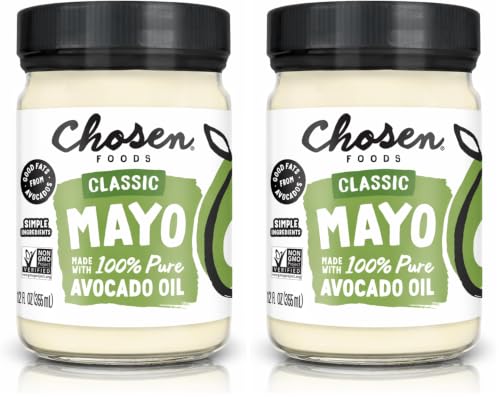
Chosen Foods stands apart through its avocado oil base, not a low-sodium amount. The pack contains two 12-fluid-ounce jars, and the maker describes the mayonnaise as gluten- and dairy-free and suitable for low-carb or keto eating. For sodium-conscious shoppers, those dietary attributes do not establish the sodium per serving; check the jar’s Nutrition Facts panel before treating it as a fit. The maker also warns that freezing temperatures can cause natural separation, so appearance or texture may be affected after exposure to cold.
Bottom line: Choose this for an avocado oil base only if its sodium label suits your needs.
RON DEYMOND Avocado Oil Mayo, 32 oz
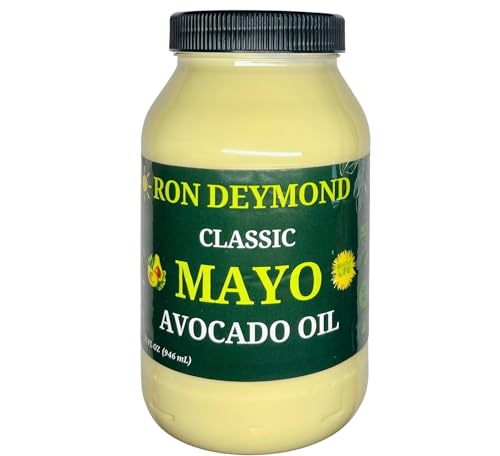
RON DEYMOND offers a larger 32-ounce avocado oil mayonnaise option, with use cases including sandwiches, burgers, wraps, salads, dips, and dressings. These attributes do not establish sodium content, so a low-sodium shopper should check the package’s sodium per serving before buying. The larger container suits buyers who want one versatile condiment for multiple recipes, but matters less if the goal is to try a smaller quantity first.
Bottom line: Consider this for a larger avocado oil mayonnaise format after checking sodium per serving.
How to Choose Low Sodium Mayonnaise
Choose by sodium per labeled serving, not by a diet-friendly phrase or oil type. In U.S. labeling, “low sodium” generally means 140 milligrams or less per serving, while “very low sodium” means 35 milligrams or less; “sodium free” means less than 5 milligrams per serving. These are label definitions, not a guarantee that a full serving fits an individual diet. Compare the serving size as well as the sodium figure, because a larger portion adds more sodium. If your limit is 140 milligrams per tablespoon, pick only a product whose label shows no more than that amount for a tablespoon serving, or calculate the amount for your portion.
What Sodium Claims Mean on Mayo Labels
A sodium claim describes a defined threshold, while a brand name or general “healthy” positioning does not. The FDA daily value for sodium is 2,300 milligrams; use the Nutrition Facts panel to compare the milligrams in the portion you actually use. A “reduced sodium” claim means at least 25% less than a reference food, not necessarily a low absolute amount, so it may still exceed your personal target. Sodium values can differ across classic, flavored, and alternative-oil mayonnaise. Compare products using the same serving quantity, ideally tablespoons, rather than judging by jar size or recipe use.
Mayonnaise Types and Their Tradeoffs
Classic mayonnaise generally uses vegetable oil, egg, and an acid such as vinegar or lemon juice; avocado oil mayonnaise changes the oil base, not necessarily the sodium level. Egg-free and reduced-fat styles are also common, but their sodium content must be checked separately because formulations differ. Use this comparison as a starting point, not a substitute for label figures.
| Type | What changes | What to verify |
|---|---|---|
| Classic | Traditional creamy style | Sodium per serving |
| Avocado oil | Oil base | Sodium per serving |
| Reduced sodium | Lower sodium relative to a reference | Absolute milligrams and serving size |
| Sodium-free claim | Strict sodium threshold | Serving size and label amount |
For a low-sodium diet, prioritize the measured amount over the type of oil.
Serving and Storing Mayonnaise Safely
Measure mayonnaise with a tablespoon when tracking sodium: a heaped or free-poured portion can exceed the label serving and change your total. Commercial mayonnaise should be refrigerated after opening and kept cold; discard perishable food left at room temperature for more than 2 hours, or more than 1 hour when the temperature is above 90°F. Keep the utensil clean and avoid returning food-contaminated mayonnaise to the jar. A jar’s size does not indicate how much sodium you consume; portion size and the label’s milligrams per serving do.
Frequently Asked Questions
How much sodium qualifies as low sodium?
A food labeled “low sodium” generally has 140 milligrams or less per serving. The serving size matters, so compare the amount with the portion you actually eat.
Is reduced sodium mayonnaise always low sodium?
No. “Reduced sodium” means at least 25% less sodium than a reference food, not that the product meets the 140-milligram low-sodium threshold. Check the absolute milligrams per serving.
How do I compare sodium across mayonnaise brands?
Compare milligrams of sodium for the same serving size, such as one tablespoon. If the serving sizes differ, calculate the sodium for an equal amount before deciding.
Does avocado oil mayonnaise have less sodium?
Avocado oil identifies the oil base, not the sodium level. Check the Nutrition Facts panel for milligrams per serving, since recipes vary by product.
How long can mayonnaise sit unrefrigerated?
Discard mayonnaise-based perishable food left at room temperature for over 2 hours, or over 1 hour above 90°F. Refrigerate opened commercial mayonnaise and keep utensils clean.