
Magic Cloth As Seen on TV: 5 Cloths Compared

For a magic cloth as seen on TV, choose As Seen On TV Microfiber Cloths, 6-Pack if you want six 16-by-16-inch cloths for glass, windows, and cars. Choose a different option if you want a smaller pack, a cloth promoted for water-only use, or general-purpose household towels rather than larger glass cloths.
We earn a commission if you buy through links on this page. As an Amazon Associate I earn from qualifying purchases. Products are compared on manufacturer specifications, not hands-on testing.
- Best overall: As Seen On TV Microfiber Cloths, 6-Pack – Six 16-by-16-inch cloths are sized for glass, windows, and car cleaning.
- Best for two-cloth pack: Supercloth Glass Cleaning Cloth, 2-Pack – The two-sided cloth is described for hard surfaces and use with warm water.
- Best for general surfaces: Thickened Microfiber Cleaning Cloths, 10-Pack – The 10-pack is sized for kitchen, furniture, glass, and mirror cleaning.
| Product | Best for | Size | Pack count | Cleaning approach | Shop |
|---|---|---|---|---|---|
| As Seen On TV Microfiber Cloths, 6-Pack | Glass and cars | 16 × 16 in | 6 | Water only | Check Price on Amazon |
| Supercloth Glass Cleaning Cloth, 2-Pack | Water-only wiping | 9.7 × 7.3 in | 2 | Warm water | Check Price on Amazon |
| Microfiber Magic Glass Cloths, 3-Pack | Glass and mirrors | — | 3 | Water only | Check Price on Amazon |
| Thickened Microfiber Cleaning Cloths, 10-Pack | Kitchen and home | 11.8 × 7.76 in | 10 | General wiping | Check Price on Amazon |
| MagicFiber Microfiber Cleaning Cloths, 12-Pack | Dish and kitchen use | 13 × 11 in | 12 | General wiping | Check Price on Amazon |
Magic cloths as seen on TV compared
Compare the cloth dimensions, pack counts, and cleaning claims to match the set to your surfaces and routine.
As Seen On TV Microfiber Cloths, 6-Pack

For a larger glass-cleaning cloth, this six-pack measures 16 × 16 inches per cloth and is marketed for windows, mirrors, and cars. Its water-only approach is intended to lift dirt and smudges without sprays, and the pack size lets you keep cloths in several rooms or in a vehicle. The main limitation is that the product is positioned around glass and similar touch-ups, not specifically as a dish towel or all-purpose kitchen set. Choose it when broad coverage and a six-cloth supply matter more than a compact cloth.
Bottom line: Choose this set for large cloths and glass-focused cleaning around the home or car.
Supercloth Glass Cleaning Cloth, 2-Pack
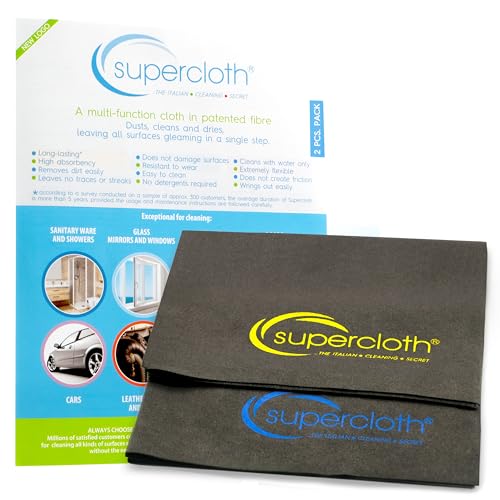
This two-cloth set has a smaller 9.7 × 7.3-inch format and a two-sided design, with blue and yellow logos on the sides. The maker says warm water is enough to lift dust, dirt, and oil from hard surfaces including windows, mirrors, steel, and granite. The compact dimensions may suit quick, controlled wiping, but provide less coverage per pass than the 16-inch cloths. Pick it if the water-only method and hard-surface focus fit your routine; it is a less suitable choice when you need a larger cloth for broad window panels.
Bottom line: Choose this set if you prefer a smaller water-only cloth for several hard surfaces.
Microfiber Magic Glass Cloths, 3-Pack

This set is specifically framed around glass and mirrors, with stainless steel and windshields also named as suitable surfaces. The maker’s cleaning method is to dampen the cloth, wring it out, and wipe; it can be washed with dish soap and hot water or machine-washed, then air-dried without fabric softener. A useful distinction is the care guidance, which is more explicit than the other glass-focused options here. The tradeoff is a three-cloth pack and no usable dimensions for comparing coverage, so it is harder to choose for a particular window size.
Bottom line: Choose this set for its glass-and-mirror focus and specific wash guidance.
Thickened Microfiber Cleaning Cloths, 10-Pack

This ten-pack is aimed at mixed household tasks rather than glass alone: each cloth measures 11.8 × 7.76 inches, and the uses named include furniture, glass, mirrors, and kitchen cleanup. The maker promotes absorbency and quick drying, making the set a fit for repeated wiping across rooms. Compared with the larger square glass cloths, the narrower format covers less area per pass and may take more strokes on broad windows. Pick it when quantity and varied household surfaces matter more than a dedicated window-cloth format.
Bottom line: Choose this pack for multiple household surfaces and a larger cloth supply.
MagicFiber Microfiber Cleaning Cloths, 12-Pack

This 12-pack has the largest count in the group and 13 × 11-inch cloths intended for housekeeping, kitchen tasks, and washing dishes. The product specifies 100% microfiber, reinforced edges, and a multicolor assortment; the maker says the cloths can be washed and reused more than 500 times. That reuse claim is a maker performance claim, not a guarantee for every care routine. Unlike the glass-specific options, this set is presented as general cleaning and dish towels, so it may not be the best match if your main task is streak-free windows.
Bottom line: Choose this set for a high-count supply of general household and kitchen cloths.
How to choose a magic cleaning cloth
Choose by surface and cloth size first: broad windows are easier to cover with a larger cloth, while kitchen and mixed household jobs can use smaller multipurpose towels. Microfiber cleaning cloths work through fine fibers that collect soil and moisture; a cloth’s weave and thickness affect how it handles damp wiping versus dusting. Water-only claims are product-specific, not a reason to assume every microfiber cloth works the same way. For a large pane, a 16-inch square gives more coverage than a cloth under 10 inches on a side. For mixed jobs, keep separate cloths for glass, kitchen counters, and greasy cleanup so soil does not transfer between surfaces.
Cloth size and coverage
For window cleaning, a practical rule is to favor a cloth at least 12 inches across when you want fewer passes on a broad pane; smaller cloths can be easier to manage around mirrors, faucets, and tight corners. Dimensions describe the cloth laid flat, not the area it will clean in one pass, which also depends on how damp it is and how much soil is present. Fold a cloth into quarters to create several clean wiping faces, then turn to a fresh face as it collects dirt. Avoid dragging grit across delicate finishes: rinse the surface or cloth first, since trapped particles can scratch even when the textile itself is soft.
Water-only cloths and general microfiber towels
Water-only glass cloths and multipurpose microfiber towels serve overlapping but different jobs. Glass-focused cloths prioritize wiping windows, mirrors, or stainless steel; general-purpose sets may also be pitched for furniture, kitchens, and dishes. A water-only method can reduce reliance on spray for routine fingerprints and dust, but stuck-on grease or mineral deposits may need a cleaner suited to that surface. The table separates the main use pattern, rather than implying that every cloth is interchangeable. Use the dedicated glass cloth for the final pass on windows, and keep kitchen cloths away from glass if they have picked up cooking oil or food residue.
| Need | Cloth type | Useful condition |
|---|---|---|
| Broad windows | Larger glass cloth | Choose about 12 in or wider |
| Mirrors and tight areas | Smaller glass cloth | Prioritize control over coverage |
| Kitchen and mixed wiping | General-purpose microfiber | Keep a separate cloth for grease |
Washing and maintaining microfiber cloths
Wash microfiber separately from lint-producing fabrics such as cotton towels when practical; lint can cling to the fine fibers and then transfer onto glass. Avoid fabric softener, which can coat fibers and reduce their ability to absorb water. The glass-cloth maker here specifically advises air-drying after washing, while care guidance may differ by cloth, so check the sewn label before using heat. Rinse grit and heavy soil out promptly rather than storing a damp cloth in a closed caddy. For glass work, begin with a clean cloth and use a fresh face for the final wipe to minimize streaks from accumulated residue.
Frequently Asked Questions
Can a microfiber cloth clean windows with water alone?
Some glass-focused microfiber cloths are designed for a damp, water-only wipe, but that claim does not apply automatically to every cloth. For sticky residue or mineral spots, use a cleaner labeled for the surface and follow its directions.
How large should a cloth be for cleaning windows?
A cloth around 12 inches or wider is a useful choice for broad window panes because it covers more area per pass. Smaller cloths are easier to control on mirrors, corners, and narrow glass.
Can I wash microfiber cloths with fabric softener?
Avoid fabric softener because it can coat microfiber and reduce absorbency. Wash heavily soiled cloths separately from lint-producing cotton items, and follow the cloth’s care label for drying.
Why does my glass still look streaky after wiping?
Residue, excess moisture, or a dirty cloth can leave streaks, so start with a clean cloth and use a fresh face for the last pass. For routine cleaning, wring a damp cloth well rather than leaving the glass wet.
Can one microfiber cloth be used in the kitchen and on mirrors?
A cloth can physically wipe both surfaces, but a dedicated cloth for glass helps prevent oil or food residue from transferring. Keep kitchen and glass cloths separate when possible, especially after wiping greasy surfaces.