
Magnet for Sliding Door: 5 Catches Compared by Fit

For a sliding wardrobe or pocket door, Jiayi Dual-Magnet 30 lb Catch, Black, 2-Pack is the clearest fit because it is specifically described for both door types and has dual magnets rated up to 30 pounds. Choose a lower-force catch for lighter doors or a bar magnet only when you can align it with a suitable metal surface.
A magnetic catch uses a magnet and a mating metal plate to keep a door closed; it is not a track, roller or lock. Before choosing, confirm the door closes with the magnet and plate directly opposite each other.
We earn a commission if you buy through links on this page. As an Amazon Associate I earn from qualifying purchases. Products are compared on manufacturer specifications, not hands-on testing.
- Best overall: Jiayi Dual-Magnet 30 lb Catch, Black, 2-Pack – Specifically names sliding wardrobe and pocket doors, with dual magnets rated up to 30 pounds.
- Best for thin profiles: Jiayi 10 lb Catch, Silver, 4-Pack – Its 3.65 mm profile and 10-pound magnetic force suit lighter wardrobe closures.
- Best for DIY alignment: FINDMAG Adhesive Bar Magnets, 6-Pack – Six separate adhesive-backed bar magnets offer flexibility when positioning a magnetic contact point.
| Product | Best for | Holding force | Thickness | Pack count | Shop |
|---|---|---|---|---|---|
| Jiayi Dual-Magnet 30 lb Catch, Black, 2-Pack | Wardrobe or pocket | Up to 30 lb | 0.15 in | 2 | Check Price on Amazon |
| Jiayi 10 lb Catch, Silver, 4-Pack | Light wardrobe doors | 10 lb | 0.14 in | 4 | Check Price on Amazon |
| Jiayi 9 lb Adhesive Catch, 6-Pack | No-drill closures | 9 lb | — | 6 | Check Price on Amazon |
| Jiayi Dual-Magnet 30 lb Catch, 2-Pack | Closet closures | Up to 30 lb | 0.15 in | 2 | Check Price on Amazon |
| FINDMAG Adhesive Bar Magnets, 6-Pack | DIY metal contact | — | 0.12 in | 6 | Check Price on Amazon |
Magnets for Sliding Doors
Match the catch to the door’s closing position, available gap and required holding force.
Jiayi Dual-Magnet 30 lb Catch, Black, 2-Pack

Jiayi Dual-Magnet 30 lb Catch, Black, 2-Pack is the only option here that names both sliding wardrobe doors and pocket doors, setting it apart from general cabinet catches. The dual-magnet design is rated up to 30 pounds, has a 0.15-inch profile, and comes as a two-pack. That stronger hold may suit a door that needs more resistance to opening than a lighter closure. The force does not establish how securely it will hold every installation; the door and mating surface need to meet squarely. Its black finish may also stand out against a light-colored frame.
Bottom line: Choose this for a wardrobe or pocket door when a stronger magnetic hold is needed.
Jiayi 10 lb Catch, Silver, 4-Pack
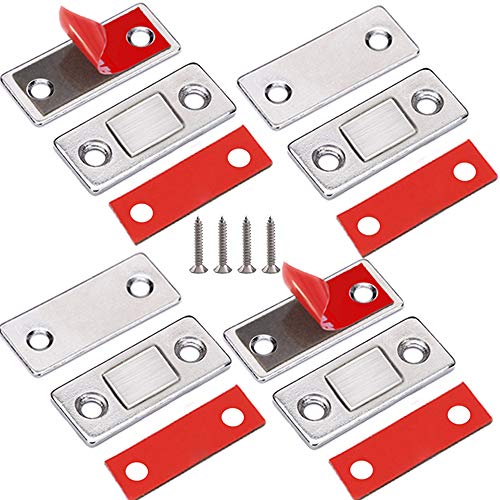
Jiayi 10 lb Catch, Silver, 4-Pack differs from the 30-pound catches with a single magnet rated at 10 pounds and a thinner 3.65 mm profile, about 0.14 inch. Its features specifically include sliding wardrobe doors, and the four-pack gives several catches for a multi-door setup. Metal construction is also identified as a durability feature. The lower stated force may fit a lighter door that should open without as much resistance. Unlike the dual-magnet option, this catch is not the choice for a closure needing the highest holding force.
Bottom line: Choose this for a light wardrobe door or a slimmer mounting space.
Jiayi 9 lb Adhesive Catch, 6-Pack
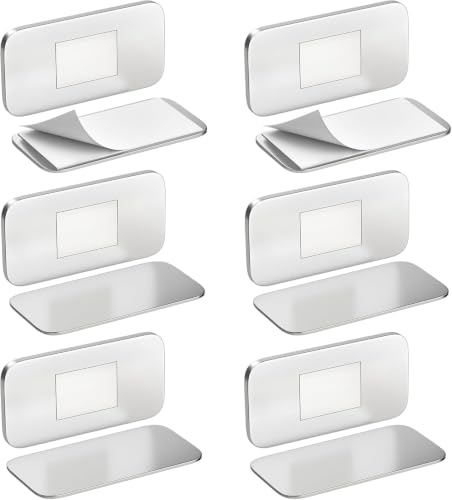
Jiayi 9 lb Adhesive Catch, 6-Pack differs from the wardrobe-specific options by emphasizing adhesive installation and a quiet magnetic snap. The six-catch set is rated at 9 pounds per catch and is described for cabinets, drawers and internal doors. Its features do not specifically identify sliding doors, so it is a more tentative choice for that job than the first two options. Adhesive mounting can help with positioning, but the door must bring the two magnetic surfaces together when closed. Consider it for a light internal closure only when the mounting surface and door movement allow direct contact.
Bottom line: Choose this for a light closure when adhesive positioning is useful.
Jiayi Dual-Magnet 30 lb Catch, 2-Pack

Jiayi Dual-Magnet 30 lb Catch, 2-Pack has the same dual-magnet force and 0.15-inch profile as the other 30-pound option, but its features focus on wardrobe and closet closures rather than naming sliding doors directly. It includes adhesive tape for positioning and calls for screws for permanent installation. The maker gives a 3.9–4 mm gap as a fit range, which is about 0.15 inch. That dimension is useful only if the door and frame leave a compatible gap at the catch location. Buyers seeking an expressly sliding-door product may prefer a catch that names that use.
Bottom line: Choose this for a closet closure when the gap matches your installation.
FINDMAG Adhesive Bar Magnets, 6-Pack
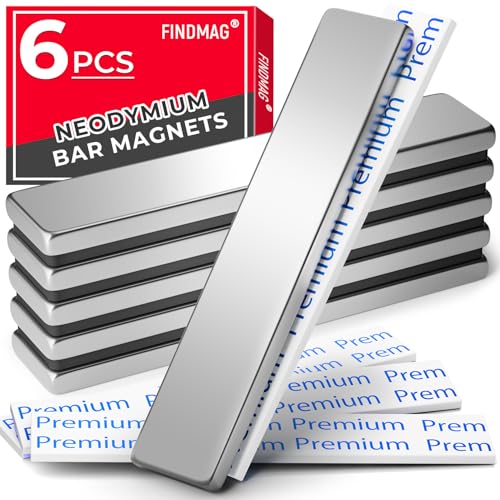
FINDMAG Adhesive Bar Magnets, 6-Pack is a set of six neodymium bar magnets with adhesive pads, not a dedicated door catch with a specified holding force. Each bar measures 2.36 by 0.39 by 0.12 inches, and the features mention shower-door repairs along with cabinet doors and signs. Avoid treating it as a rated latch for a heavy or safety-critical sliding door.
Bottom line: Choose this only for a DIY repair where you can verify the alignment and hold.
How to Choose a Magnet for a Sliding Door
Choose by matching the catch’s holding force to how firmly the door must stay closed, then confirm the magnet and target can meet at the closed position. The catches here span 9 to 30 pounds of stated force, but those ratings do not tell you the force needed for every door. A stronger catch can also take more effort to open. Sliding doors travel parallel to their frames, so a catch must be mounted where the door’s final movement brings the magnetic surfaces together without obstructing the track. With less than 0.15 inch of clearance, favor a thinner catch and verify the installed gap before ordering.
| Need | Starting point |
|---|---|
| Named sliding wardrobe or pocket door | 30-pound dual-magnet catch |
| Light wardrobe closure | 10-pound slim catch |
| Light internal closure without named sliding use | 9-pound catch, if alignment works |
Sliding Door Alignment and Clearance
A magnetic catch works when its magnet and a compatible metal target meet closely at the door’s closed position; it does not correct a misaligned track. Sliding doors may have very little room between the panel and frame, so compare the catch thickness with the available gap: the products here range from about 0.12 to 0.15 inch, while one catch names a 3.9–4 mm gap. If the gap is smaller than the catch profile, the door may bind or fail to close fully. Keep hardware clear of rollers and tracks, and position the two magnetic surfaces face-to-face rather than offset.
For pocket doors, also make sure the catch can be reached and mounted at the point where the panel meets the jamb. A door that closes flush may need a different mounting arrangement from one with an exposed frame. Confirm the lift or pull direction at the final inch of travel before fixing the catch in place.
Magnetic Catch Types and Mounting
A dedicated magnetic catch pairs a magnet with a metal plate or target; a loose bar magnet is not automatically a complete latch. The dedicated catches in this group have stated holding forces of 9, 10, or 30 pounds, whereas the bar-magnet set gives no door-specific holding rating. Some catches use screws for secure mounting, while adhesive can help position hardware or attach magnets to suitable surfaces. Adhesive strength depends on the substrate and surface preparation, so do not assume a tape-mounted catch will sustain the same load as a screw-mounted one. For a frequently used or heavy door, use a mounting method suited to the door material and avoid relying on a magnet as a lock or safety barrier.
Common Fit Mistakes with Door Magnets
The most common mistake is choosing by force alone: a high holding rating cannot compensate for a gap, poor alignment, or a target that the magnet cannot attract. Test the closed position and clearance before permanent mounting, and make sure the catch does not rub the panel during sliding. A second mistake is treating a set of loose bar magnets like a tested door latch; no door-specific force is provided for that format. Magnetic catches are also not locks and should not be used to secure a door that must resist entry or prevent access.
Frequently Asked Questions
Will a magnetic catch work on a sliding door?
Yes, if the magnet and its metal plate meet when the door is closed. A catch cannot pull a door into alignment across a large gap or compensate for a misaligned track.
How much holding force should a door magnet have?
The options here range from 9 to 30 pounds, but the right force depends on door weight and how easily it needs to open. Start with a lower-force catch for a light interior door and use a stronger one only if the door does not stay shut.
Can magnets hold a glass sliding shower door?
Shower-door repairs also require materials and mounting methods suitable for wet areas; these products do not establish that suitability.
Where should I place a magnetic door catch?
Place the magnet and metal plate where they meet squarely as the door reaches its closed position. Keep the catch clear of the track and rollers, which need unobstructed movement.
Are adhesive magnetic catches strong enough for doors?
Adhesive catches may suit light closures, but the 9- and 10-pound ratings here do not establish how much force an adhesive installation will sustain. For a catch intended for screws, use the specified permanent mounting method rather than relying on positioning tape.