
Monro-Matic Shocks: 4 Models Compared by Fit

For a Monro-Matic shock absorber, Monro-Matic Plus 32235 Shock is the direct match because it is a Monro-Matic Plus shock with fit coverage for 1990–1997 Ford Ranger models. Choose another option only if its vehicle fit and part type match yours; Monro-Matic Plus 801803 Strut and Monro-Matic Plus 801691 Strut are struts, while Monroe OESpectrum 37050 Shock is a different shock line.
Shocks damp suspension movement, while struts can also serve as a structural suspension component, so confirm which type your vehicle uses before selecting a replacement.
We earn a commission if you buy through links on this page. As an Amazon Associate I earn from qualifying purchases. Products are compared on manufacturer specifications, not hands-on testing.
- Best overall: Monro-Matic Plus 32235 Shock – A Monro-Matic Plus shock absorber with fit coverage for 1990–1997 Ford Rangers and several related vehicles.
- Best for strut replacement: Monro-Matic Plus 801803 Strut – A Monro-Matic Plus strut with replacement numbers including 235009 and 801524.
- Best for alternate strut fit: Monro-Matic Plus 801691 Strut – A Monro-Matic Plus strut with replacement numbers including 341257 and G55870.
| Product | Best for | Part type | Length | Weight | Shop |
|---|---|---|---|---|---|
| Monro-Matic Plus 32235 Shock | Ranger shock fit | Shock absorber | 19.3 in | 2.6 lb | Check Price on Amazon |
| Monro-Matic Plus 801803 Strut | Listed-number strut | Strut | 21.8 in | 10.5 lb | Check Price on Amazon |
| Monro-Matic Plus 801691 Strut | Alternate-number strut | Strut | 23.7 in | 4.2 lb | Check Price on Amazon |
| Monroe OESpectrum 37050 Shock | C1500 shock fit | Shock absorber | 19.3 in | 1.5 lb | Check Price on Amazon |
Monro-Matic shocks and related suspension parts
Start with the vehicle-specific fit and whether you need a shock absorber or a strut.
Monro-Matic Plus 32235 Shock
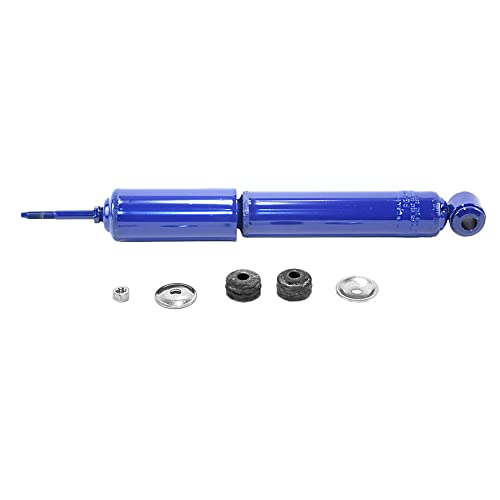
Monro-Matic Plus 32235 Shock is the direct Monro-Matic Plus shock absorber option here, with fit coverage for 1990–1997 Ford Ranger models and several related Ford and Mazda vehicles. Its features include Velocity Proportional Valving and a nitrogen gas charge; Monroe says the gas charge helps maintain tire-to-road contact and reduce aeration. At 19.3 inches long and 2.6 pounds, its dimensions distinguish it from the two listed struts. The limitation is fit: the vehicle range is specific, so owners of other makes or years should verify exact application before choosing it.
Bottom line: Choose this if your vehicle falls within its fit range and needs a shock absorber.
Monro-Matic Plus 801803 Strut
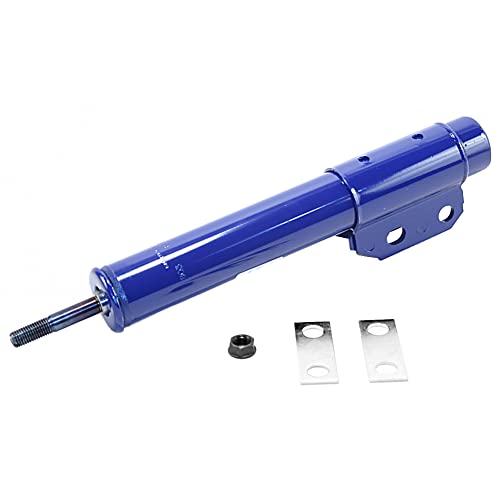
Monro-Matic Plus 801803 Strut is a strut rather than a shock absorber, making it a related alternative only when your vehicle calls for this type of suspension part. Its replacement numbers include 235009, 734013, 801524, 801535, G55551, and G56504. Monroe says its VPV valving and nitrogen gas charge support smooth rod reaction and reduce aeration. The 21.8-inch length and 10.5-pound weight are useful for distinguishing this part, but do not establish vehicle compatibility by themselves; match the replacement number and application to your vehicle.
Bottom line: Choose this only when your vehicle requires a strut matching one of its replacement numbers.
Monro-Matic Plus 801691 Strut

Monro-Matic Plus 801691 Strut is another Monro-Matic Plus strut, differentiated from Monro-Matic Plus 801803 Strut by its replacement-number group and dimensions. The numbers include 341257, G55870, M55870, and 4213-0278; its length is 23.7 inches and weight is about 4.2 pounds. Monroe says VPV valving and a nitrogen gas charge are intended to support smooth response and reduce aeration. Those features do not make this a universal fit, and the longer size alone is not enough to identify the right strut. Buyers need to match the application or replacement number to their vehicle.
Bottom line: Pick this when your vehicle’s required strut cross-references to one of its numbers.
Monroe OESpectrum 37050 Shock

Monroe OESpectrum 37050 Shock is a shock absorber, but it belongs to Monroe’s OESpectrum line rather than the Monro-Matic Plus line. Its fit range covers specified Chevrolet and GMC C1500 applications, including certain C1500 Suburban models. Monroe says its vehicle-tuned valving, ASD technology, and nitrogen gas charge are designed to support damping control and stability. At 19.3 inches long and 1.5 pounds, it differs in weight from Monro-Matic Plus 32235 Shock despite sharing the same length. Its limitation is the narrower, vehicle-specific fit; it is not the right choice for someone specifically seeking a Monro-Matic part.
Bottom line: Choose this for a compatible C1500 application when the OESpectrum line suits your needs.
How to choose a Monro-Matic shock
Choose by part type and vehicle application first, then use dimensions as a secondary check. A shock absorber dampens spring oscillation; a strut may also locate suspension components and support the vehicle’s structure. A shock cannot automatically substitute for a strut. Match the vehicle year, make, model, engine, trim, and any fitment qualifiers against the correct part application. Replacement-number cross-references can help identify a match, but a shared number or similar length alone does not prove fit. For shocks, replace them in axle pairs when practical so left and right sides have comparable damping; inspect mounts and related suspension parts during the job. If you are unsure whether your vehicle uses a shock or a strut at the location, check its service manual or have a qualified technician identify the part before ordering.
Shock absorbers and struts compared
Shocks and struts both control suspension movement, but they are not interchangeable categories. A shock absorber primarily damps spring motion, while a strut is part of the suspension assembly and can provide a structural mounting point. This difference affects both fit and installation: a strut replacement may involve spring and alignment considerations that a conventional shock replacement does not. Use the table to distinguish the part types among these options, not to infer vehicle fit. Application coverage or an exact cross-reference remains decisive. If the part removed from your vehicle is a strut, do not select a shock just because its dimensions appear close.
| Need | Part type to match | Options here |
|---|---|---|
| Replace a conventional damper | Shock absorber | Monro-Matic Plus 32235 Shock or Monroe OESpectrum 37050 Shock, subject to fit |
| Replace a structural suspension component | Strut | Monro-Matic Plus 801803 Strut or Monro-Matic Plus 801691 Strut, subject to fit |
How to verify vehicle fit
Vehicle fit is determined by the exact application, not by a part’s overall length or weight. The Ranger shock covers specified Ranger years and related Ford and Mazda models, while the OESpectrum shock covers specified C1500 vehicles; these ranges are not interchangeable. Confirm the model year, make, model, engine, and trim, and read any application qualifiers carefully. A useful decision rule is to select a part only when your complete vehicle configuration matches its fit range or a confirmed replacement-number cross-reference. If a vehicle has modified suspension, factory application data may no longer settle fit; confirm the installed suspension configuration before choosing a replacement.
When to replace suspension dampers
Replace dampers when inspection or handling symptoms point to loss of control, rather than relying on mileage alone. Repeated bouncing after a bump, visible fluid leakage, damaged mounts, or uneven tire wear warrant an inspection; tire wear can also come from alignment or other suspension faults. A qualified inspection can separate a worn shock or strut from a spring, bushing, or alignment problem. When replacing a conventional shock, changing both sides of the same axle helps keep damping balanced. Strut work can involve a loaded coil spring, which stores substantial energy; use proper spring-compression equipment or have the work performed by a professional, and never loosen a spring retainer without the correct procedure and tools.
Frequently Asked Questions
Can a shock absorber replace a strut on my car?
No, not unless the vehicle’s suspension design specifically calls for that part. A strut can be a structural suspension component as well as a damper, so match the original part type and application.
Should I replace shocks in pairs on one axle?
Replacing both shocks on the same axle is generally the sound approach because it keeps damping more balanced side to side. Inspect mounts and tires too, since damage or uneven wear can have other causes.
What signs can indicate worn shocks or struts?
Repeated bouncing after a bump, fluid leakage, or damaged mounts can indicate a damper problem. Uneven tire wear is another reason to inspect the suspension, but alignment and other components can also cause it.
Does shock length confirm that a part will fit?
No, overall length by itself does not establish fit. Confirm the vehicle application or an exact replacement-number match, since mounting points and suspension design also matter.
Is replacing a strut safe to do at home?
A strut may contain a coil spring under substantial stored energy, so spring removal requires proper compression equipment and procedure. If you lack that equipment or experience, have a qualified professional perform the work.