
SAS Maverick Recurve Bow: Fit and Alternatives

The SAS Maverick 60-inch one-piece recurve bow is the closest match for archers who want a fixed-limb wooden bow, but its draw-weight information conflicts between 29 and 60 pounds, so confirm the exact weight before ordering. Choose a different model if you need takedown limbs, a different length, or a target-focused kit.
We earn a commission if you buy through links on this page. As an Amazon Associate I earn from qualifying purchases. Products are compared on manufacturer specifications, not hands-on testing.
- Best overall: SAS Maverick 60-inch One-Piece – Its 60-inch one-piece design matches the search, though the draw-weight discrepancy should be resolved before purchase.
- Best for takedown storage: SAS Courage 60-inch Takedown – The SAS Courage has a 60-inch takedown design that disassembles for storage and transport.
- Best for interchangeable limbs: Samick Sage 62-inch Takedown – The Samick Sage has interchangeable limbs and a 62-inch bow length.
| Product | Best for | Length | Construction | Use | Shop |
|---|---|---|---|---|---|
| SAS Maverick 60-inch One-Piece | Fixed-limb bow | 60 in | Wood riser, fiberglass limbs; one-piece | Hunting and target practice | Check Price on Amazon |
| Black Hunter 60-inch Takedown | Adjustable practice | 60 in | Wood handle, fiberglass limbs; takedown | Hunting and target practice | Check Price on Amazon |
| Samick Sage 62-inch Takedown | Interchangeable limbs | 62 in | Fiberglass-laminated limbs; takedown | Hunting and target practice | Check Price on Amazon |
| SAS Courage 60-inch Takedown | Compact storage | 60 in | Hardwood riser | Hunting and target practice | Check Price on Amazon |
| Sanlida Noble Takedown Kit | Length-based sizing | 48–70 in; six lengths | Wooden takedown | Target practice | Check Price on Amazon |
SAS Maverick recurve bow and alternatives
Compare the Maverick with related recurves by length, construction and the kind of practice or storage you need.
SAS Maverick 60-inch One-Piece
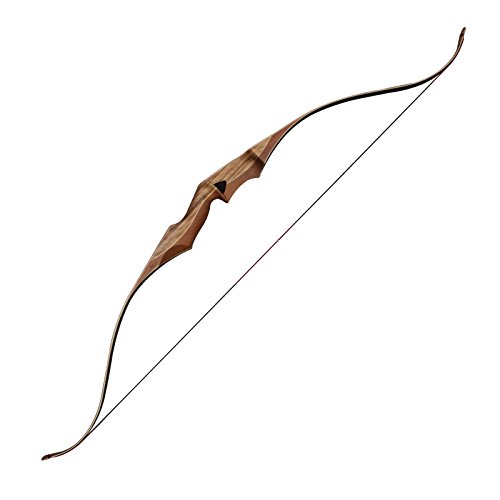
The SAS Maverick is the only one-piece bow in this group, so it suits archers who do not need limbs that detach for storage. Its 60-inch length and wooden riser made from Makore, Zebra and Chulgam woods pair with fiberglass limbs; the maker describes it for hunting and target practice. Right-hand orientation means the bow is held in the left hand and drawn with the right. The draw weight is inconsistent in the specifications, which give both 29 and 60 pounds; confirm the exact weight and hand before choosing, especially if a particular weight is required.
Bottom line: Choose this if you want a 60-inch one-piece bow and can confirm its draw weight.
Black Hunter 60-inch Takedown

The Black Hunter differs from the Maverick with a takedown design: its limbs detach, and its features describe changing limb weight for practice. This right-hand model is 60 inches long and has a 50-pound draw weight at a 28-inch draw length. Its wooden handle and fiberglass limbs suit an archer who values disassembly and a specified draw-weight setup over a one-piece profile. A 50-pound bow can be demanding for a newer archer; draw and hold a manageable weight before choosing a setup, and use a bowstringer when assembling or taking it down.
Bottom line: Choose this if takedown storage and a 50-pound setup fit your needs.
Samick Sage 62-inch Takedown

The Samick Sage is 2 inches longer than the Maverick and uses interchangeable limbs, making it the alternative here for archers who want to change limb weights. This right-hand configuration has a 45-pound draw weight and a 28-inch draw length; the broader range described for the model runs from 25 to 60 pounds. It includes a stick-on arrow rest and a 14-strand Dacron string. The longer length and removable limbs make it a different fit from a fixed one-piece bow, so choose based on draw length and storage needs rather than the name alone.
Bottom line: Choose this if interchangeable limb weights matter more than a one-piece design.
SAS Courage 60-inch Takedown
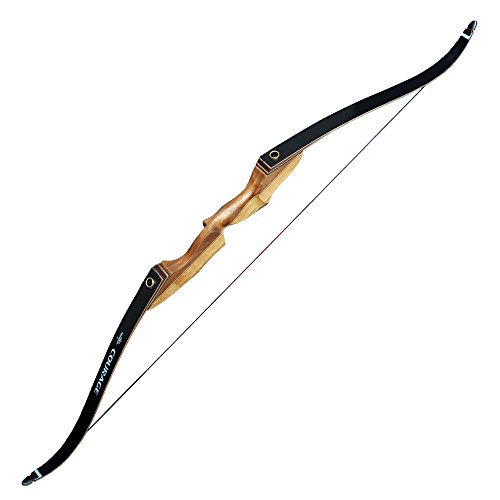
The SAS Courage keeps the 60-inch length but replaces the Maverick’s one-piece construction with a takedown design that can be disassembled for storage and transport. Its hardwood riser uses Bintangor, Makore and Chuglam, while its laminated limbs combine maple and Makore with fiberglass facing. The model is offered in right- and left-handed options, with draw weights from 29 to 60 pounds. That weight range is not a single configuration, so match the selected limb weight and hand orientation to the archer before purchase.
Bottom line: Choose this if you want a 60-inch SAS bow that separates for storage.
Sanlida Noble Takedown Kit

The Sanlida Noble stands apart with six bow-length options from 48 to 70 inches, rather than the Maverick’s fixed 60-inch one-piece format. Its sizing guidance pairs 48 inches with a 14–16-inch draw, 54 inches with 17–20 inches, 62 inches with 22–24 inches, 66 inches with 24–26 inches, 68 inches with 26–28 inches, and 70 inches with 28–30 inches. It is a wooden takedown target bow kit for youth and adults. Measure the archer’s actual draw length first; this model is a different choice for someone seeking a fixed-length hunting bow.
Bottom line: Choose this if a draw-length-matched target bow kit is the priority.
How to choose a recurve bow draw weight
Choose a draw weight you can pull smoothly and hold at full draw without shaking; a common starting range for adult beginners is about 20 to 30 pounds, while individual strength and experience change the right fit. Draw weight is measured at a specified draw length, so a number such as 45 pounds at 28 inches is not a universal measure for every archer. A bow that is too heavy can lead to poor form and unsafe release control. For hunting, minimum legal draw weight and equipment rules vary by state and game, so check local regulations before using any bow in the field. The Maverick’s conflicting 29- and 60-pound figures make confirming its selected weight especially important.
Match bow length to draw length
Measure the archer’s draw length before choosing bow length; a longer draw can change how a bow feels and performs. The Noble gives explicit pairings, from 48 inches for a 14–16-inch draw through 70 inches for a 28–30-inch draw, while the Maverick and Black Hunter are both 60 inches and the Sage is 62 inches. Those figures show why one length should not be treated as a universal fit. As a practical rule, if the measured draw length falls outside the selected model’s range, choose a length option whose range includes it rather than guessing from age or height. Keep hand orientation separate from draw length: a right-hand bow is held in the left hand and drawn with the right.
One-piece and takedown recurve bows compared
A one-piece recurve keeps its limbs attached, while a takedown bow separates at the limb-to-riser connection for storage or limb changes. That distinction matters more than similar overall lengths: the Maverick is one-piece, whereas the Black Hunter, Sage, Courage and Noble are takedown designs. A bowstringer is the safer tool for stringing many recurves because it controls limb flex during setup; avoid forcing a string onto the tips by hand. Never dry-fire a bow, meaning release the string without an arrow, because the energy has nowhere to go and can damage the bow or injure the archer. Select the construction that suits transport, storage and intended use, then follow the model’s assembly method.
| Need | Relevant design |
|---|---|
| Fixed limbs | One-piece bow |
| Disassembly for storage | Takedown bow |
| Changing limb weight | Takedown model with interchangeable limbs |
Check hand fit and safe setup
Hand orientation describes which hand holds the riser and which draws the string, not simply the archer’s writing hand. A right-hand bow is held in the left hand and drawn with the right; the bow window and arrow rest position should match that setup. Before shooting, inspect the string and limbs for damage, use arrows appropriate to the bow and draw length, and shoot only toward a secure backstop with a clear range. Keep people outside the shooting lane and retrieve arrows only after shooting has stopped. Takedown bows should be assembled with a bowstringer where appropriate, while a one-piece bow still needs correct stringing and inspection. These checks matter for both target practice and hunting.
Frequently Asked Questions
How do I measure recurve bow draw length?
Stand naturally and measure your wingspan from fingertip to fingertip, then divide by 2.5 for a rough estimate in inches. A shop or coach can confirm the actual draw length at full draw, which is more useful for matching a bow.
What does right-hand recurve bow mean?
A right-hand recurve is held in the archer’s left hand and drawn with the right. Confirm this orientation against the archer’s dominant eye and comfortable shooting form before selecting a bow.
Can a takedown recurve bow change draw weight?
Some takedown models support interchangeable limbs, allowing a different draw weight when compatible limbs are fitted. Confirm compatibility and use a bowstringer when assembling or disassembling the bow.
Why should you never dry-fire a recurve bow?
A dry fire releases stored limb energy without an arrow to absorb it, which can damage the bow and injure the archer. Keep the bow pointed downrange and release only with an appropriate arrow nocked.
How often should I inspect a recurve bowstring?
Inspect the string before each shooting session for fraying, broken strands or serving separation. Replace a damaged string before shooting, and keep the string waxed according to its material and maker’s care guidance.