
Self-Adhesive Vinyl Seat Repair Patches Compared

No particular brand or model is named in “self adhesive vinyl seat repair”; the right patch depends mainly on how much surface the repair needs to cover. MemoireForm’s 23.6-inch-wide sheet suits broad areas, while the narrower rolls are easier to cut for small marks.
Choose a different repair method for a torn seat seam or damage over a side-airbag seam, since an adhesive patch is a surface cover rather than a structural repair.
We earn a commission if you buy through links on this page. As an Amazon Associate I earn from qualifying purchases. Products are compared on manufacturer specifications, not hands-on testing.
- Best overall: MemoireForm Large Black Patch – The 23.6-inch-wide sheet can cover broader damaged areas and can be cut to shape.
- Best for longer narrow marks: Besezx Black Repair Patch Tape – Its 60-inch roll is 3.1 inches wide, suited to longer, narrower patches.
- Best for compact repairs: ONine Black Repair Tape – The 3-inch-wide, 60-inch roll offers a narrow format for cut-to-size repairs.
| Product | Best for | Patch width | Patch length | Shop |
|---|---|---|---|---|
| MemoireForm Large Black Patch | Broad damaged areas | 23.6 in | 53.9 in | Check Price on Amazon |
| Besezx Black Repair Patch Tape | Long narrow repairs | 3.1 in | 60 in | Check Price on Amazon |
| ONine Black Repair Tape | Small seat marks | 3 in | 60 in | Check Price on Amazon |
Self-Adhesive Vinyl Seat Repair Patches
Compare the patch formats and choose a size that covers the damaged area without crossing seams or airbag deployment zones.
MemoireForm Large Black Patch

The broadest option here is a sheet measuring 23.6 by 53.9 inches, giving more room to shape a cover for a larger damaged area. MemoireForm says the adhesive patch is waterproof, scratch-resistant, and easy to scrub; its soft surface can be cut with scissors. The black color is intended for a closer match to black seats, but it may stand out on other colors or textures. Clean and dry the seat before application, and avoid placing the patch across seams that need to move.
Bottom line: Choose this sheet when a narrow strip would not cover the damaged area.
Besezx Black Repair Patch Tape
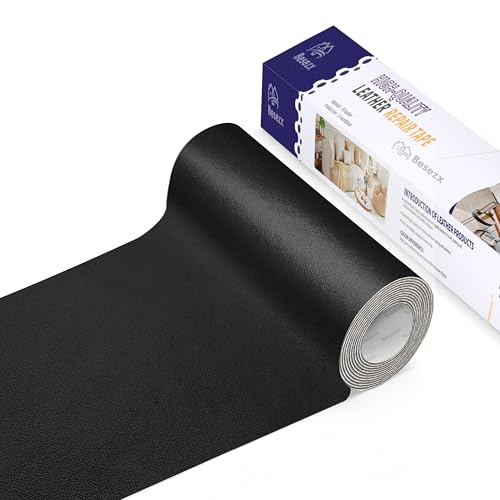
The 3.1-inch width makes this roll a better fit for a long, narrow scuff than a wide tear. The 60-inch length gives room to cut several smaller pieces, and the patch is black. Besezx says the tape needs no heat, tools, or sewing and is intended for vinyl and synthetic leather surfaces; it also claims water and wear resistance. Its narrow format limits how much area each strip can cover, so choose a wider sheet when the damaged area is broad. Apply only to a clean, dry surface.
Bottom line: Pick this roll for narrow marks that fit within its 3.1-inch width.
ONine Black Repair Tape
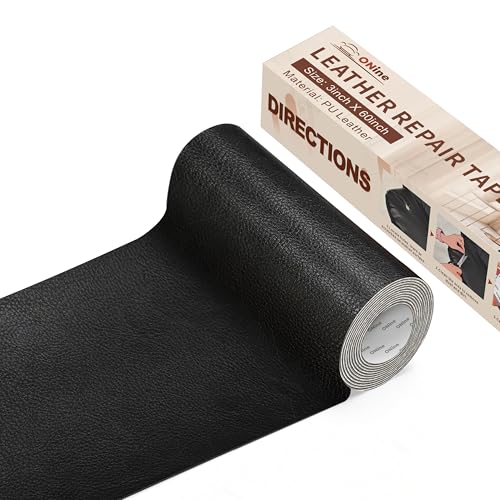
The ONine roll is 3 inches wide and 60 inches long, a slim format for cutting patches to suit small seat marks. ONine says the patch requires no heat, tools, or stitching and has a waterproof, scratch-resistant surface. The black tape may be a reasonable color match for black vinyl, though color and grain differences can remain visible. Because this roll is slightly narrower than the Besezx option, it is less suited to wider damage; choose a sheet instead when a repair needs broad coverage.
Bottom line: Choose this roll for small marks that can be covered by a 3-inch strip.
How to Choose a Vinyl Seat Repair Patch
Choose by the damaged area’s width first, then check that the patch can cover the full mark without crossing a seat seam. A practical rule is to allow about 1/2 inch of overlap beyond the damage on each side; if that will not fit within a roll’s width, choose a wider sheet. Self-adhesive patches cover surface wear and small blemishes, but they do not restore torn stitching or reinforce a split seam. The patch color and texture also matter: a black patch may contrast with a charcoal seat or a pebbled grain. For a neater edge, cut rounded corners rather than sharp points, which can catch during routine seat movement.
Preparing a Seat for Adhesive Vinyl
Clean and fully dry the seat before attaching a self-adhesive patch, because dust, oil, and moisture interfere with adhesion. Use a cleaner compatible with the seat material and let the surface dry completely; avoid applying a patch to a hot seat or in direct sun, which can make positioning harder. Cut the patch so it extends beyond the damaged area, then smooth it from the center outward to limit trapped air. Test the cut shape against the seat before removing the backing. Do not stretch the patch to force a fit, and keep adhesive material away from side-airbag seams and deployment zones.
Patch Rolls Compared With Wide Sheets
Rolls suit narrow marks and repeated small cuts, while wide sheets offer more coverage for broad damaged areas. Match the format to the measured width rather than relying on length alone: a long 3-inch strip will not cover a 6-inch-wide tear in one piece. A sheet can be trimmed, but a large patch may be more noticeable and can catch on seat edges. The table compares these formats by the kinds of repairs they suit.
| Format | Useful for | Decision rule |
|---|---|---|
| Narrow roll | Small marks and slim scuffs | Choose when the damage fits within the roll width with overlap |
| Wide sheet | Broader surface blemishes | Choose when a narrow strip cannot cover the area |
Neither format is a replacement for sewing or upholstery work on a split seam or loose seat panel.
Seat Repair Mistakes to Avoid
Do not patch across a seat seam, especially one that serves as a side-airbag deployment area. Vehicle seat covers and seams can be designed to allow airbags to deploy, so an added patch or adhesive layer in that zone can interfere with intended operation. Keep patches on flat, non-structural vinyl surfaces and avoid covering seat controls, buckles, or moving joints. Another common mistake is cutting a patch exactly to the damage edge; edges with no overlap are more likely to lift. If the tear reaches the seam, foam, or underlying structure, use an upholstery repair method suited to that damage rather than relying on surface tape.
Frequently Asked Questions
How much larger should a vinyl seat patch be?
Allow roughly 1/2 inch of patch beyond the damage on each side where the seat surface permits. A wider margin helps cover the edges, but do not extend a patch across a seam.
Can self-adhesive vinyl patches repair seat seams?
No, a surface patch does not replace stitching or reinforce a split seam. Keep adhesive patches away from side-airbag seams and have structural or seam damage repaired with an appropriate upholstery method.
Should I clean a vinyl seat before patching it?
Yes, the surface should be clean and completely dry before application. Dust, oil, or moisture can compromise adhesion, so allow the seat to dry fully after cleaning.
How do I cut a patch to reduce peeling?
Cut the patch with rounded corners and leave about 1/2 inch of overlap when possible. Sharp points can catch more readily on clothing or seat movement.
Can a black patch match every vinyl seat?
No, black shades and vinyl grain patterns can differ. Compare the patch with the seat’s color and texture, especially where the repair will be visible.