
Sof Sole Water Proofer Spray: 5 Options Compared

Sof Sole Water Proofer Spray is the closest match for most shoppers seeking Sof Sole water proofer spray because it is intended for shoes, boots and jackets while maintaining fabric breathability. Choose another option if you need a spray specifically for suede and nubuck, or silicone protection for outdoor gear.
Water-repellent sprays treat a material’s surface; they do not repair damaged seams or waterproof membranes.
We earn a commission if you buy through links on this page. As an Amazon Associate I earn from qualifying purchases. Products are compared on manufacturer specifications, not hands-on testing.
- Best overall: Sof Sole Water Proofer Spray – Made for shoes, boots and jackets, and the maker says it maintains fabric breathability.
- Best for suede and nubuck: Nikwax Nubuck & Suede Proof – Specifically designed for textured leather while preserving its texture and breathability.
- Best for outdoor gear: Sof Sole Silicone Waterproofer – Its 12 percent silicone formula is intended for boots, tents and outdoor gear.
| Product | Best for | Size | Formula | Material fit | Shop |
|---|---|---|---|---|---|
| Sof Sole Water Proofer Spray | Everyday footwear | 7.5 oz | PFAS-free; formula unspecified | Shoes, boots, jackets | Check Price on Amazon |
| Sof Sole Ultra Protect | Mixed shoe materials | 6 oz | PFAS-free; silicone-free | Nubuck, suede, most sneaker fabrics | Check Price on Amazon |
| Nikwax Nubuck & Suede Proof | Textured leather | 4.2 fl oz | Water-based | Nubuck, suede, textured leather | Check Price on Amazon |
| Sof Sole Silicone Waterproofer | Outdoor equipment | 12 oz | 12% silicone | Boots, tents, outdoor gear | Check Price on Amazon |
| Sof Sole x Skechers Waterproof Spray | Non-aerosol application | 8 oz | PFAS-free; formula unspecified | Most shoes except vinyl or patent leather | Check Price on Amazon |
Sof Sole water proofer sprays
Compare these sprays by intended material and formula before choosing one for your footwear or gear.
Sof Sole Water Proofer Spray

For a broad mix of footwear and outerwear, this spray is the most direct fit among these options. It comes in a 7.5-ounce can and is intended for athletic and performance materials, shoes, boots, hats and jackets. The maker says it maintains fabric breathability, helps protect against water and stains, and dries within minutes for protection lasting up to two months. That duration is a maker claim, not a fixed interval for every material or exposure. Choose another formula if you need an explicitly stated silicone treatment for tents or a product specifically for suede and nubuck.
Bottom line: Pick this if you want one spray intended for shoes, boots and jackets.
Sof Sole Ultra Protect

Unlike the broader shoe-and-jacket spray, this 6-ounce option emphasizes varied shoe materials, including nubuck, suede and most sneaker fabrics. The maker says it repels moisture, dirt and sunlight, and describes the formula as silicone-free and PFAS-free. Its use across several shoe types may suit someone caring for mixed footwear, but it is not the gear-focused silicone formula. Check the shoe material before applying any treatment: a spray suitable for one finish can alter another, and this product’s shoe focus does not establish suitability for jackets or tents.
Bottom line: Choose this for shoe care across the material types.
Nikwax Nubuck & Suede Proof
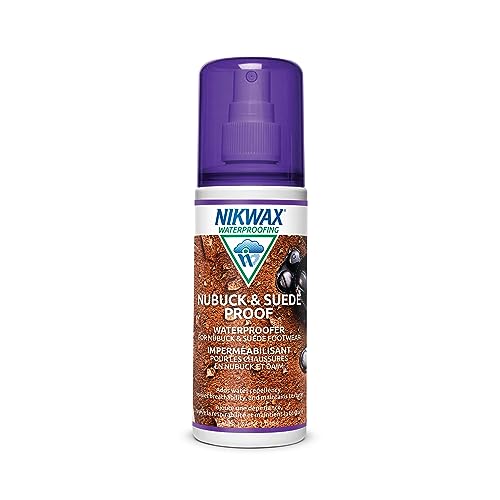
For nubuck and suede specifically, this 4.2-fluid-ounce spray-on treatment is the clearest material-focused alternative. The maker says it restores water repellency while maintaining the soft texture and breathability of textured leather footwear; it is also recommended for textured-leather coats and gloves and is described as safe for GORE-TEX materials. The maker warns that water-based treatment can change the color of absorbent sheepskin, so test a discreet area first. Its narrow material focus makes it less suited to shoppers seeking an all-purpose Sof Sole spray.
Bottom line: Pick this when preserving the feel of nubuck or suede is the priority.
Sof Sole Silicone Waterproofer

For tents and outdoor gear, this is the only option here with a silicone concentration: 12 percent. The maker says its formula creates a durable bond that repels water, dirt and oil, and lists hiking or work boots, tents, camping and outdoor gear as uses. The tradeoff is material compatibility: the maker advises against breathable technical fibers such as GORE-TEX and athletic shoes because silicone could discolor them or affect performance. Avoid this spray for those materials; choose a treatment specifically intended for breathable footwear instead.
Bottom line: Choose this for compatible outdoor equipment, not technical breathable fabrics.
Sof Sole x Skechers Waterproof Spray

Unlike the aerosol options, this 8-ounce Sof Sole x Skechers spray uses a pump applicator. The maker says it helps guard shoes against water, dirt and stains, is made with no intentionally added PFAS, and can last up to two months per use. It is intended for sneakers, boots and athletic footwear, but excludes vinyl and patent leather. That exclusion matters for shoes with glossy synthetic finishes; check the material before applying. Choose another option if your priority is a specified silicone formula or a treatment explicitly aimed at nubuck and suede.
Bottom line: Pick this for a pump-spray format and compatible everyday shoes.
How to choose a shoe waterproofer
Choose a treatment labeled for the footwear material, not just for water repellency. Suede and nubuck have a raised nap, while smooth leather and synthetic sneaker uppers have different surface finishes; a formula suited to one may change the look or feel of another. Surface treatments help water bead but do not seal seams, repair cracks or restore a failed waterproof membrane. If your footwear has a waterproof/breathable membrane, preserve the material around it with a product explicitly suitable for that construction rather than assuming any waterproofer will work. For shoes made of more than one material, follow the strictest compatibility limit on the product and test an inconspicuous spot first.
Spray compatibility with suede and technical fabrics
For nubuck or suede, choose a spray that explicitly names textured leather and test a hidden area before treating the whole shoe. Absorbent surfaces can show color changes, and the suede-focused option here specifically cautions about sheepskin. Silicone treatments are a different choice: the maker of the 12 percent silicone spray warns against breathable technical fibers such as GORE-TEX and athletic shoes. A membrane fabric’s breathability depends on the whole construction, so a surface treatment that changes the face fabric can affect performance even if it does not seal a seam. When a shoe combines mesh, overlays and leather, do not assume one spray is appropriate for every panel.
What waterproofer sprays can and cannot do
A waterproofer spray adds surface water repellency; it does not turn every shoe into a waterproof boot. Water can still enter through seams, openings or damaged materials, and a membrane can fail independently of its outer fabric’s water beading. Clean away dirt before treatment because soil can interfere with the surface; allow the material to dry as directed before judging the result. Protection duration also depends on abrasion, repeated wetting and use, so a claimed duration is not a universal service interval. If water stops beading on the upper, reassess the treatment, but inspect seams and the lining separately rather than relying on spray alone.
| Need | Choose a formula labeled for | Watch for |
|---|---|---|
| Suede or nubuck shoes | Textured leather | Color change on absorbent materials |
| Breathable technical footwear | Breathable fabrics or membrane materials | Silicone compatibility warnings |
| Tents or outdoor equipment | Outdoor gear | Whether the surface is breathable or coated |
Applying shoe protection safely
Apply sprays in a well-ventilated area and avoid breathing aerosol mist; keep treatment away from flames and heat while spraying. Aerosols disperse product differently from pump sprayers, so use short, controlled passes rather than soaking one area. Treat clean footwear and let it dry completely before wearing it or exposing it to water; damp material can make coverage uneven. Protect nearby floors and surfaces from overspray, and test a hidden spot when the material is delicate or absorbent. A visible color shift or surface change on the test area is a reason to stop rather than continue across the shoe.
Frequently Asked Questions
How often should I reapply shoe waterproofer?
Reapply when water no longer beads on the treated upper, while considering abrasion and frequent wetting. A duration such as two months is a maker claim, not a guarantee for every shoe or use pattern.
Can waterproof spray fix leaking shoe seams?
No; surface spray does not repair seams, cracks or a failed waterproof membrane. If water enters through an opening or damaged seam, treating the upper alone will not address that route.
Can I use silicone spray on GORE-TEX shoes?
Avoid silicone on GORE-TEX footwear when the spray warns against breathable technical fibers. Choose a treatment explicitly compatible with the shoe’s materials and membrane construction.
Should suede be dry before waterproofing spray?
Start with clean material and let the footwear dry before treatment unless its product directions specify otherwise. Test a discreet area first, especially on absorbent materials such as sheepskin that may change color.
Is a shoe spray safe for every upper material?
No; compatibility depends on the finish and construction. For example, one spray here excludes vinyl and patent leather, while another warns against athletic shoes and breathable technical fabrics.