
Spectra 360 Electrode Gel: Pack and Use Compared

Spectra 360 electrode gel is the closest match here: the three-tube option is identified as electrode gel and comes in 2 oz tubes. Choose an alternative if you need a larger bottle or a product explicitly described for TENS and other devices.
Conductive electrode gel creates a moist interface between skin and an electrode; the right choice depends on the device and its electrode instructions.
We earn a commission if you buy through links on this page. As an Amazon Associate I earn from qualifying purchases. Products are compared on manufacturer specifications, not hands-on testing.
- Best overall: Spectra 360 Electrode Gel, 2 oz – The product is identified as electrode gel and comes as three 2 oz tubes.
- Best for a larger tube: axion Conductive Electrode Gel, 8.5 oz – The 8.5 oz gel is described for TENS pads and several other device types.
- Best for a two-bottle pack: NEOCARBON Conductive Gel, 250 ml, 2-Pack – The pack contains two 250 ml bottles and names several compatible device types.
| Product | Best for | Package amount | Pack count | Named use | Shop |
|---|---|---|---|---|---|
| Spectra 360 Electrode Gel, 2 oz | Three small tubes | 2 oz per tube | 3 | Electrode gel | Check Price on Amazon |
| axion Conductive Electrode Gel, 8.5 oz | Multiple device types | 8.5 oz | 1 | TENS, ultrasound, microcurrent | Check Price on Amazon |
| Balego Multi-Purpose Saline Electrolyte, 60 ml | Single small tube | 2 fl oz | 1 | Multi-purpose saline electrolyte | Check Price on Amazon |
| NEOCARBON Conductive Gel, 250 ml, 2-Pack | Two-bottle supply | 250 ml per bottle | 2 | TENS, Doppler, microcurrent | Check Price on Amazon |
Spectra 360 Electrode Gel and Alternatives
Compare the closest match with other electrode and conductive gels by package format and named use.
Spectra 360 Electrode Gel, 2 oz

The three-tube format is the key distinction: each tube holds 2 oz, for a package size of three tubes. That makes this the closest match for someone seeking Spectra 360 electrode gel in smaller containers rather than a larger bottle.
The limitation is the 2 oz tube size; buyers who want a single larger container should compare the 8.5 oz alternative. Match any gel to the electrode or device instructions before use.
Bottom line: Choose this if you want the closest match in a three-tube, 2 oz format.
axion Conductive Electrode Gel, 8.5 oz
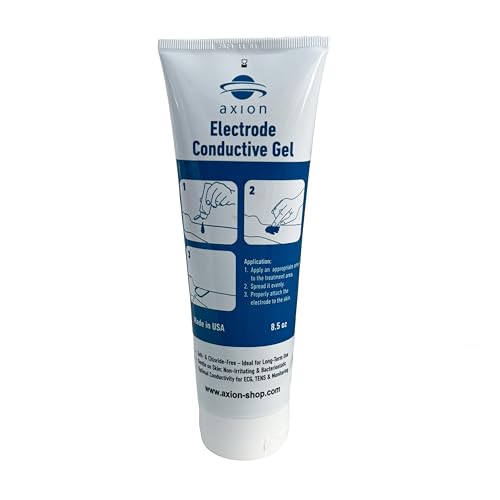
The 8.5 oz container is larger than the individual tubes in the closest-match option, and the maker names TENS pads, ultrasound, microcurrent, muscle stimulators, and ab belts. The maker describes it as hypoallergenic, odorless, and intended to moisturize skin to reduce resistance. Its broad named-use range may suit someone comparing gel for more than one device type.
Unlike the three-tube option, this product is not identified as Spectra 360. The description also ends mid-phrase on its salt-related claim, so check the device maker’s compatibility guidance if formulation requirements matter.
Bottom line: Choose it if the larger container and its named device uses fit your needs.
Balego Multi-Purpose Saline Electrolyte, 60 ml
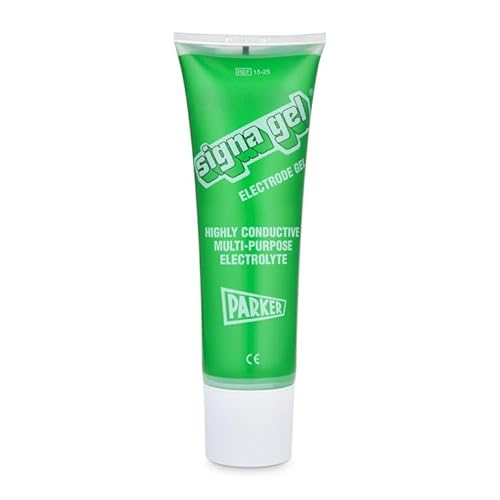
The Balego product is a single 60 ml tube, unlike the three-tube pack or larger bottles among these options. Its name identifies it as a multi-purpose saline electrolyte, so it is a related product rather than an explicitly named Spectra 360 gel. The compact single-tube format may appeal if you prefer one small container.
Confirm compatibility with your electrode or device instructions before choosing it; that matters most when the device calls for a particular coupling medium.
Bottom line: Choose it if a single small tube suits your needs and device guidance allows it.
NEOCARBON Conductive Gel, 250 ml, 2-Pack

The two-bottle format sets this option apart: each bottle contains 250 ml, and the maker names TENS units, Doppler ultrasound devices, microcurrent machines, replacement pads, and other equipment. The maker describes the formula as hypoallergenic and suitable for sensitive skin. This is the clearest choice here for someone seeking two matching bottles and explicitly named compatibility across several device types.
It is a conductive gel alternative, not the named Spectra 360 product. Its container dimensions are provided, but a total package volume is more useful for comparing amounts than the outer dimensions.
Bottom line: Choose it if you want two 250 ml bottles and the named device uses match.
How to choose electrode gel
Start with the device maker’s specified coupling medium, then compare gel type and container amount. Electrode gels create a moist conductive contact between skin and an electrode; ultrasound gels are also conductive but are formulated for an ultrasound transducer, so do not assume every gel suits every device. The products here name TENS, Doppler ultrasound, or microcurrent uses to differing degrees. A measurable decision rule is to choose a product whose named use matches your device; if your device specifies a particular medium, use that specification rather than substituting by package size. Keep gel away from eyes and broken skin, and stop use if irritation occurs.
Pack size and tube formats
Package amount matters most when you want multiple small tubes or fewer larger containers. One US fluid ounce is about 29.6 ml, so a 2 fl oz tube is about 59 ml; a 250 ml bottle is about 8.5 fl oz. The three-tube package therefore offers separate small containers, while the two-bottle option provides a larger amount per container. These amounts are package comparisons, not a measure of how many applications a container provides: the gel needed per use depends on electrode size and device instructions. For a specific device, check its compatibility guidance before selecting a larger container.
| Need | Format to compare | Decision point |
|---|---|---|
| Several small containers | Three 2 oz tubes | Choose if separate tubes suit your routine |
| One larger container | 8.5 oz gel | Check named device compatibility |
| Two larger bottles | Two 250 ml bottles | Compare the total amount and use |
Gel versus saline electrolyte
Electrode gel and saline electrolyte are related conductive media, but product names alone do not establish interchangeability. The three-tube option is explicitly titled electrode gel, while the Balego tube is called a multi-purpose saline electrolyte. The axion and NEOCARBON products explicitly identify conductive gel and name device types. Use the medium specified for your electrode or treatment device; a product described for one device category is not automatically suitable for another. A useful rule is to require an explicit device match whenever the manual calls for a particular coupling medium. Avoid applying gel to damaged skin unless the device’s instructions expressly allow it.
Frequently Asked Questions
Can I use electrode gel with any TENS pads?
No, compatibility depends on the pads and the TENS unit. Choose a gel whose use matches the device guidance, and do not substitute if the manual calls for a specific medium.
How much gel should I apply to an electrode?
Use the amount specified by the device or electrode maker, because the needed amount changes with electrode size and design. A thin, even contact layer is the practical goal; excess gel can spread beyond the electrode area.
Can ultrasound gel replace electrode gel?
Not automatically: ultrasound gel is meant to couple an ultrasound transducer, while electrode gel is used at an electrode-skin interface. Use a substitute only when the device maker identifies it as compatible.
How should I store electrode gel after opening?
Keep the cap closed and store the container as directed by its maker; exposure to air can dry gel. Check the container’s own storage and expiration guidance rather than relying on a universal shelf-life.
Is electrode gel safe on sensitive skin?
Skin response varies, even with products described as hypoallergenic or skin-friendly. Use only as directed, avoid eyes and broken skin, and stop if irritation develops.