
Spray for Mites in House: 5 Options Compared

For mites in the house, choose DustmiteX 32 oz if you want a spray labeled for mattresses, pillows, furniture, and other household surfaces; choose a plant miticide if the mites are on houseplants. The key distinction is where the mites are: fabric and furniture treatments are not interchangeable with sprays intended for plants.
If you need a houseplant treatment, BioAdvanced Houseplant Mite Control 24 oz is specifically labeled for spider mites on plants; Bonide Captain Jack’s Neem Oil 32 oz is a neem oil option for plants. Always follow the product label for application and safety, especially around people, pets, and treated surfaces.
We earn a commission if you buy through links on this page. As an Amazon Associate I earn from qualifying purchases. Products are compared on manufacturer specifications, not hands-on testing.
- Best overall: DustmiteX 32 oz – Names mattresses, pillows, furniture, upholstery, hard surfaces, and pet beds as treatment surfaces.
- Best for houseplants: BioAdvanced Houseplant Mite Control 24 oz – Targets spider mites and directs coverage to new shoots and leaf undersides.
- Best for neem oil: Bonide Captain Jack’s Neem Oil 32 oz – A ready-to-use neem oil spray for indoor and outdoor plants.
| Product | Best for | Target use | Volume | Named mite targets | Shop |
|---|---|---|---|---|---|
| DustmiteX 32 oz | Bedding and furniture | Home surfaces | 32 fl oz | Dust mites | Check Price on Amazon |
| BioAdvanced Houseplant Mite Control 24 oz | Spider mites on plants | Indoor/outdoor houseplants | 24 fl oz | Spider and listed plant mites | Check Price on Amazon |
| Bonide Captain Jack’s Neem Oil 32 oz | Neem oil for plants | Indoor/outdoor plants | 32 fl oz | Spider mites | Check Price on Amazon |
| Mite-B-Gone 16 oz | Multiple mite claims | Home, farm, and animal settings | 16 fl oz | Dust, bird, plant, and other mites | Check Price on Amazon |
| EcoVenger Mite Killer 16 oz | Broad mite targets | Home, plant, and animal settings | 16 fl oz | Dust, bird, spider, and other mites | Check Price on Amazon |
Sprays for Mites in the House
Match the spray to the surface and mite type before choosing a formula.
DustmiteX 32 oz

For household surfaces rather than plants, DustmiteX names mattresses, pillows, fabrics, furniture, upholstery, hard surfaces, and pet beds as intended uses when directions are followed. The 32-ounce bottle is colorless and odorless, according to the specifications. It suits someone looking specifically for a dust-mite spray for bedding or furnishings. The limitation is its target: the product is framed around dust mites, not the broad range of plant and animal mites named by some alternatives. Check surface directions before spraying, especially on fabrics that may need spot testing.
Bottom line: Choose this for dust-mite treatment on bedding or furniture.
BioAdvanced Houseplant Mite Control 24 oz

BioAdvanced is the clearest fit among these options for spider mites on houseplants: it is a ready-to-use plant spray that also targets listed insects and plant diseases. Its label directions call for thorough coverage, especially on new shoots and leaf undersides, and the product says pests must be contacted by the spray. That makes application coverage central to its intended use. Choose it for plant foliage, not mattresses or upholstered furniture; it is a plant-care product rather than a general household fabric spray. Its 24-fluid-ounce bottle is smaller than the 32-ounce home-surface options.
Bottom line: Pick this when mites are on houseplants, not bedding.
Bonide Captain Jack’s Neem Oil 32 oz
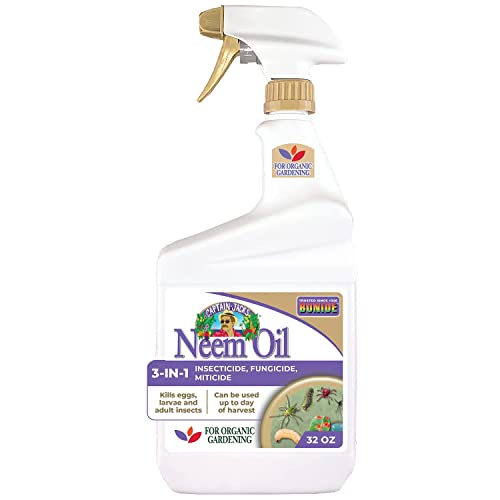
Bonide Captain Jack’s differs from the other plant option by using clarified hydrophobic extract of neem oil in a ready-to-use formula. The product says it works as a fungicide, insecticide, and miticide for indoor and outdoor plants, and names spider mites among its insect targets. It is suited to buyers who want a plant treatment based on neem oil, including for garden plants as well as houseplants. The tradeoff is scope: this is for plants, not a spray named for bedding or furniture, and plant use should follow the label directions.
Bottom line: Choose this for a neem oil plant treatment that includes spider mites.
Mite-B-Gone 16 oz

Mite-B-Gone names a wider mix of settings and mite types than the dedicated dust-mite spray, including bedding, furniture, carpets, chicken coops, cages, and farms, as well as dust, bird, rat, plant, and other mites. Its 16-ounce, plant-based formula is presented for use around homes and animals when used as directed. This makes it a possible match for buyers dealing with a non-plant, non-bedding mite concern.
Bottom line: Consider this when your mite concern spans household or animal settings.
EcoVenger Mite Killer 16 oz

EcoVenger is the other broad-target option, naming dust mites alongside bird, rodent, chigger, and spider mites, including two-spotted spider mites. The product says its plant-powered formula kills mites across eggs, larvae, and adults, and presents use around plants, pets, and the home. It suits buyers whose concern may extend beyond dust mites or houseplant mites. Unlike the plant-specific sprays, it spans several environments, but broad claims do not establish that every surface or animal use is appropriate; check the label for where and how it can be applied.
Bottom line: Pick this for a broad mite target list, after confirming the intended application.
How to choose a mite spray for the house
Start with the surface and the mite, because a plant miticide and a bedding spray have different intended uses. Houseplant spider mites often appear as fine webbing and stippling on leaves; sprays for plants need coverage on leaf undersides and new growth. Dust mites are associated with household fabrics and bedding, so choose a product that names those surfaces. For the four choices here, DustmiteX 32 oz specifically names mattresses and furniture, while BioAdvanced Houseplant Mite Control 24 oz and Bonide Captain Jack’s Neem Oil 32 oz are plant products. A simple decision rule is to choose a plant-labeled formula only when the target is on foliage; for mattresses, pillows, or upholstery, use a formula that names that surface on its label. Do not treat a person or animal with a household spray.
Dust mites and plant mites are different targets
Dust mites live in household dust and fabrics, while spider mites feed on plants; treating one setting does not automatically address the other. Dust-mite control commonly relies on reducing fabric reservoirs: wash bedding weekly in hot water at 130°F when the fabric allows, and keep indoor humidity below 50% to make conditions less favorable. For houseplants, inspect leaf undersides and isolate an infested plant before treating it; contact sprays need to reach the pests. The distinction matters because a spray intended for plant leaves should not be assumed suitable for a mattress, and a fabric spray should not be assumed safe for edible herbs or foliage. Match the product label to the actual target.
Where to apply a household mite spray
Apply a home spray only to the surfaces its label names, and follow any drying or ventilation directions before bedding or furniture is used again. Mattress seams, pillow edges, upholstery folds, and pet beds can collect dust and debris, but spraying should not replace regular laundering and vacuuming. Vacuuming with a HEPA-filter vacuum can reduce settled allergens; washable bedding benefits from weekly hot-water laundering when care labels permit. For a plant treatment, keep application to the intended foliage and avoid drift onto nearby bedding or food surfaces. When a label does not name the surface you need to treat, do not infer permission from a broad claim about home use.
Safety checks before treating mites indoors
Keep people and pets away from wet treated areas and follow the label’s re-entry and ventilation instructions; household sprays are not medicines or treatments for skin conditions. Never apply a plant pesticide to people, pets, or bedding unless the specific label expressly permits that use. For suspected scabies or another human mite condition, contact a clinician rather than using household pest spray. If treating a plant kept near children or pets, move it away during application and until the label permits return. Avoid mixing sprays or using multiple products on the same area at once, since combined exposure and residue behavior are not established by the specifications.
Frequently Asked Questions
How often should I wash bedding for dust mites?
Wash sheets and pillowcases weekly, using water at 130°F when the fabric care label permits. Lower indoor humidity below 50% as another practical dust-mite control measure.
Can I use a plant mite spray on a mattress?
No, unless the product label specifically names mattresses as an approved surface. A plant spray such as a foliage miticide should stay on plants, while household surface products should be used only as their labels direct.
How can I tell whether mites are on a houseplant?
Spider mites commonly leave fine webbing and tiny pale stippling on leaves, especially on undersides. Inspect new growth and isolate a suspect plant before treating it.
Should I spray my home for suspected scabies mites?
No; do not use household insecticide on skin or as treatment for a medical condition. Contact a clinician for suspected scabies, and use household products only on labeled home surfaces.