
Stove Pipe Heat Exchanger: 3 Options Compared

These devices recover heat from a stove pipe, but they are not interchangeable: pipe type, flue temperature, and installation clearances matter.
We earn a commission if you buy through links on this page. As an Amazon Associate I earn from qualifying purchases. Products are compared on manufacturer specifications, not hands-on testing.
- Best overall: HY-C Magic Heat MH-6R – UL-listed, 6-inch single-wall fit and a 225 CFM fan.
- Best for a 100 CFM fan: Miracle Heat MH6 – A compact 6-inch reclaimer with alloy-steel construction.
| Product | Best for | Fits | Fan output | Shop |
|---|---|---|---|---|
| HY-C Magic Heat MH-6R | Single-wall wood stoves | 6-inch single-wall | 225 CFM | Check Price on Amazon |
| Miracle Heat MH6 | 100 CFM circulation | 6-inch | 100 CFM | Check Price on Amazon |
| US Stove Vogelzang HR-6 | Quiet fan operation | 6-inch flue | 130 CFM | Check Price on Amazon |
Stove pipe heat exchangers
Match the flue diameter and connector-pipe type before comparing fan capacity or passive heat-recovery bands.
HY-C Magic Heat MH-6R
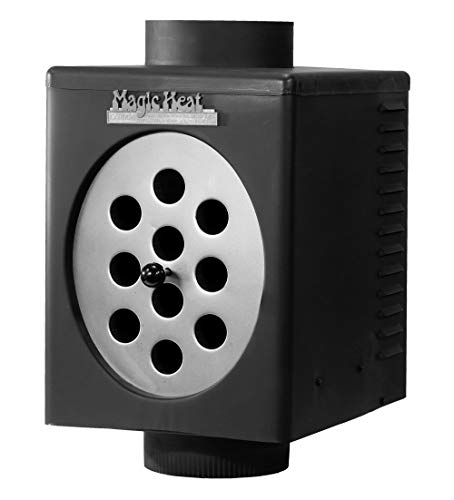
For a 6-inch single-wall connector pipe on a wood-burning appliance, this bottom-crimp reclaimer is the only option here that specifies UL listing. Its 225 CFM fan plugs into a standard 110V outlet, and a built-in soot scraper helps clean the internal tubes. HY-C says it can reclaim up to 30% of heat otherwise lost up the chimney; that figure depends on operating conditions, so do not treat it as guaranteed output.
The model requires single-wall pipe, and the maker’s operating conditions include flue temperatures above 350°F and pipe surface temperatures below the unit above 280°F. It is a poor fit if your connector pipe is double-wall or those temperature conditions do not apply.
Bottom line: Choose this when your setup is 6-inch single-wall pipe and meets the temperature conditions.
Miracle Heat MH6

Miracle Heat MH6 distinguishes itself with alloy-steel construction and a 100 CFM fan in a 6-inch heat reclaimer. The maker says the fan circulates recovered heat and that the design minimizes creosote and soot formation; these are performance claims, not a substitute for regular flue inspection or cleaning. The unit measures 13 by 13 by 13 inches in its product name, while the dimensions give a 15.5-inch length.
The specifications mention wood, coal, gas, and pellet compatibility, but do not establish pipe-wall compatibility or installation clearances. Buyers with a wood or coal stove should confirm those fit requirements before choosing it.
Bottom line: Pick this for a 6-inch setup where a 100 CFM fan and alloy-steel body suit your needs.
US Stove Vogelzang HR-6
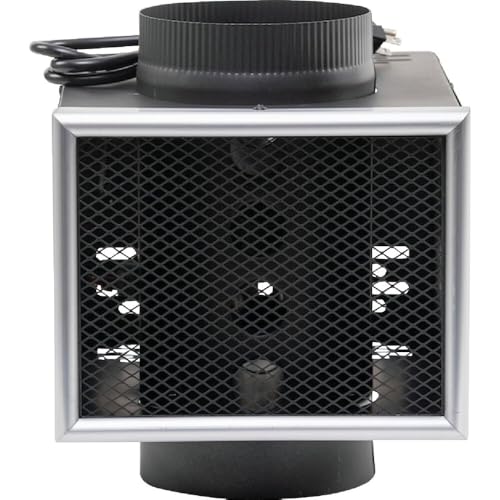
The Vogelzang HR-6 is a 6-inch flue reclaimer with a fully automatic, quiet 130 CFM blower, placing its fan capacity between the 100 CFM and 225 CFM models here. The manufacturer says the unit is fully sealed from flue gases and compatible with wood or coal stoves. Its dimensions are 13 inches high, 11 inches long, and 13 inches wide, with an 11-pound stated weight.
The specifications do not identify the connector pipe wall type or give operating temperature conditions. That makes this a less certain match than a model that explicitly names single-wall pipe requirements; verify compatibility for your installation before selecting it.
Bottom line: Choose this if automatic, quiet 130 CFM circulation is your priority and the flue fit checks out.
How to choose a stove pipe heat exchanger
Start with the flue diameter and pipe construction, then compare powered airflow with passive rings. A 6-inch flue is a common residential connector size, but diameter alone does not confirm a safe match: single-wall and double-wall connectors have different clearances and operating characteristics. For a powered reclaimer, compare the fan rating in cubic feet per minute (CFM); the powered models here range from 100 to 225 CFM. Bands have no fan rating and depend on heat transfer from the pipe surface. A practical rule: if your installation is double-wall, do not choose a unit specified only for single-wall pipe; identify the connector type first.
Choose a reclaimer only where the maker’s fit and temperature conditions match your stove setup. A blower moves room air across heated surfaces; a passive ring does not.
Powered reclaimers versus passive bands
Powered reclaimers use a fan to circulate air across heat-exchange surfaces, while slip-on bands add conductive surface area around the pipe without a fan. The distinction matters: CFM describes airflow, not the percentage of heat recovered, and a fan rating alone cannot establish how much room heat a unit will deliver. The powered models range from 100 to 225 CFM; only HY-C gives a recovery claim, up to 30%, and labels its unit UL listed.
This table separates the formats by what their specifications support.
| Format | What it provides | Check before choosing |
|---|---|---|
| Powered reclaimer | Fan-driven circulation; 100–225 CFM among these options | Flue size, pipe wall type, electrical connection and temperature conditions |
| Passive bands | Six slip-on rings, no fan rating | Diameter and circumference fit; appliance suitability |
Flue fit and operating temperature
A 6-inch connector must match a 6-inch reclaimer or ring set, but the pipe’s wall type is just as important. HY-C specifies single-wall connector pipe and operating conditions above 350°F flue temperature and below 280°F surface temperature on the pipe beneath the reclaimer. Those thresholds are model-specific, not universal targets for every stovepipe device. Confirm your connector type and measure the pipe temperature only with an appropriate surface thermometer; do not use touch as a temperature check.
Maintain the stove and chimney according to their manuals and local fire-code requirements. Heat-recovery accessories do not remove the need for correctly installed clearances or regular chimney inspection.
Cleaning and safe operation
Wood smoke can form creosote as it cools in the flue, and deposits can ignite in a chimney fire. A heat exchanger does not eliminate that hazard, even when a maker claims reduced soot formation. Inspect the connector and chimney regularly, and arrange professional cleaning when deposits or use conditions warrant it; the MH6 manufacturer specifically calls for cleaning the unit every three months.
Keep combustible materials at the clearances required for your stove and connector, and never obstruct a flue or modify a venting system to force a heat exchanger to fit. Choose a component where the appliance instructions or local requirements call for one, and have uncertain venting compatibility checked by a qualified chimney professional.
Frequently Asked Questions
How often should a stove pipe heat reclaimer be cleaned?
The Miracle Heat manufacturer calls for cleaning its MH6 every three months. Creosote deposits and chimney condition also depend on fuel, firing habits, and flue temperature, so inspect the entire venting system regularly rather than relying only on an accessory cleaning interval.
Does a heat exchanger replace chimney cleaning?
No, a heat exchanger does not replace chimney inspection or cleaning. Creosote is combustible, and any buildup in the venting system can create a chimney-fire hazard; inspect regularly and address deposits promptly.
Can a 6-inch heat reclaimer fit double-wall pipe?
A 6-inch diameter does not establish double-wall compatibility. HY-C specifies single-wall connector pipe, so verify wall-type compatibility for any other model before installation.
What does a 130 CFM blower rating mean?
CFM means cubic feet per minute, the volume of air a blower moves. A 130 CFM rating describes airflow, not a guaranteed amount or percentage of heat recovered.
Are stovepipe heat bands as effective as a fan reclaimer?
Bands and fan reclaimers work differently: bands add passive conductive surface, while reclaimers use a blower to move room air across heated surfaces. The band sets here provide no CFM or heat-recovery rating, so their output cannot be directly compared with the powered models.